



Spark Plugs
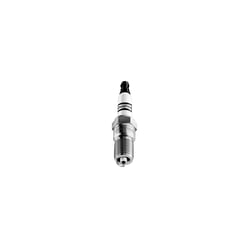

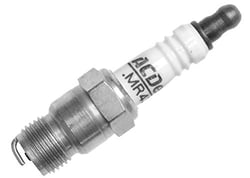

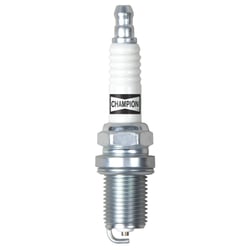
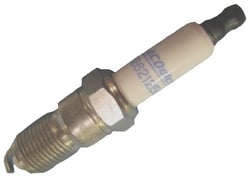
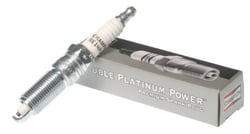
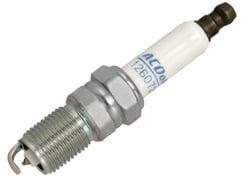
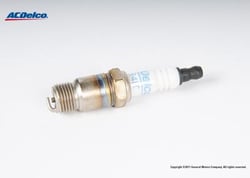
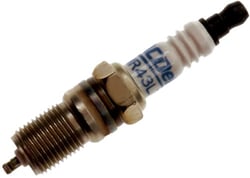
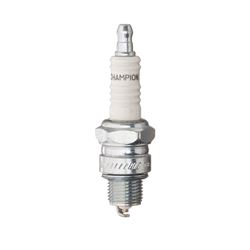
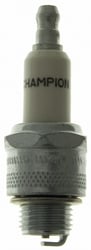
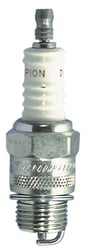
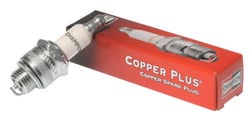
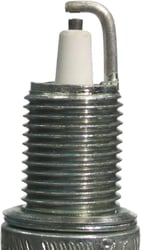
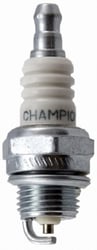
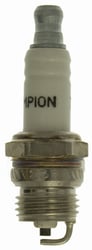
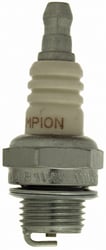
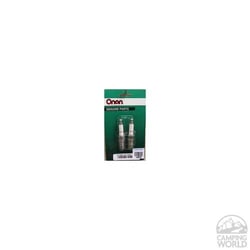
 Representative Photo, actual item may vary

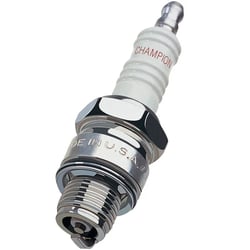
Why Spark Plugs Matter for RV & Marine Engines
Spark plugs may be small, but they are one of the most critical components in any gasoline-powered engine. Every time you turn the key, your spark plugs fire thousands of times per minute — sending a precisely timed electrical arc across the electrode gap to ignite the compressed air-fuel mixture in each cylinder. That controlled combustion is what drives the pistons and ultimately turns your propeller or powers your RV's onboard generator. Without healthy spark plugs, none of it happens reliably.
The Unique Demands of Marine and RV Environments
Marine and RV engines face operating conditions that are far more demanding than a typical passenger car. Boat engines are routinely run at wide-open throttle for extended periods, placing far greater stress on ignition components than a daily commuter ever encounters. Add in constant exposure to salt spray, humidity, and high vibration, and it becomes clear why selecting the right plug matters so much. Spark plugs used in marine applications need to handle sustained heat and resist corrosion — qualities that standard automotive plugs may not reliably deliver.
RV generator engines present their own challenges: they cycle on and off repeatedly under varying electrical loads, demand consistent ignition performance, and often sit idle for months between uses. Using the correct OEM-specified plug prevents hard starts, misfires, and unplanned shutdowns — all critical when you're miles from the nearest service center.
What to Look For When Buying
- Engine compatibility: Thread size, reach, and electrode configuration must match your engine's specifications exactly. Always consult your owner's manual or the spec label on the engine itself.
- Heat range: A plug that runs too cold will foul with deposits at low RPM; one that runs too hot risks pre-ignition at wide-open throttle. The heat range must be matched to your engine's operating profile.
- Electrode material: Copper plugs are economical and perform well but wear faster in harsh marine environments. Platinum and iridium plugs offer extended service life and better resistance to corrosion and fouling.
- Plug gap: Most modern plugs come pre-gapped, but verifying the gap before installation ensures optimal ignition efficiency from the first start.
- Replacement interval: As a general rule, two-stroke outboard plugs benefit from replacement around every 100 hours, while four-stroke plugs can last 200–300 hours or more with premium materials. Generator plugs should be changed on the schedule outlined in your service manual.
Inspecting Your Spark Plugs
Your spark plugs are also a diagnostic tool. A light tan or gray firing tip indicates healthy combustion. Black, sooty deposits point to a rich mixture or excessive idling; white or blistered ceramic suggests the plug is running too hot. Catching these signs early can prevent minor tuning issues from becoming major engine problems.
Top Brands for RV & Marine Spark Plugs
For OEM-correct fitment, Genuine spark plugs are the straightforward choice — sourced directly from the original equipment manufacturer to match your engine's exact specifications. When your engine calls for a specific plug by part number, a genuine OEM replacement eliminates any guesswork about compatibility.
Owners of Cummins-powered RV generators will want to look at Cummins (Onan Generators) spark plugs, which are the factory-specified ignition components for the popular Onan generator lineup found in countless motorhomes and fifth-wheels. Using the correct Onan plug helps ensure reliable starts and prevents unexpected generator shutdowns under load.