



Temperature & Pressure/Alarms/Switches


Why Marine Engine Temperature & Pressure Alarms Matter
Out on the water, you can't afford to keep your eyes glued to a gauge panel every second. Engine temperature and pressure alarms and switches serve as your boat or RV engine's first line of defense — automatically alerting you the moment something goes dangerously wrong. Whether it's a coolant system overheating or a sudden drop in oil pressure, these components can be the difference between a minor inconvenience and a catastrophic engine failure.
As valuable as engine instruments may be, it's impossible to monitor them continuously while operating a vessel safely. Engine alarms — including coolant and exhaust temperature and oil pressure — fill that critical gap. A well-chosen alarm system gives you the reaction time you need to shut down safely or seek assistance before irreversible damage occurs.
Understanding How These Systems Work
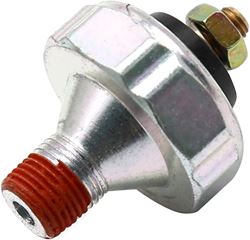
Temperature and pressure switches are threaded sensors installed directly into your engine block or coolant passages. Most alarm switches are normally open and close to ground when too hot, triggering the alarm. Oil pressure switches work on the same principle in reverse — they remain closed under normal pressure and open (triggering the alarm) if pressure drops below a safe threshold.
Typically, at the very least, these systems include high coolant temperature and low oil pressure annunciators. The coolant temperature alarm threshold varies by engine but is typically around 220°F, while oil pressure alarm set points can be as low as 8 PSI. Knowing these thresholds for your specific engine is critical when selecting replacement switches or full warning kits.
Loss of oil pressure affords the operator no time to spare — ignoring the alarm for more than a few seconds can allow damage to occur, and continued operation may result in engine seizure. This is precisely why a reliable, properly functioning alarm switch is so essential aboard any vessel.
What to Look for When Shopping
- Thread size and fitment: Temperature and pressure switches must thread precisely into your engine's ports — always cross-reference part numbers with your engine's service manual.
- Activation threshold: Make sure the switch activates at the correct temperature or PSI for your engine model.
- Marine-grade construction: Switches used in the marine environment must withstand constant vibration, moisture, and saltwater exposure.
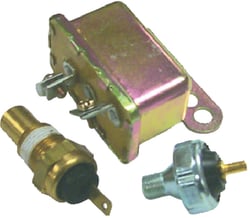
- Kit vs. individual switch: Warning kits that bundle an oil pressure switch, temperature switch, and buzzer provide a complete, easy-to-install solution for boats lacking a factory alarm system.
Top Brands in Marine Engine Alarms & Switches
Sierra is one of the most respected names in marine engine components. For over 50 years, Sierra has been offering high-quality engine and drive parts, with products engineered to meet or exceed the original equipment part they replace and to withstand the harsh marine environment. Their Oil Pressure & Temperature Warning Kits — which feature a loud warning buzzer that alerts the operator of dangerously high engine temperatures or low engine oil pressure — are a popular choice for boaters adding or upgrading an alarm system.
Quicksilver brings OEM-level precision to temperature and pressure switches, making them an ideal choice for Mercury Marine and MerCruiser-powered vessels. The Quicksilver brand is the leader in delivering uncompromising engine oils, parts, and accessories to the marine industry for over 65 years, serving as the premier supplier of Mercury Marine original equipment replacement engine parts and accessories across marine and powersports industries.