



Gauges
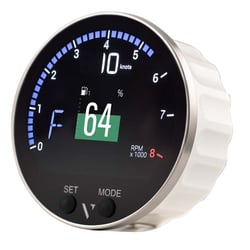
VDO Gauges B00085501 Veratron 85mm VMH-35 Multifunction Marine Gauge NMEA 2000




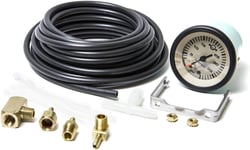
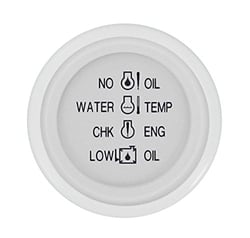
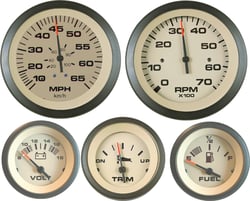


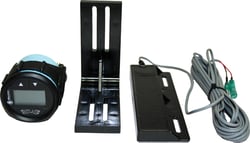
T-H Marine FAGK2DP Atlas Digital Position Gauge Kit for 6" 10" 12" 14" Jack Plates

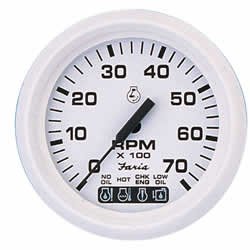
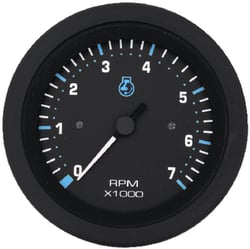
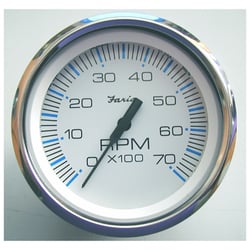
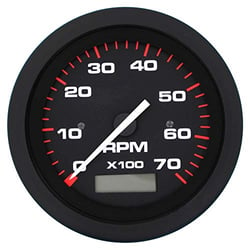
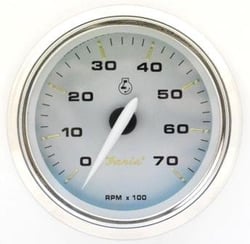
Faria Instruments 33150 Dress White 4" Tachometer 7000 RPM with SystemCheck Gas Johnson/Evinrude
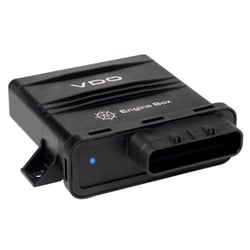
VDO Gauges A2C1767000001 Veratron EngineBox Dual Engine NMEA 2000 Gateway
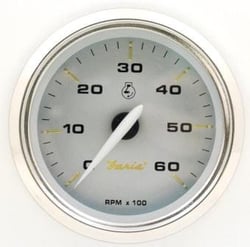
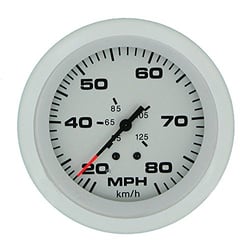
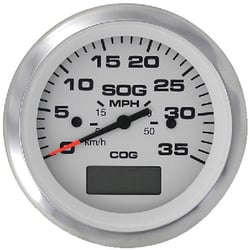
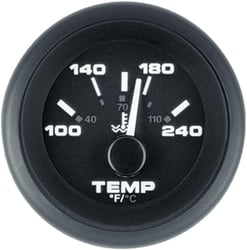
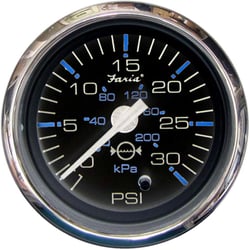
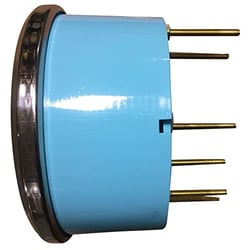
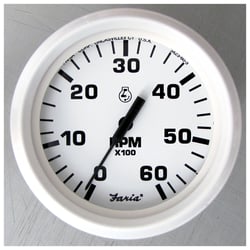
Faria Instruments 33103 Dress White Tachometer RPM Gas Inboard I/O Gauges - 4 6000
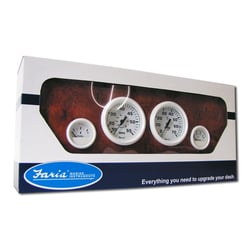
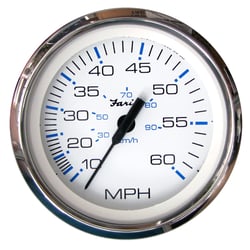
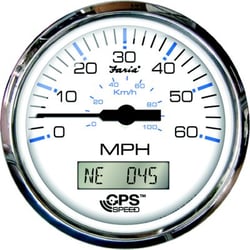
Faria Instruments F33826 Chesapeake SS White 4" GPS Speedometer with Compass LCD Display
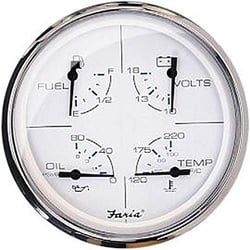
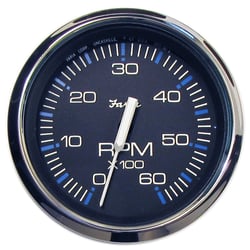
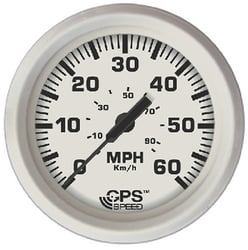
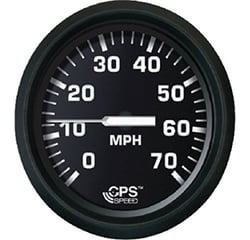
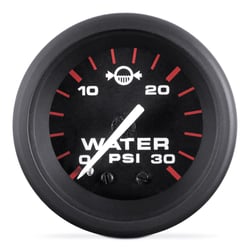
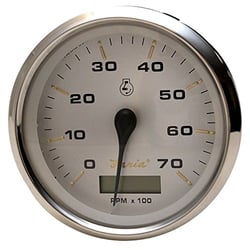
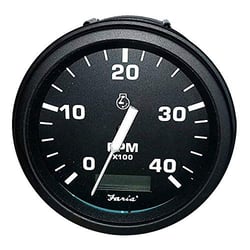
 Representative Photo, actual item may vary
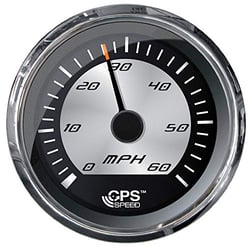
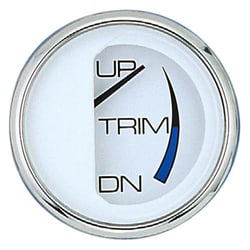
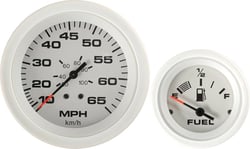
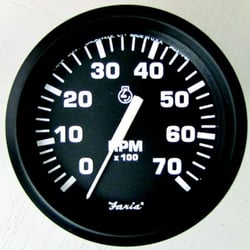
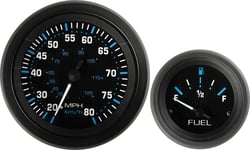
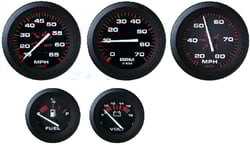
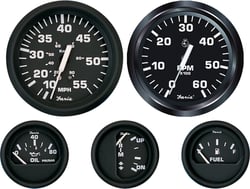
Sierra 69722P Amega Series 4-Gauge Set with Tachometer Voltmeter Oil Pressure Water Temp
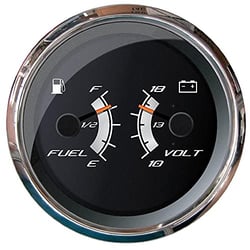
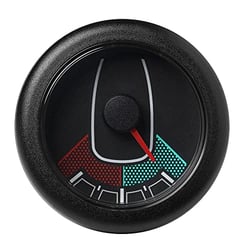
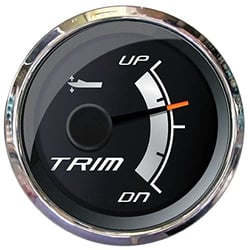
Faria Instruments 22019 Platinum 2" Trim Gauge Mercury Mariner Mercruiser Volvo Yamaha
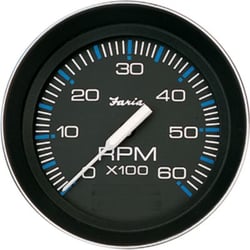

Faria Instruments 13809 Chesapeake White SS 2" Trim Gauge for Johnson Evinrude Suzuki
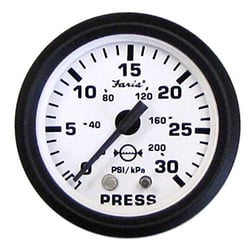
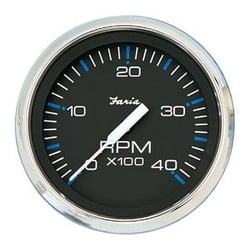
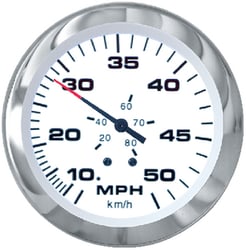
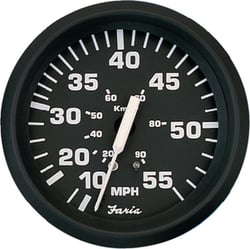
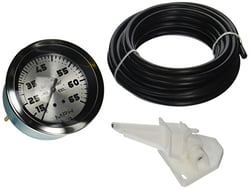
Seastar Solutions 63475P 3" Sterling Marine Speedometer Kit 10-65 MPH with Pitot Tube

 Representative Photo, actual item may vary
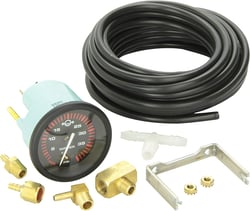
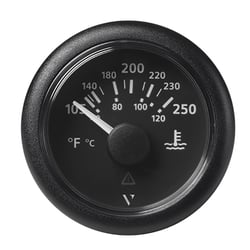
VDO Gauges A2C59514176 ViewLine 2-1/16" Water Temperature Gauge 100-250°F Black
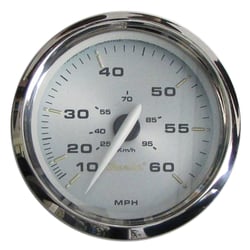
Faria Instruments 39009 Kronos 4-Inch Marine Speedometer 60 MPH Mechanical Pitot
Why Engine Gauges Matter on the Water and the Road
Whether you're navigating open water on a cruiser or rolling down the highway in a motorhome, your engine gauges are your first line of defense against catastrophic mechanical failure. These instruments give operators real-time visibility into the critical systems running beneath the helm or dashboard — oil pressure, coolant temperature, fuel level, tachometer readings, voltmeter output, and more. Without accurate gauges, a minor issue like a cooling system hiccup or a gradual oil pressure drop can go unnoticed until it becomes a very expensive engine rebuild.
Marine and RV applications demand gauges that go well beyond what you'd find in a standard passenger vehicle. Saltwater environments, constant vibration from engine mounts, UV exposure on open-air dashboards, and the wide temperature swings experienced during long trips all place unique stress on instrumentation. That's why purpose-built gauges for boats and recreational vehicles are engineered with sealed housings, corrosion-resistant materials, and illumination systems suited for both bright daylight on the water and low-light cabin conditions at night.
What to Look for When Shopping Marine & RV Gauges
- Sender Compatibility: Gauges must be matched to the correct sending units for your engine. Mismatched resistance ranges between a gauge and its sender will produce inaccurate readings.
- Dial Size: Common sizes range from 2" to 3-3/8" in diameter. Measure your dash cutouts before ordering.
- Backlighting: Look for gauges with adjustable illumination for safe night operation on the water or during evening drives.
- Waterproof Rating: For marine use, prioritize gauges rated for direct spray or submersion, particularly for helm consoles exposed to the elements.
- Style & Series Matching: Mixing gauge series can create a mismatched dashboard. Many brands offer coordinated collections so all your instruments share a unified look.
Top Brands in Marine & RV Engine Gauges
Sierra International is the dominant name in this category, offering one of the broadest selections of marine gauges available. Sierra's instruments are engineered to meet or exceed OEM specifications for most major marine engine brands, making them a go-to replacement choice for boaters seeking reliable, drop-in solutions.
Faria Instruments has built a decades-long reputation for premium marine instrumentation, blending accurate performance with distinctive styling. Their gauge collections — from classic chrome bezels to sleek carbon-fiber-look faces — are a popular choice when aesthetics and accuracy both matter.
VDO Gauges brings a heritage rooted in precision measurement to the marine and RV space. Known across automotive and motorsport circles for their robust construction and dependable accuracy, VDO gauges translate that engineering pedigree into durable instruments well-suited to demanding environments.
Longacre Racing Products may be best known on the track, but their gauges bring race-proven precision to performance marine and RV applications. Longacre's instruments are built for readability and durability under high-stress conditions — ideal for performance boats and hard-working engines.
Seastar Solutions rounds out the top brands with a focused selection of marine gauges designed to integrate seamlessly with their broader range of boat steering and control systems. Their instrumentation is a natural fit for boaters already building out a Seastar helm setup.
With over 276 products across these and other trusted brands, finding the right gauge for your boat or RV is straightforward. Whether you need a single replacement tachometer or a full matching set of instruments for a dashboard refit, this category has you covered.