



Trim


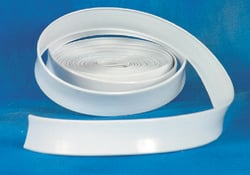
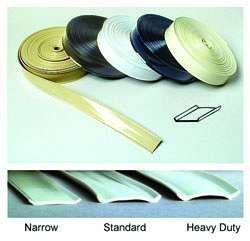
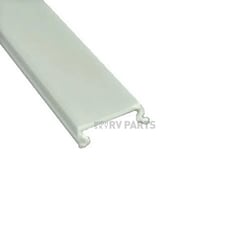
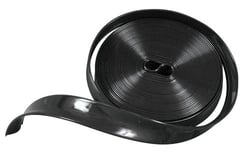

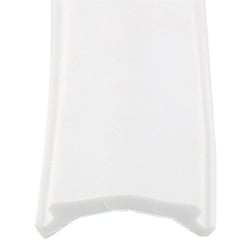
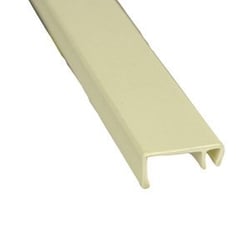
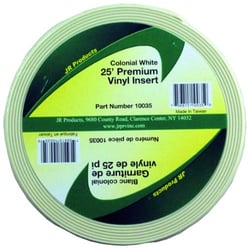

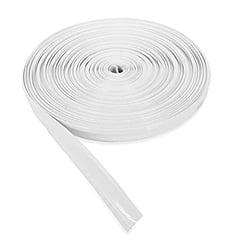
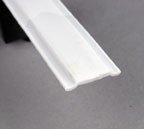
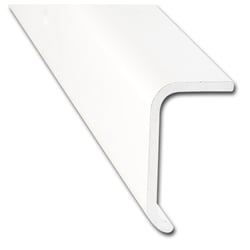
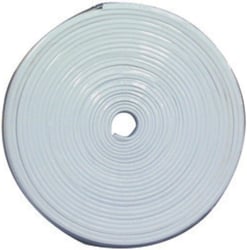
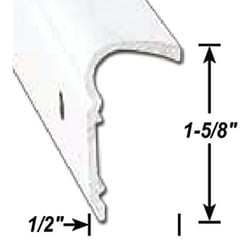
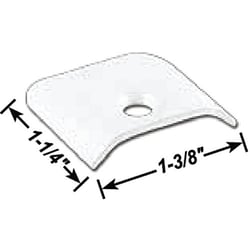
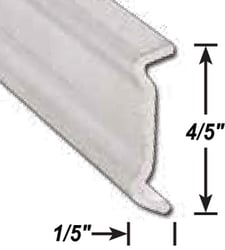
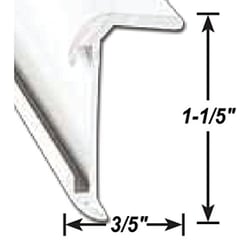
What Is RV & Marine Trim Hardware?
Trim hardware is one of the most underappreciated categories in RV and marine maintenance — yet it performs some of the most critical work on your rig or vessel. RV and marine trim refers to the collection of moldings, rails, inserts, and extrusions that run along the seams, edges, corners, and rooflines of recreational vehicles, trailers, and boats. Far from being purely cosmetic, these components form a frontline defense against water intrusion, UV damage, and structural deterioration.
Why Trim Matters for Your RV or Boat
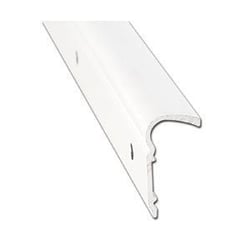
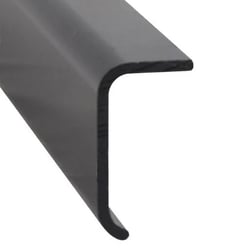
Trim hardware serves a dual purpose: it protects and it polishes. On an RV, trim molding seals the transitions between exterior wall panels, keeping moisture from working its way into the structure. As one key function, gutter rails direct rainwater away from the sides of the RV, preventing the water streaks and long-term panel damage that come from unchecked runoff. Corner molding, with its characteristic L-shape profile, fortifies the vulnerable junctions where panels meet, providing both structural integrity and weather resistance at the same time.
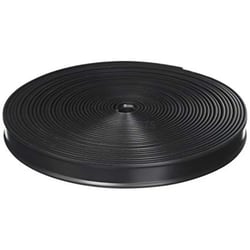
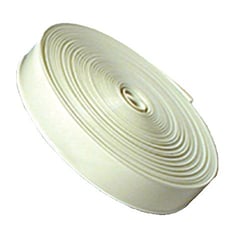
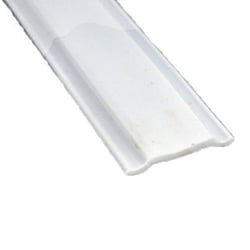
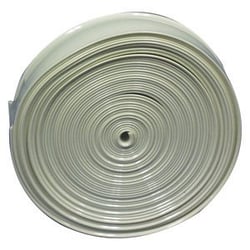
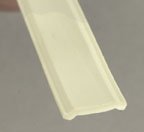
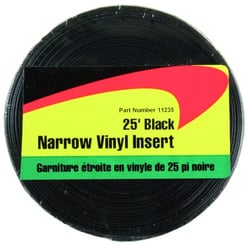
Awning rails play their own essential role — featuring a channel that holds the awning fabric securely, allowing smooth extension and retraction every time you set up camp. Vinyl insert trim (also called screw track cover) snaps into the screw channels used to join exterior wall sections, concealing fasteners from the elements and giving the exterior a clean, finished appearance. Without proper trim, exposed screws quickly become entry points for moisture and rust.
On the marine side, trim molding serves equally important roles. Boat edge trim, window channels, and rub rails protect fiberglass and aluminum hulls from impact, channeling wear away from the structure itself. Materials like stainless steel, anodized aluminum, and UV-resistant vinyl are specifically chosen for the demanding saltwater and freshwater marine environment.
Types of RV & Marine Trim Hardware
- Flat Trim Molding: Applied along exterior panel seams and transitions to seal against water intrusion at rooflines and sidewalls.
- Corner Molding: L-shaped extrusions that seal and reinforce panel edges, roof corners, and wall junctions.
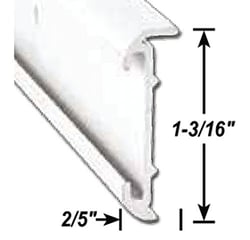
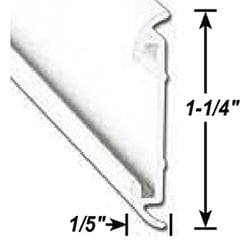
- Gutter Rails / Drip Rails: Channel rainwater away from sidewalls to prevent streaking and moisture damage.
- Awning Rails: Provide a secure mounting channel for patio, slide-out, and window awnings.
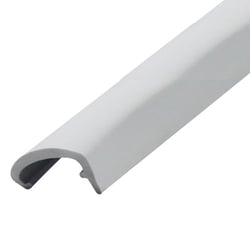
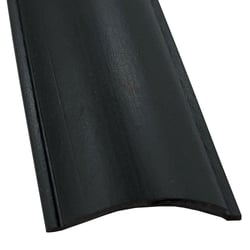
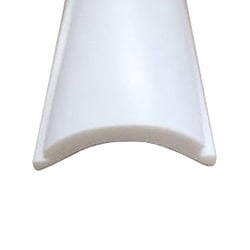
- Vinyl Insert Trim / Screw Covers: Flexible strips that snap into screw track channels to conceal fasteners and block moisture.
- Boat Edge Trim & Rub Rail: Protective extrusions along hull edges that absorb dock contact and shield gel coat from chipping.
- Window Channel Trim: Weatherstrip profiles that frame windows for a sealed, finished look on both RVs and boats.
Key Considerations When Shopping for Trim
Material choice is everything in this category. Aluminum trim is corrosion-resistant, lightweight, and durable — making it one of the most popular choices for both RV and marine applications. It can be finished in mill, anodized, white, or black to complement virtually any exterior. Vinyl and rubber inserts offer flexibility for tight curves and screw channels, but quality varies significantly; UV-resistant formulations hold up far better over time than standard PVC, which can crack and discolor after repeated sun and temperature exposure.
When replacing trim, always measure your existing screw track or channel width carefully before ordering — profiles are not universal across manufacturers. Also consider whether your molding requires a separate vinyl insert or is a non-insert (solid) design. Replacing worn or cracked trim promptly is critical: once trim moldings begin to fail, moisture can work into panel edges and ceiling joints, leading to repairs far more costly than the trim itself.