



VHF Commercial Duty Antennas
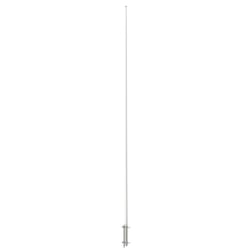

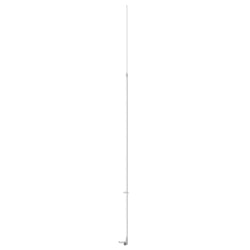
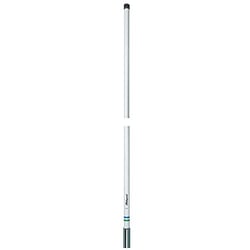
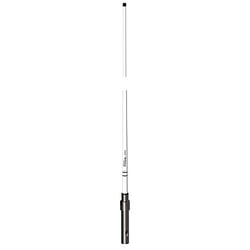
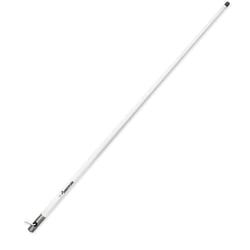
Shakespeare Antennas HS-2774-1-R 6'5" VHF Broadband Antenna 136-174 MHz with 20ft Cable
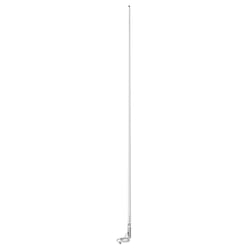
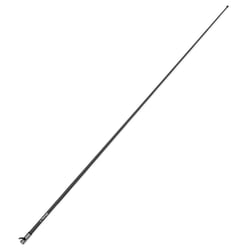
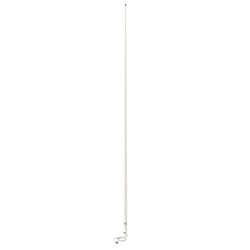
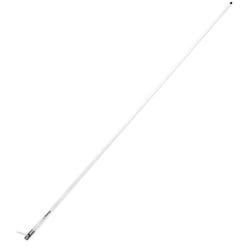

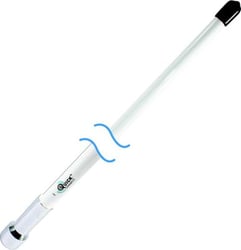
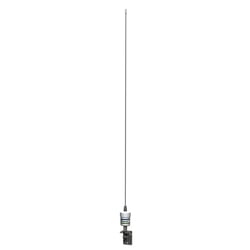

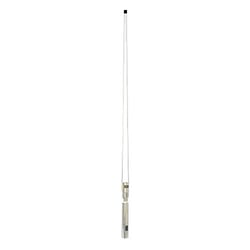

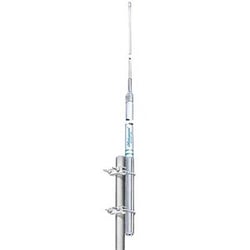
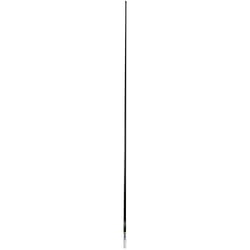
Scout PF AN NVHF00042T 8' QuickFit Marine VHF Antenna 6dB Black with 5M Cable

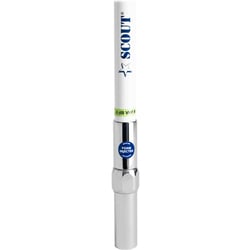
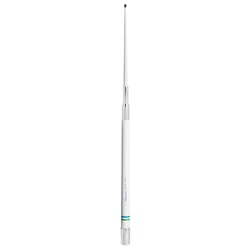
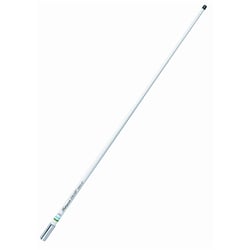
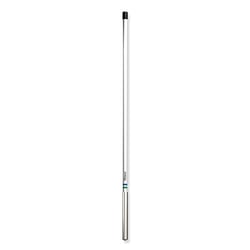
Scout PF AN NVHF00040T 8' QuickFit White Marine VHF Antenna 6dB Gain with 5M Cable
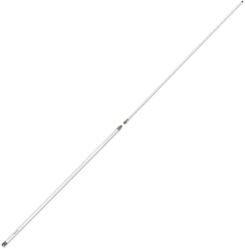
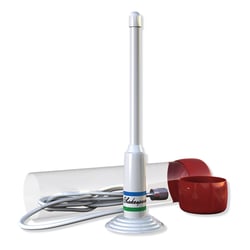



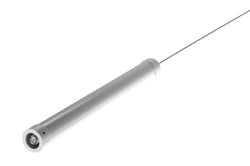
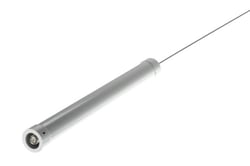
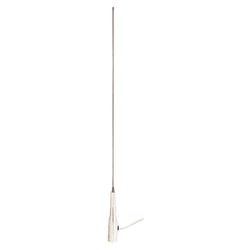
Shakespeare Antennas 5215-C-X 3' Stainless Steel VHF Sailboat Masthead Antenna with 60' Cable

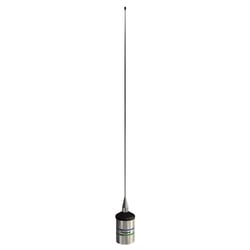
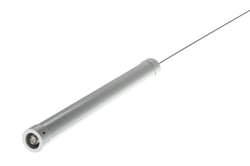
What Are VHF Commercial Duty Marine Antennas?
VHF (Very High Frequency) commercial duty marine antennas are the critical link between your vessel's radio and the outside world. These heavy-built antennas operate across the 156–162 MHz maritime band, enabling communication with other boats, harbor authorities, the Coast Guard, and shore stations. Unlike recreational-grade models, commercial duty antennas are engineered to withstand the most punishing marine environments — from salt spray and UV exposure to constant vibration, extreme winds, and rough-sea pounding — often across decades of service rather than seasons.
Understanding what sets commercial duty antennas apart starts with how VHF signals travel. VHF radio operates on a line-of-sight principle: signals travel essentially in a straight line and do not bend significantly over the horizon. This means antenna height, gain, and signal efficiency are everything. A taller antenna mounted higher on the vessel sees farther over the earth's curve, while higher gain focuses radiated energy closer to the horizon — maximizing usable range for ship-to-ship and ship-to-shore communication. For a working vessel, this isn't a convenience feature; it's a safety imperative.
Key Factors When Choosing a Commercial Duty VHF Antenna
- Gain (dBi): Measured in decibels, gain describes how effectively the antenna focuses its radiated energy. A 6 dB gain antenna delivers quadruple the apparent power of a 3 dB unit, while 9–10 dB antennas are suited to large, stable vessels where beam-thinning won't cause signal loss during vessel roll.
- Construction Materials: Commercial duty antennas typically use stainless steel, anodized aluminum, or heavy-duty fiberglass tubes with brass or copper radiating elements — all significantly more corrosion-resistant than entry-level alternatives.
- SWR (Standing Wave Ratio): A lower SWR means less signal is reflected back into your radio and more is actually transmitted. Look for antennas rated at or below the industry standard of 1.5:1.
- Foam-Fill & Sealed Construction: Foam-filled antennas prevent internal condensation from corroding radiating elements — a critical feature for long-term reliability in harsh saltwater environments.
- Connector Quality: Stainless steel or chrome-brass ferrules and high-grade coaxial connections minimize signal loss and resist corrosion far better than plastic or standard hardware.
Top Brands in VHF Commercial Duty Antennas
Shakespeare Antennas is the dominant name in commercial and recreational marine VHF antennas. Their lineup — spanning the Classic, Galaxy, and flagship Phase III series — covers everything from small powerboats to large commercial vessels. The Phase III series is particularly renowned for its foam-filled construction, silver-plated elements, and aircraft-grade protective coatings built to handle high speeds and high winds.
Digital Antenna is known for precision fit, finish, and American manufacturing quality. Their antennas feature a custom RG-8X coaxial cable with an added foil shielding layer beneath the tin shield, providing superior resistance to signal interference — a standout feature for boaters who demand impeccable signal integrity.
Comrod is a Norwegian manufacturer with roots dating back to the early 1960s, supplying commercial shipping worldwide with marine antennas engineered for some of the most hostile environments on earth. Their VHF antennas are fully foam-filled internally and feature a distinctive no-twist BNC cable connection system, making installation and removal simple without cable tangling — especially valuable on longer coax runs.
Morad builds entirely USA-made VHF antennas using stainless steel and anodized aluminum alloys that are rated to surpass military specifications. Their HD-series antennas boast an exceptional SWR of 1.15:1 — well below the industry standard — and have a proven track record with the US Coast Guard and commercial fishing fleets across the Pacific Northwest.
Scout rounds out the category with a broad selection of fiberglass VHF antennas suited to a wide range of vessel types and mounting configurations, offering boaters reliable performance across many gain levels and form factors.
Why Your Antenna Is as Important as Your Radio
Even the most powerful marine VHF radio is only as effective as the antenna connected to it. A well-matched, properly installed commercial duty antenna ensures that every watt your transmitter generates is radiated efficiently, giving you the greatest possible range for safety calls, weather monitoring on NOAA channels, and routine communications on Channel 16 and beyond. For working vessels, fishing boats, and serious cruisers, investing in a commercial duty antenna isn't an upgrade — it's the baseline.