



Voltage Regulators
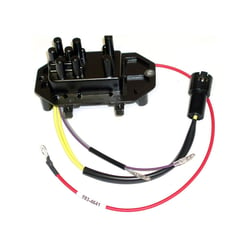

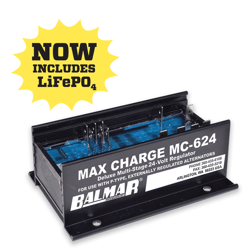


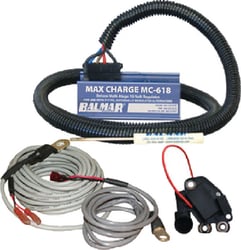
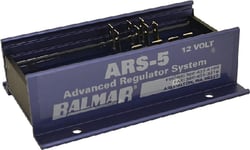
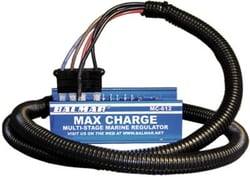
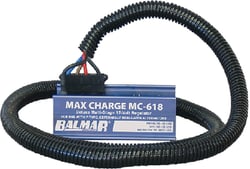
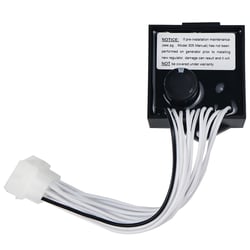
Balmar MC618VL01 Max Charge MC-618 Voltage Regulator with Temperature Sensor 12V
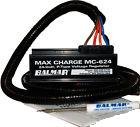
 Representative Photo, actual item may vary
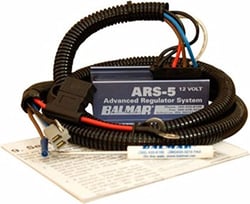
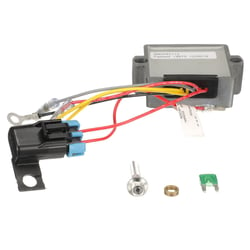

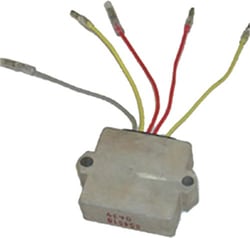
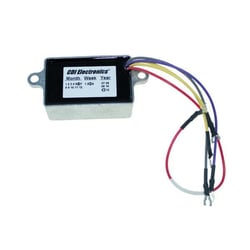
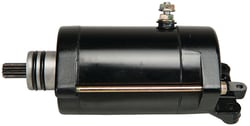
CDI Electronics 197-0004 Voltage Regulator for Yamaha 3-Cylinder 40-70 HP Outboards
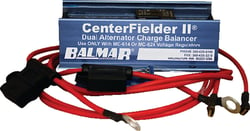
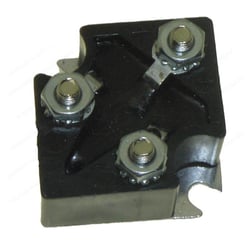
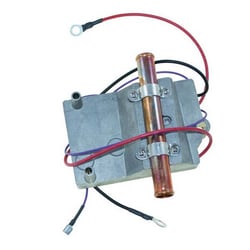
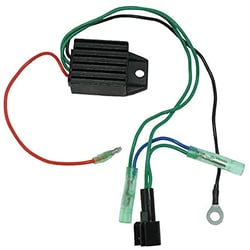
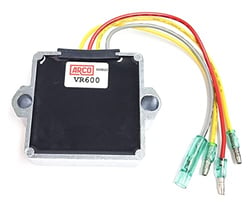
Engineered Marine Products 300-01404 Marine Voltage Rectifier for Mercury Outboard Engines

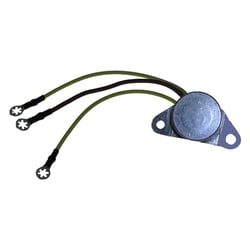
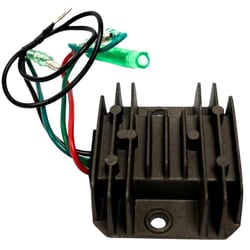

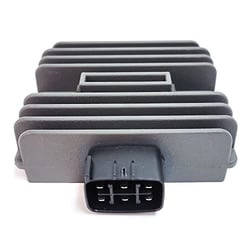
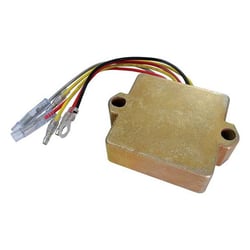
Engineered Marine Products 300-76382 Rectifier/Regulator for Mercury Mariner Outboards
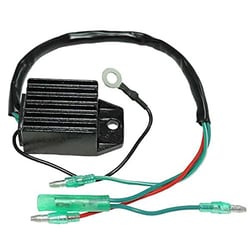
CDI Electronics 197-0003 Voltage Regulator for Yamaha 3-Cylinder 40-70HP Outboards
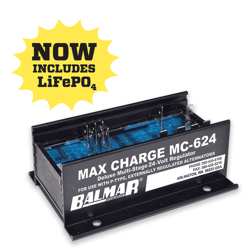

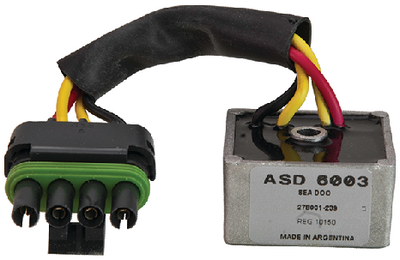 Representative Photo, actual item may vary
 Representative Photo, actual item may vary
- 1
- 2
What Is a Voltage Regulator and Why Does It Matter?
Voltage regulators are one of the most critical — and most overlooked — components in any marine or RV engine's electrical system. Voltage regulators sit between your alternator or stator and your battery, controlling how much current flows to the battery and ensuring it receives a safe, steady charge. Without a properly functioning regulator, your charging system can swing wildly between overcharging and undercharging, both of which take a serious toll on battery life and connected electronics.
In outboard and inboard marine engines, the voltage regulator takes the output from the stator or alternator and regulates it to a safe level — typically around 13.6 to 14.3 volts — before it reaches the battery. On newer designs, a combined regulator-rectifier unit also converts AC power from the stator to the DC power your battery and onboard electronics need.
Why Marine and RV Applications Demand More
Marine and RV electrical systems face challenges that typical automotive setups don't. Modern boats and motorhomes carry significantly larger battery banks powering navigation systems, bilge pumps, refrigerators, stereos, fish finders, and more. A stock or failing regulator that delivers only a single fixed voltage setting may not be capable of handling the demands of deep-cycle or lithium battery chemistries — leading to chronic undercharging or, worse, battery damage from overvoltage spikes.
Regulators in marine environments also endure harsh conditions: constant vibration, wide temperature swings, humidity, and saltwater exposure. Because of its position in the ignition charging circuit, a regulator that fails doesn't just drain your battery — it can take the stator or alternator down with it. Choosing a quality replacement is an investment in the health of your entire charging system.
What to Look for When Shopping for a Voltage Regulator
- Compatibility: Always match the regulator to your engine's make, model year, and charging system amperage. Most regulators are engine-specific.
- Battery chemistry: Lead-acid, AGM, gel cell, and lithium-ion batteries all have different optimal charging profiles. Make sure your regulator supports your battery type.
- Heat management: Heat is the primary cause of regulator failure. Look for units with efficient heat dissipation, whether through aluminum housings, MOSFET technology, or active cooling designs.
- OEM vs. aftermarket: Quality aftermarket regulators often meet or exceed OEM specifications while offering improved materials and broader compatibility.
Top Brands in Marine & RV Voltage Regulators
CDI Electronics is one of the most trusted names in marine ignition and charging components. Their voltage regulators and regulated rectifiers are engineered specifically for Mercury, Mariner, Johnson, Evinrude, and Yamaha outboard engines, with products spanning decades of model years and a wide range of charging system amperage ratings. CDI builds their components to perform in the demanding conditions of marine use, using quality materials designed to withstand the corrosive marine environment.
RMStator brings an engineering-focused approach to powersports and marine voltage regulation. Their flagship REVOLT line tackles the root cause of most regulator failures by redesigning the rectifier side of the unit — the component responsible for the vast majority of field failures in powersports charging systems. RMStator also offers MOSFET-technology regulators purpose-built for lithium-ion battery systems, as well as their SPLYT dual-output system that distributes charging load across two regulators for dramatically improved thermal management and longevity. All REVOLT regulators are manufactured in North America and backed by a limited lifetime warranty.