



Wakeboard Ballast Pumps



What Are Wakeboard Ballast Pumps?
Wakeboard ballast pumps are the workhorse of any serious wake sports setup. Their job is straightforward but essential: rapidly move water into and out of ballast bags or tanks aboard your tow boat. Wakeboard ballast pumps are what transform a slow, manual chore into a push-button process, letting you focus on the water instead of the prep work.
To understand why the pump matters, it helps to understand what ballast does. Wakeboard ballast is the storage of mass within a boat to displace the hull deeper in the water, which in turn changes both the wake size and shape. Ballast bags can add up to 1,000 pounds of water weight, and the placement of that weight — front, rear, port, or starboard — directly determines whether your wake is tall and steep or long and smooth. The pump is what makes all of that weight adjustable on the fly.
Types of Wakeboard Ballast Pumps
There are two primary pump technologies used in wake boat ballast systems, each with distinct advantages:
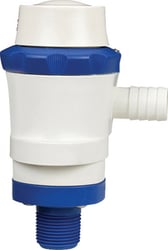
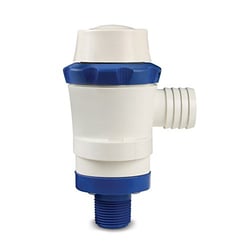
- Aerator (Livewell) Pumps: These pumps only push water in one direction, so a dedicated pump is needed for filling and a separate one for draining. They are not self-priming and need to be mounted below the waterline. The upside is that they are typically the fastest and most affordable option for dedicated plumbed systems, and because they use a rigid impeller, they are not susceptible to run-dry damage.
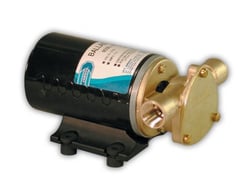
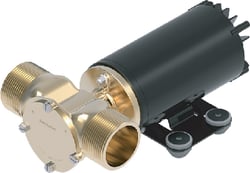
- Reversible Impeller Pumps: A reversible pump can both fill and drain through a single bottom port on the ballast bag, simplifying plumbing and reducing the number of through-hull fittings required. Unlike aerator pumps, flexible impeller pumps are self-priming, meaning they do not need to be mounted below the waterline — they can actively pull water into the system from the intake fitting.
- Portable Pumps: These standalone pumps require no permanent installation — just a 12-volt power source. Portable ballast bag pumps offer the ultimate in flexibility and convenience, with fast fill and drain times and no installation required. They are ideal for boaters who use removable ballast bags rather than built-in tanks.
Key Specs to Consider When Shopping
A pump's ability to move water is commonly measured in gallons per hour (GPH), but wake sport enthusiasts often find it more practical to think in terms of pounds per minute added to the boat. Either way, that capacity figure is dependent on the power of the electric motor, the size of the impeller, and the diameter of the inlet and outlet ports. Higher-flow pumps draw more amperage, which means wiring gauge matters — the longer the run from pump to battery, the heavier the wire gauge needs to be.
- Flow Rate (GPH or lbs/min): Determines how quickly you can fill or drain. Larger ballast systems demand higher-flow pumps to keep setup times reasonable.
- Reversible vs. Single-Direction: Reversible pumps simplify plumbing; aerator pumps may offer faster raw throughput for the price.
- Mounting Location: Aerator pumps must be mounted below the waterline; reversible impeller pumps can be mounted above it since they are self-priming.
- Compatibility: Pump fittings and connection styles vary by brand. Matching your pump to your ballast bags ensures leak-free connections and proper flow.
- Run-Dry Protection: Some pumps include thermal overload protection to automatically shut down if water stops flowing, preventing motor burnout.
OEM Replacement vs. Aftermarket Upgrades
Many wake boats ship from the factory with ballast pumps already installed, but factory systems are often too small to create the size and shape needed for serious wakesurfing. Aftermarket pumps offer a path to faster fill and drain times, higher flow rates, and more flexibility in system design — whether you are rebuilding around an aerator layout or upgrading to a full reversible system. Whether you're building a ballast system from scratch or replacing a failed component, choosing the right pump is the foundation of a well-functioning setup.