



Water Filters & Treatment Systems
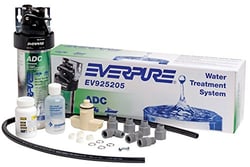

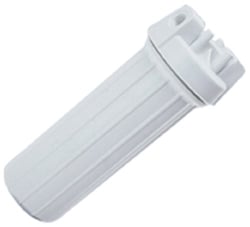
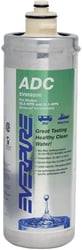
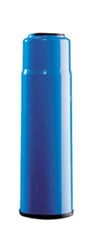

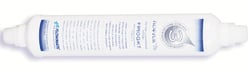
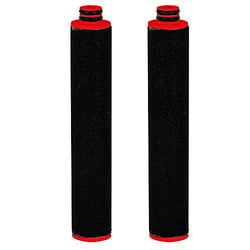
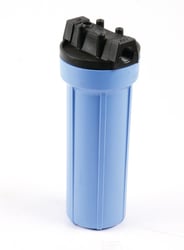
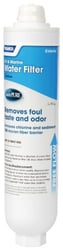
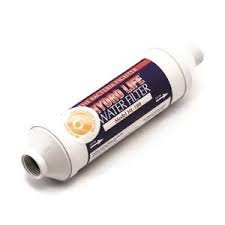
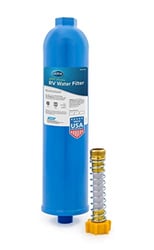
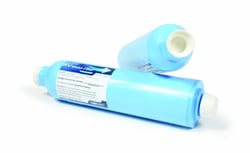
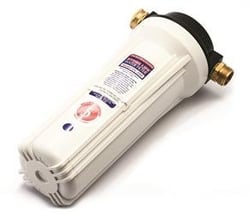
Flowmatic Systems FP10GKT GAC/KDF Inline Water Filter 1/2 Inch RV Replacement Cartridge


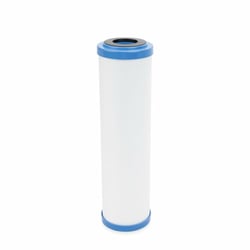
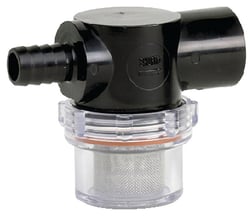
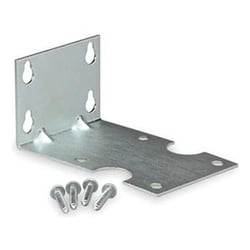

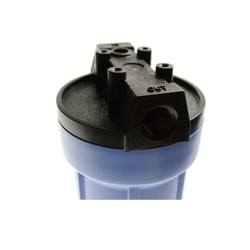


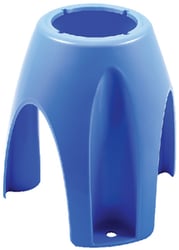

Why Water Filtration Matters in Your RV or Boat
Clean, safe water is one of the most fundamental needs when you're living or adventuring aboard an RV or boat — yet it's one of the most overlooked systems. Whether you're pulling into a campground hookup or anchoring in a remote cove, your water source can change dramatically from stop to stop. Water filters and treatment systems are the essential line of defense between whatever comes out of that spigot and the water you drink, cook with, and bathe in.
The challenge is real. Campground water quality varies enormously — some sites deliver well-maintained city water, while others run aging pipes with elevated sediment, chlorine, or even microbial contamination. For boaters drawing from marina hookups or onboard tanks, similar inconsistencies apply. A properly chosen filtration system doesn't just protect your health; it also protects your RV or vessel's plumbing, fixtures, and water-using appliances from the buildup of sediment, scale, and mineral deposits that can cause premature failure.
Types of RV & Marine Water Filtration
Understanding the different filtration approaches helps you build the right system for your needs:
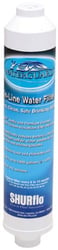
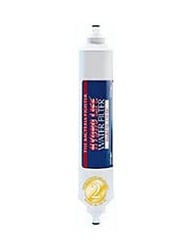
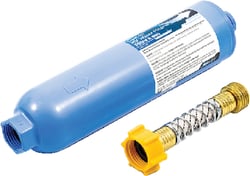
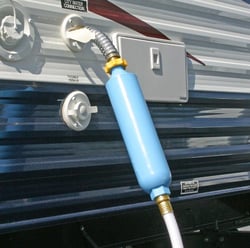
- Inline filters — The simplest and most common solution. These attach directly between the campground spigot or dock connection and your supply hose, removing sediment and reducing chlorine taste and odor. They're easy to install, budget-friendly, and ideal for casual or part-time users.
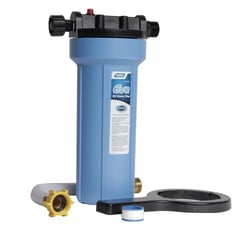
- Canister / multi-stage systems — More robust whole-rig solutions that install between your water inlet and onboard plumbing. Single, dual, or triple-canister configurations allow customizable cartridges — sediment, carbon block, and specialty media — to address specific water quality problems. These are favored by full-timers for their higher flow rates and versatility.
- Under-sink / point-of-use filters — Installed on the cold water line under a galley or kitchen sink, these provide an extra layer of purification specifically for drinking and cooking water, typically using carbon block or multi-stage cartridges.
- UV purification systems — UV light neutralizes bacteria and viruses that physical filters can't catch, making them an excellent addition when drawing from untreated or questionable water sources. UV systems don't affect flow rate and require minimal electricity to operate.
- Reverse osmosis (RO) systems — The most thorough treatment method, RO removes a broad spectrum of contaminants including heavy metals and dissolved solids. Often paired with pre-filters to protect the RO membrane from sediment and chlorine.
- Water softeners — Tackle hard water issues caused by elevated calcium and magnesium content, which can leave scale deposits in pipes, fixtures, and appliances over time.
What to Consider When Choosing a System
The right setup depends on how you use your RV or vessel, how often you travel, and what contaminants are most likely in your water sources. Casual weekend campers may find a quality inline filter sufficient, while full-time RVers and liveaboard boaters typically benefit from a whole-rig canister system layered with an under-sink filter for drinking water. If you boondock or anchor in remote locations away from treated municipal water, adding UV purification is a smart investment. Beyond filtration, a water pressure regulator upstream of your filter protects both the filter itself and your onboard plumbing from pressure spikes common at campground hookups.
Top Brands in RV & Marine Water Filtration
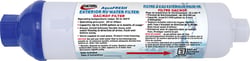
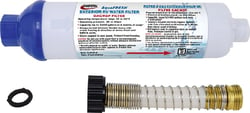
Valterra is a well-established name in the RV plumbing accessories space, offering their AquaFRESH line of exterior inline filters and complete freshwater system kits. Valterra's filters use granular activated carbon (GAC) and KDF media to reduce chlorine taste and odor, limit sediment and scale, and inhibit bacterial growth — all in a UV-resistant, easy-to-install exterior housing built for life on the road.