



Marine Flag


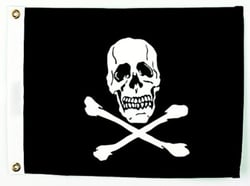
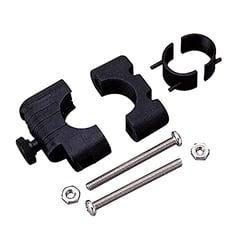
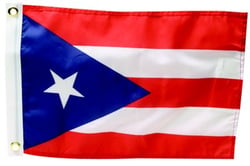


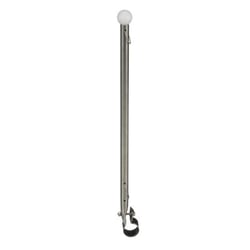

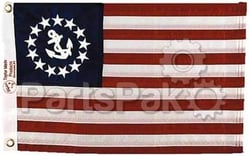
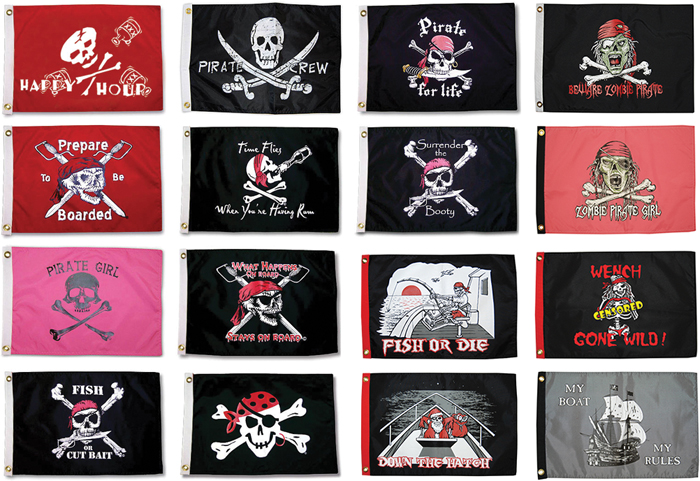 Representative Photo, actual item may vary

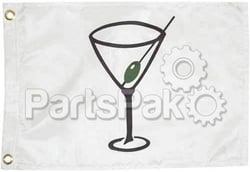
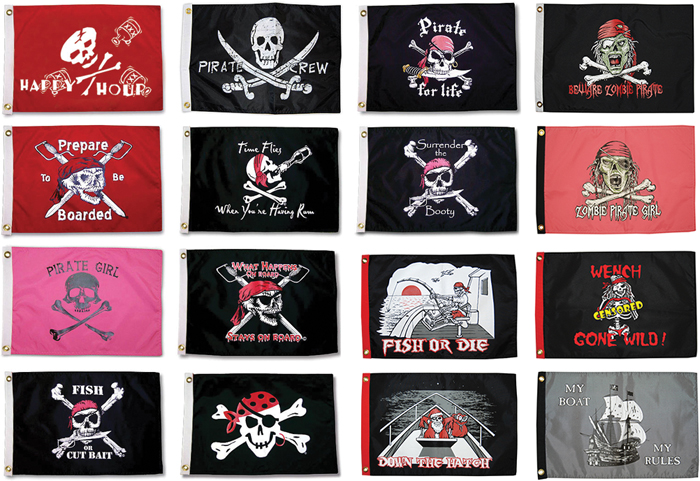 Representative Photo, actual item may vary
 Representative Photo, actual item may vary
 Representative Photo, actual item may vary
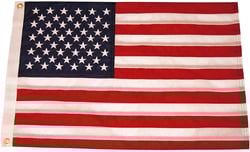
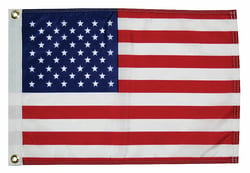
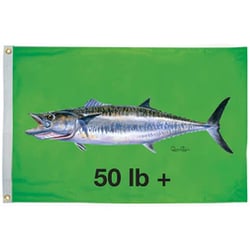
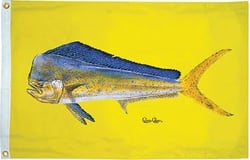
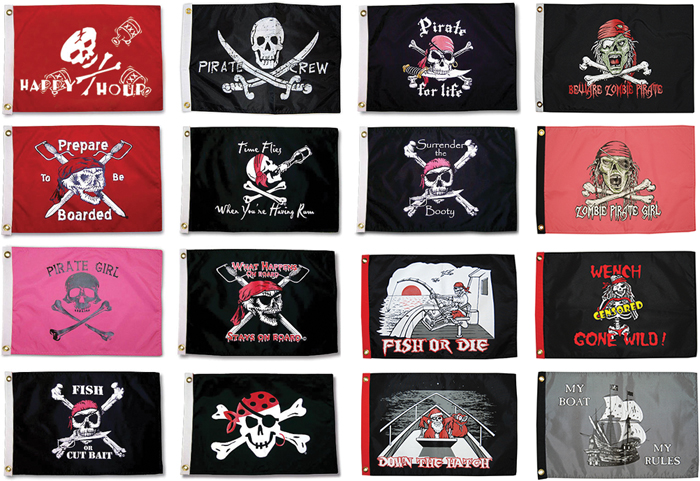 Representative Photo, actual item may vary
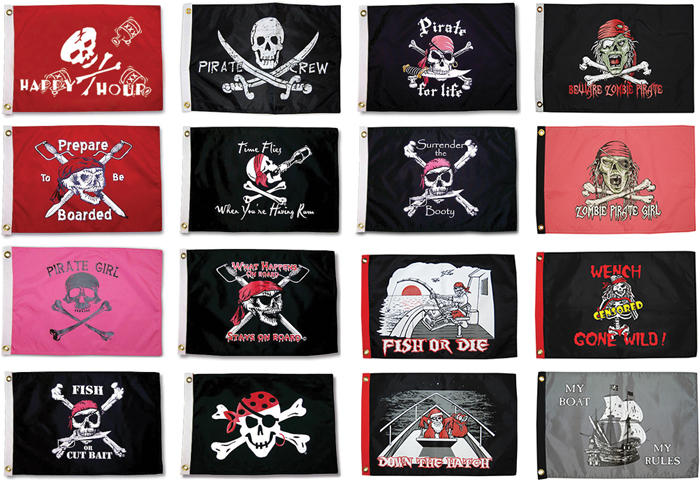 Representative Photo, actual item may vary
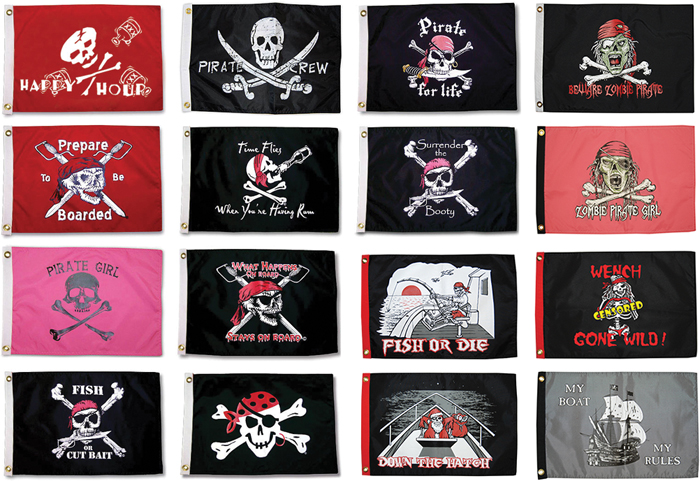 Representative Photo, actual item may vary
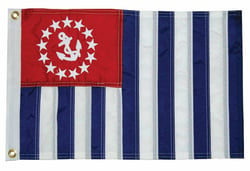
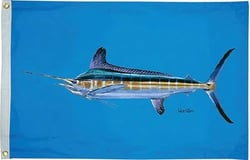
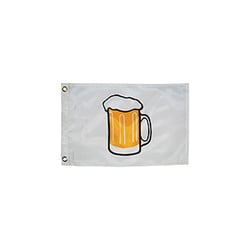
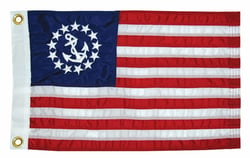

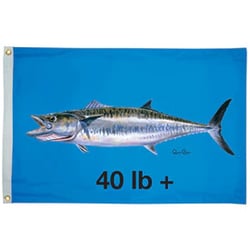
 Representative Photo, actual item may vary
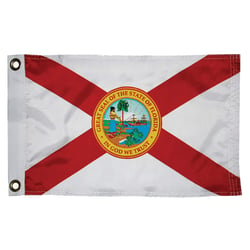
 Representative Photo, actual item may vary
Taylor Made 2020109226 Alabama State Flag 12 x 18 Inch Nylon Marine Boat Flag
Marine Flags: Safety, Tradition, and Identity on the Water
Marine flags are far more than decorative accessories — they are a fundamental part of boating culture, communication, and safety. Every vessel on the water tells a story through its flags, from the national ensign flying at the stern to signal flags conveying critical messages between boats. Whether you're a weekend cruiser, a competitive sailor, or an offshore angler, understanding and properly flying the right flags is part of seamanship.
Why Marine Flags Matter
Maritime flags function like a visual language on the water, conveying information quickly and universally. They are governed by long-standing international maritime traditions and, in some cases, legal requirements. The five most common types you'll encounter are ensign flags, burgee flags, private signal flags, courtesy flags, and signal flags — each serving a distinct purpose.
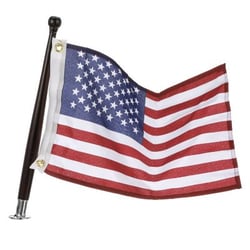
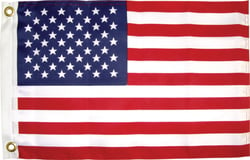
- Ensign Flags: The most important flag on a boat, it identifies the vessel's nation of origin and is required in many international and foreign waters. The preferred flag for U.S. vessels is the traditional American flag, flown from a staff at the stern.
- Signal Flags: Based on the International Code of Signals, these include 26 alphabet flags, 10 numeral pennants, and special flags. They are a critical component of maritime communication, especially when radio communication fails or is restricted.
- Dive Flags: Required in many states when diving or snorkeling activities are taking place near a vessel, alerting other boaters to keep clear of the area.
- Courtesy Flags: Flown when entering foreign waters to show respect for the host nation and signal compliance with local maritime customs.
- Burgee Flags: Represent a yacht club or sailing organization and identify the skipper's affiliation on the water.
Proper flag etiquette also matters practically: using the wrong flag or flying one incorrectly can lead to confusion, fines, or misunderstandings with other mariners. Sizing is equally important — as a general rule, your national ensign should be approximately one inch on the fly for each foot of your vessel's overall length.
Choosing the Right Marine Flag
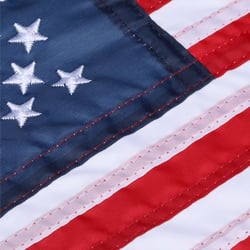
When shopping for marine flags, look for materials specifically designed to withstand the harsh marine environment. Key features to prioritize include UV-resistant and fade-proof fabrics, reinforced stitching at stress points, brass or rust-proof grommets, and bright, high-contrast colors that remain visible even in challenging light conditions.
Top Marine Flag Brands
Taylor Made is the dominant name in marine flags, offering an extensive catalog that spans everything from U.S. national ensigns and military flags to International Code of Signals pennants and specialty fishing flags. Their flags are constructed from lightweight, durable, fade-resistant polyester built for all-weather performance on the water.
Camco is a trusted name in marine and RV accessories, offering practical flag solutions for recreational boaters seeking reliable quality at an accessible price point.
Seachoice provides a broad range of marine flag options, making them a go-to source for boaters looking for variety and value across common flag types. Sea-Dog Line has long been respected in the marine hardware space, bringing that same commitment to quality to their nautical flag offerings. Rounding out the selection, SeaSense offers dependable marine flags designed with the everyday recreational boater in mind.