



Engine Cooling Pumps & Accessories
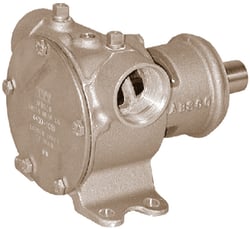

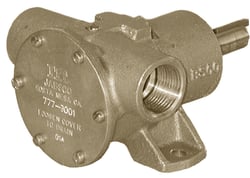
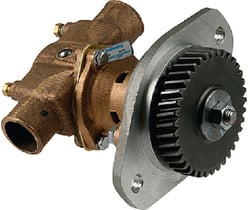

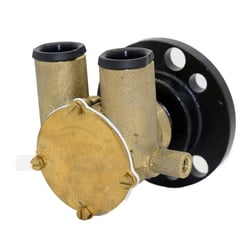
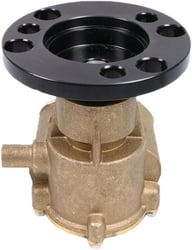
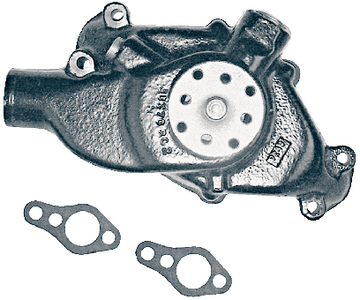
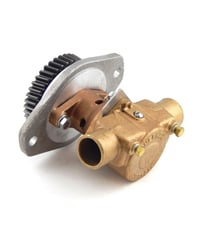
Johnson Pumps 10-24228-1 Engine Cooling Crankshaft Pump for Small Block GM Marine Engines

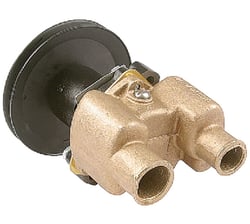
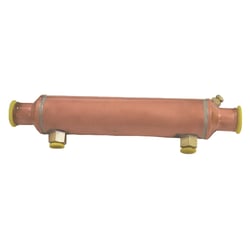
Sierra 18-2588 Marine Transmission Oil Cooler Engine Cooling Pumps & Accessories

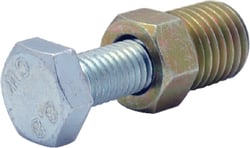
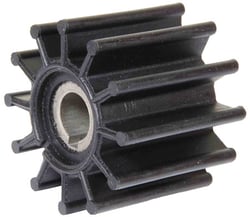
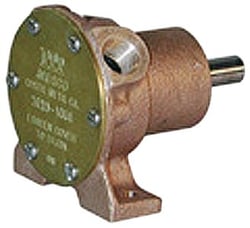
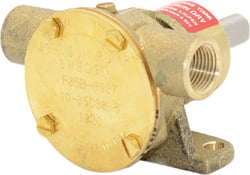
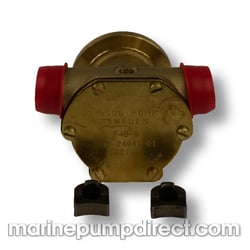
Johnson Pumps 10350389 F35B-8 Engine Cooling Pump Bronze Pedestal Mount 3/8" Ports
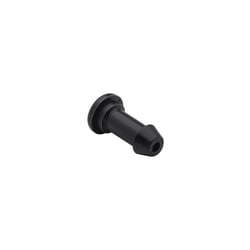
Martyr Anodes CMEZ2S Engine Cooling System Replacement Zinc Pencil Anode 1-1/2" x 5/8"

 Representative Photo, actual item may vary

 Representative Photo, actual item may vary
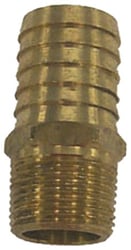

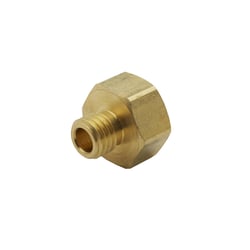
Jabsco 900330001 Coupling Service Kit for 3270/3380/5850 Engine Cooling Pumps
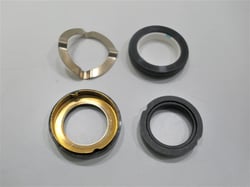
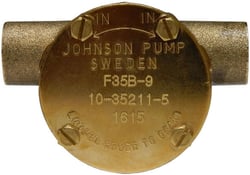
 Representative Photo, actual item may vary
Johnson Pumps 09465991 F95B Service Kit for Heavy-Duty Flexible Impeller Pump
 Representative Photo, actual item may vary
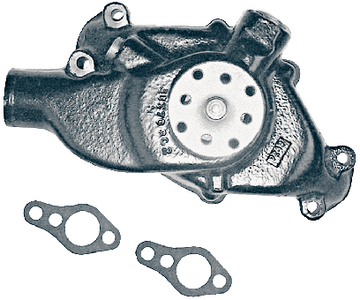 Representative Photo, actual item may vary
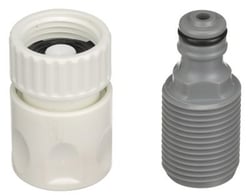

 Representative Photo, actual item may vary
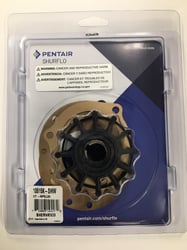
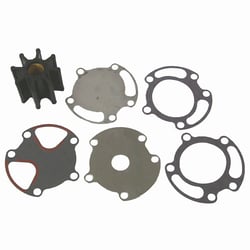
Sherwood Pump 10615K-SHW Neoprene Impeller Kit with Gaskets 12-Blade 2-9/16" Dia
 Representative Photo, actual item may vary
Sherwood Pump 18271-SHW Replacement Brass Cam for P17XX Series Raw Water Pumps
 Representative Photo, actual item may vary
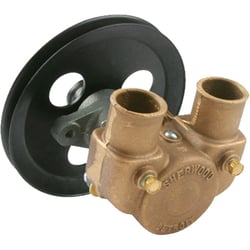
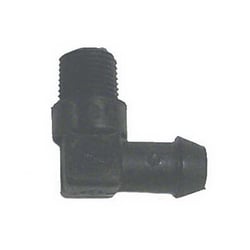
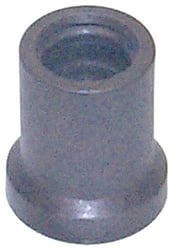
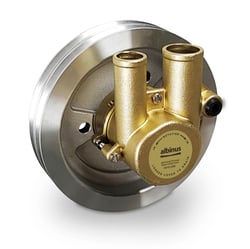

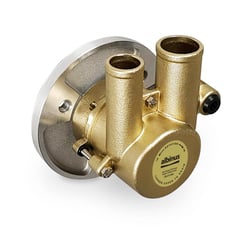
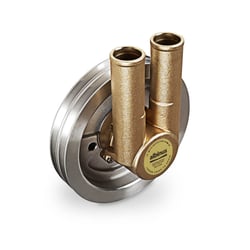
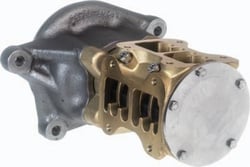
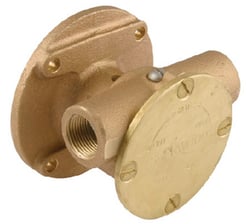
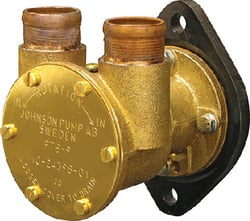
Johnson Pumps 10-00011-12 F95B-9 Bronze Engine Cooling Raw Water Pump for MAN Diesel Engines
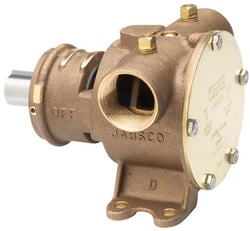
Why Marine Engine Cooling Pumps Matter
Engine overheating is one of the most common and potentially destructive problems boat owners face. Unlike cars, which benefit from constant airflow across radiators, marine engines operate in a more challenging environment and rely on specialized cooling systems to maintain optimal operating temperatures. The components in this category — pumps, impellers, housings, repair kits, and accessories — are the foundation of that system, and keeping them in top shape is one of the most important things you can do for your engine's longevity.
How Marine Cooling Systems Work
At the heart of every vessel's cooling system are the marine cooling pumps. These pumps are responsible for bringing water to every component in the engine and carrying away the excess heat they produce. Marine cooling pumps prevent overheating, prolonging the machinery's life and making the vessel safe for everyone on board.
Marine engines employ two primary cooling system designs: raw water systems, which draw water directly from the body of water the boat is operating in and circulate it through the engine block and exhaust manifolds before discharging it with the exhaust gases; and closed systems, which use a dedicated coolant circuit similar to automotive engines, transferring heat to raw water via a heat exchanger.
Closed-loop systems use a sealed circuit of dedicated coolant to cool the engine, which is then cooled by raw water in a heat exchanger. While greater in complexity, this approach protects the engine and significantly increases its longevity and reduces maintenance.
The Impeller: Heart of the Raw Water Pump
An impeller is a small, gear-shaped flexible rubber or plastic component that pumps water through your boat's cooling system. It is a key part of the water pump that helps circulate water to cool the engine and prevent overheating. The impeller spins inside the water pump housing, drawing in water from the surrounding environment and pushing it through the engine's cooling system. Without an effective impeller, the engine would overheat, leading to potential damage and costly repairs.
If a pump runs dry for even 30 seconds, the friction generates enough heat to melt the rubber impeller. Maintaining a healthy impeller is the only way to keep your motor within its safe operating range. If your boat sits idle, especially over winter, the impeller vanes can get stuck in a bent position — and when you fire up the engine in the spring, those stiff vanes can snap right off, clogging your cooling system.
Key Components in This Category
- Raw Water Pump Assemblies: The raw water pump, usually a belt-driven device with a flexible rubber impeller, draws seawater into the system. Complete assemblies are ideal when the housing or shaft bearings show signs of wear beyond a simple impeller swap.
- Impellers & Impeller Kits: Flexible impeller pumps provide an efficient solution to most marine pumping needs, with self-priming capability being their primary advantage. Kits typically include the impeller, gaskets, seals, and o-rings for a complete service.
- Thermostats: The thermostat regulates the flow of coolant based on the engine's temperature. When the engine is cold, the thermostat restricts coolant flow, allowing the engine to warm up quickly. As the engine heats up, the thermostat opens to allow more coolant flow, preventing overheating.
- Hoses, Clamps & Fittings: Hoses, clamps, and belts are vital to the cooling system and should be checked periodically — ideally every time you check the oil before each start-up.
- Sea Strainers: The sea strainer is your first line of defense against debris — clean the basket regularly to ensure proper water flow.
Maintenance Tips & Shopping Considerations
Most manufacturers recommend replacing an impeller every two years, depending on usage. There are many different types of raw water pump impellers available depending upon your engine type, so it's important to find one that specifically fits your model. Always match your replacement parts to your engine's make, model, and horsepower — and when in doubt, consult your owner's manual or cross-reference the part number stamped on the pump housing itself for a precise fit.
Some common signs that a marine engine cooling pump needs attention include overheating, leaks, unusual noises, and reduced water flow. Proactive replacement before the season starts — rather than waiting for failure on the water — is the smartest and most cost-effective approach to marine cooling maintenance.