



Flotation Apparel & Work Suits
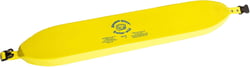
TRC Recreation 2024012 Super Soft Water Ski Buoyancy Belt Waist Float X-Large Yellow

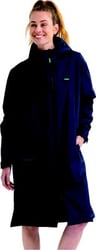

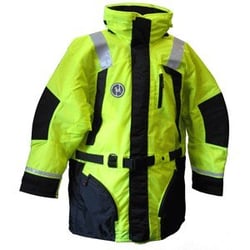
First Watch AC-1100-HV-L Hi-Vis Flotation Coat USCG Type III Large Yellow
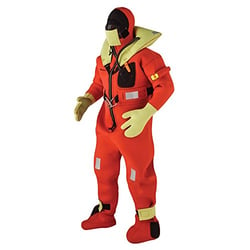
Kent Sporting Goods 154100-200-004-13 Commercial Immersion Suit USCG/SOLAS Universal Orange

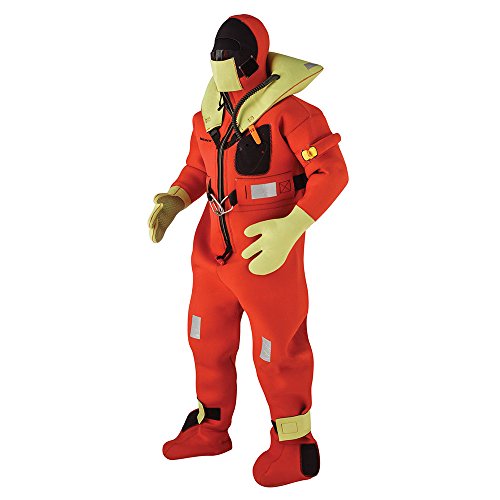 Representative Photo, actual item may vary
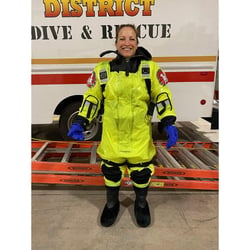
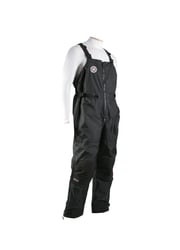
 Representative Photo, actual item may vary
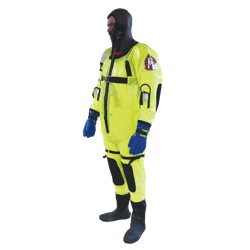
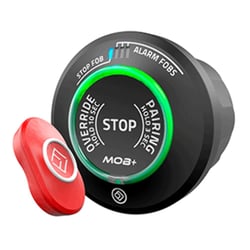
Quicksilver 8M6007089 MOB+ xFOB Wireless Man Overboard Wearable Kill Switch Fob Red

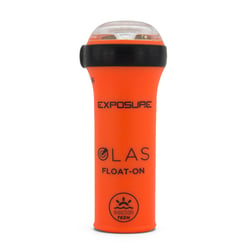
ACR Electronics EXPOLASFLOTATION OLAS Exposure MOB Float-On Light Crew Tracker
What Is Flotation Apparel & Why It Matters on the Water
When you work or spend serious time on the water, the difference between a close call and a tragedy often comes down to what you're wearing. Flotation apparel — including float coats, anti-exposure work suits, and flotation bibs — is a category of personal protective equipment designed to keep mariners warm, visible, and buoyant without restricting their ability to do their jobs. Unlike a traditional life jacket stored in a locker, flotation apparel is worn throughout the entire trip, meaning it's always ready when it's needed most.
Flotation apparel and work suits span a wide range of garments engineered for commercial deckhands, fishermen, rescue personnel, and serious recreational boaters alike. The best suits combine USCG-approved buoyancy ratings with practical features like articulated joints for unrestricted movement, SOLAS-grade reflective tape for emergency visibility, waterproof barriers, and thermal insulation for cold-water environments.
Key Features to Look for in a Flotation Work Suit
- USCG Approval Type: Most flotation jackets and coats are rated as Type III PFDs, while full anti-exposure suits often carry a Type V rating, designed for specific working conditions.
- Thermal Protection: Anti-exposure suits trap a thin layer of water against the body, working similarly to a wetsuit to provide insulation in cold-water immersion scenarios.
- Mobility & Fit: Pre-curved, articulated knees and elbows allow a work suit to move naturally with the wearer — critical for deckhands who need to bend, climb, and stretch throughout a shift.
- Visibility: High-visibility colorways and integrated SOLAS reflective tape make the wearer easier to spot in low-light or emergency conditions.
- Weather Resistance: Sealed cuffs, tapered seams, and waterproof internal barriers prevent water penetration during active deck work or immersion.
Top Brands in Flotation Apparel & Work Suits
Mustang Survival is one of the most recognized names in marine safety, with decades of experience engineering survival and flotation gear trusted by professional mariners, coast guards, and rescue personnel worldwide. Their flotation apparel lineup is built to rigorous performance standards and is a go-to choice for anyone working in demanding offshore or cold-water environments.
First Watch has earned a strong reputation for combining genuine safety performance with wearable, comfortable designs. Their anti-exposure suits and flotation coats — including the well-regarded AS-1100 series — are USCG-approved and feature purpose-built details like fleece-lined hoods, articulated joints, and integrated SOLAS tape that make them practical for real-world deck work in harsh climates.
Jobe Sports brings a watersports-focused perspective to flotation apparel, offering garments that balance safety ratings with an active, athletic fit suited for recreational and adventure boating use cases.
Kent Sporting Goods is a long-standing name in personal flotation devices and water safety equipment, producing USCG-compliant gear that serves both recreational boaters and working mariners at an accessible level.
ACR Electronics is widely known for marine safety signaling and survival products, and their presence in flotation apparel reflects a commitment to comprehensive on-water protection for mariners who demand integrated safety systems.
Choosing the Right Flotation Suit for Your Needs
The right garment depends on your environment and role. Casual boaters and anglers in mild weather may find a Type III float coat sufficient, while commercial deckhands, rescue teams, or anyone operating in cold or rough water should strongly consider a full Type V anti-exposure suit. Always check that the garment meets USCG approval for your specific use case, and prioritize fit — a flotation suit that restricts movement won't get worn, and a suit that doesn't get worn can't save your life.