



Gauges & Sending Units
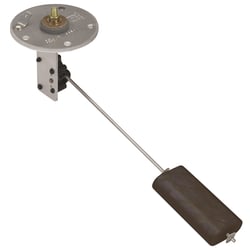


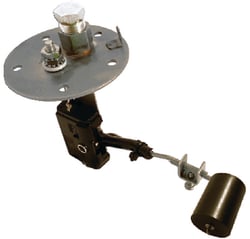
Moeller 035789-10 Universal Fuel Level Sender with Diesel Return 6-24 Inch Adjustable
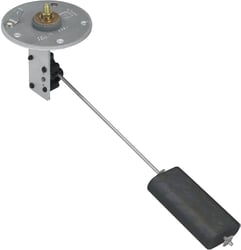
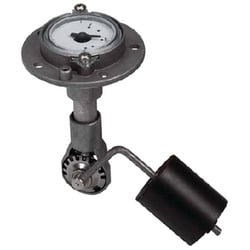
Moeller 035726-10 Swingarm Electric Fuel Sending Unit Kit with Dash Gauge 4-28 Inch
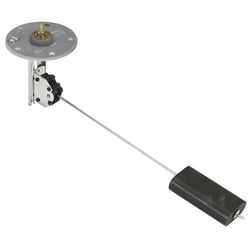
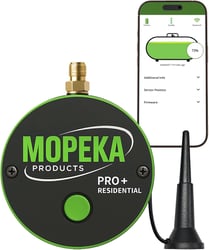
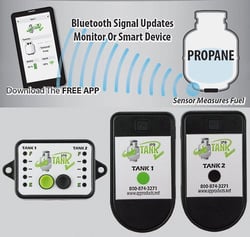
Mopeka M1015050 Pro+ Bulk Cellular LTE Tank Level Sensor for Tanks Over 4 Feet Tall

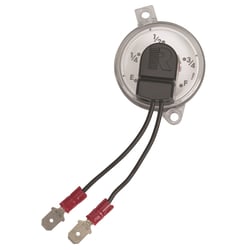
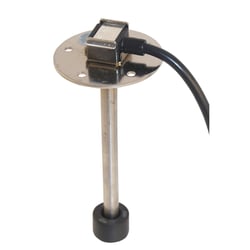
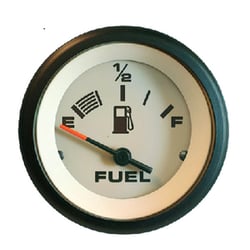


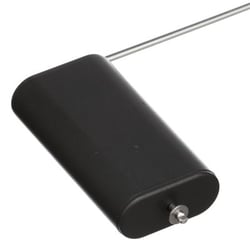

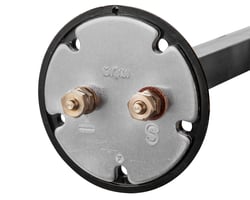
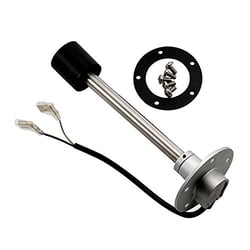

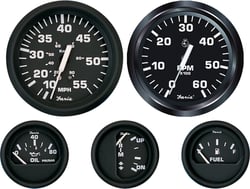
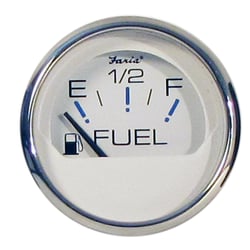

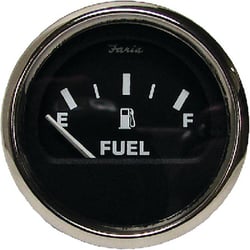
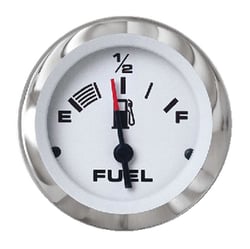
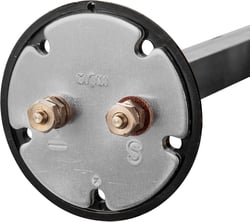
Seastar Solutions 90424P Universal Marine Fuel Sender 4-24 Inch Adjustable Tank Depth

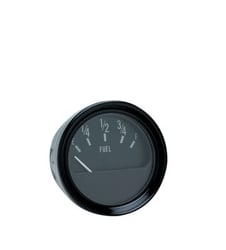
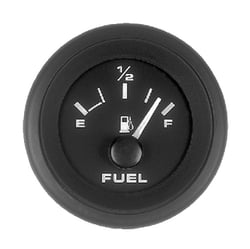
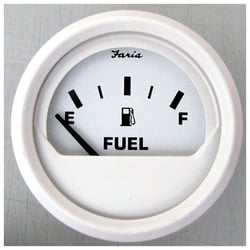
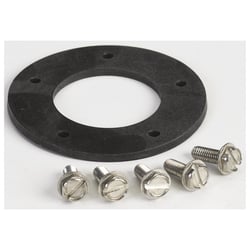
Moeller 035728-10 Universal 5-Hole Gasket Kit with Mounting Screws and Washers
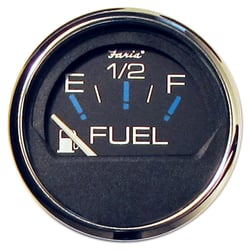
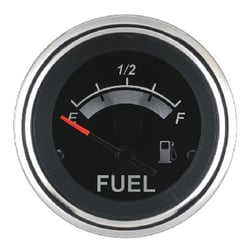
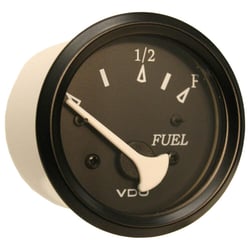
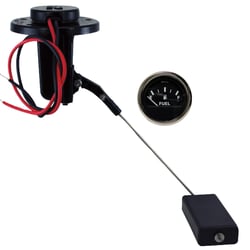
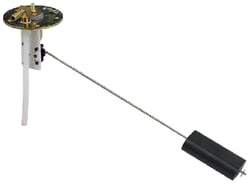
Moeller 035724-10 Swingarm Electric Fuel Sending Unit with Diesel Return 12-24 Inch
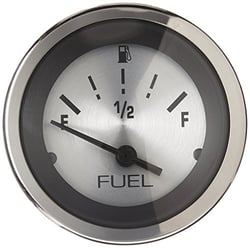
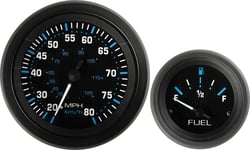
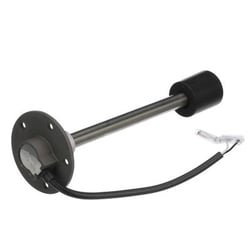
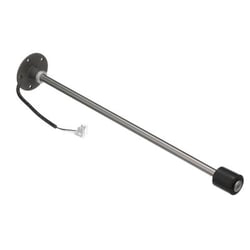
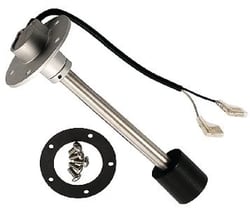
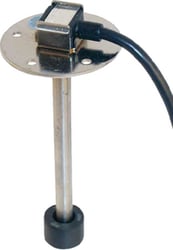
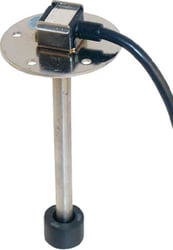
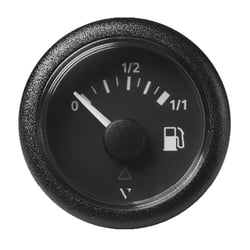
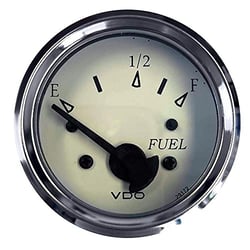
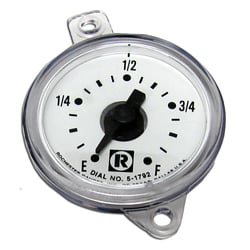
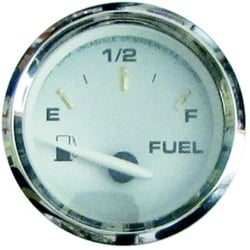
VDO Gauges 301-15278 Cockpit Marine 52mm 2-1/16" Fuel Level Gauge White Dial Chrome Bezel
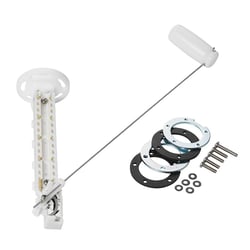
VDO Gauges 226-801-015-001G Marine Fuel Level Sensor Single Station with Seal Kit
 Representative Photo, actual item may vary
VDO Gauges A2C1750240001 Veratron Deep-Pipe Fuel Level Sender 300mm 90-4 Ohm
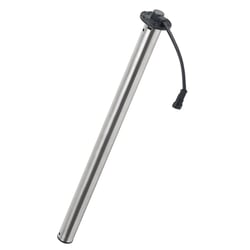
VDO Gauges A2C1746030001 Veratron Deep-Pipe Fuel Level Sender 160mm Stainless Steel
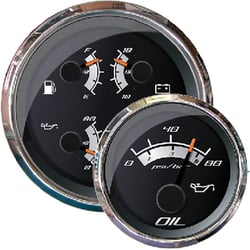
 Representative Photo, actual item may vary
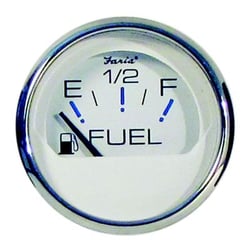
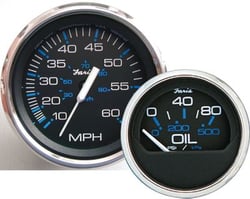
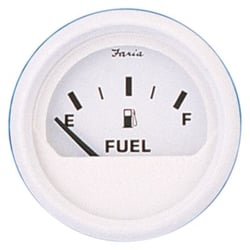
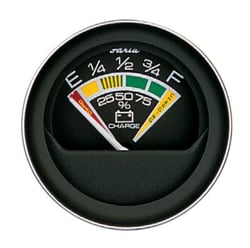
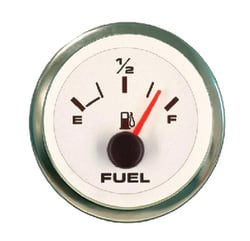
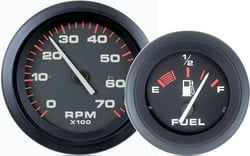
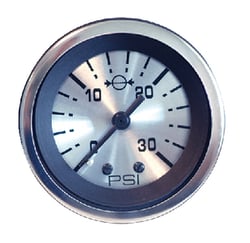
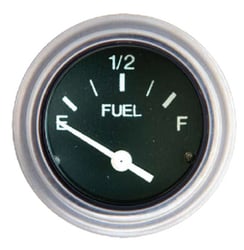
- 1
- 2
Understanding Marine & RV Fuel Gauges and Sending Units
Knowing exactly how much fuel is in your tank is one of the most fundamental safety requirements on the water or on the road. A fuel gauge and sending unit system is a two-part setup: the sending unit mounts inside the fuel tank and reads the fuel level via a float mechanism, while the gauge — typically mounted on the helm or dashboard — translates that signal into a readable display. When either component fails or is mismatched, inaccurate readings can leave boaters stranded or RV travelers scrambling for a fill-up at the worst possible moment.
How Sending Units Work
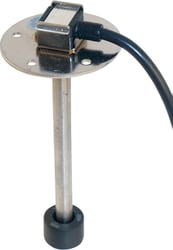
Most marine and RV sending units rely on one of two designs. Swingarm (float arm) senders use a mechanical float on an arm that rises and falls with the fuel level, changing resistance in the circuit to move the gauge needle. Reed switch senders use a series of magnetic reed switches along the sender tube to take more consistent, stepwise readings without a moving swingarm — making them well-suited to rough-water boating where fuel sloshes inside the tank. Both types are commonly calibrated to the industry-standard 240–33 ohm range, so always verify compatibility between your sender and gauge before purchasing.
What to Consider When Shopping
- Tank depth: Sending units must match the depth of your fuel tank. Universal adjustable senders can cover a range of depths, while fixed-length units target specific tank sizes.
- Fuel type compatibility: Confirm the sender is rated for gasoline, diesel, or ethanol-blended fuels as required by your application.
- Ohm range: Ensure the sender and gauge share the same ohm rating (typically 240–33 for marine) to avoid inaccurate readings.
- Mounting pattern: Most marine senders use an SAE 5-hole mounting flange — verify this matches your tank's access port.
- Corrosion resistance: Internal and external components should be rated for the marine environment, with stainless steel or non-ferrous materials to resist corrosion.
Top Brands in Marine & RV Fuel Gauges and Sending Units
Moeller is widely recognized as the category leader. Moeller's fuel sender and gauge lineup is described as the marine industry's most comprehensive line of OEM-compatible fuel senders and remote gauges, with units designed for top-mounting in aluminum, plastic, or stainless steel tanks across all vessel types. Their senders are ethanol-compliant, meet NMMA and ABYC specifications, and span swingarm electric, reed switch, mechanical, and diesel configurations to handle virtually any installation.
VDO Gauges brings decades of precision instrument heritage to the marine cockpit. VDO's Cockpit Marine and Viewline series dash-mounted fuel level gauges pair seamlessly with standard 240–33 ohm senders and are engineered to provide boaters with an attractive, reliable instrumentation platform that balances performance and aesthetics.
Seachoice offers an accessible range of both swingarm and reed switch fuel senders built to industry-standard ohm specifications, with stainless steel immersion tubes and corrosion-resistant mounting hardware. Their approach — designing products for and by boaters — means their gauge kits and senders deliver reliable performance at a practical price point.
Scully is a trusted name in fluid-level sensing and overfill prevention, bringing precision engineering and rigorous safety standards to marine fuel monitoring applications. Their products are particularly valued where accuracy and compliance are paramount.