



Jack Plates
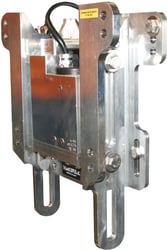
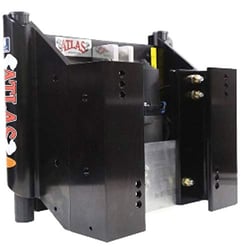
T-H Marine AHJM4DP Atlas Micro Jacker Hydraulic Jack Plate 4" Setback for Small Outboards Up to 115HP

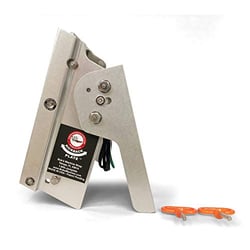

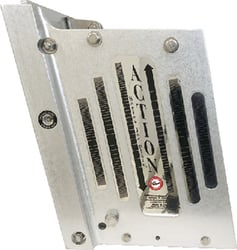
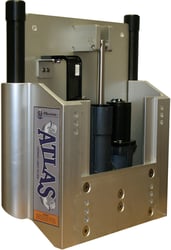
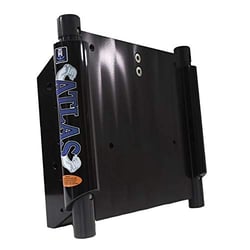
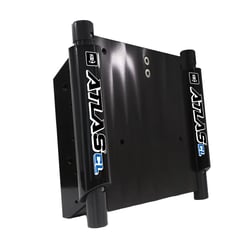

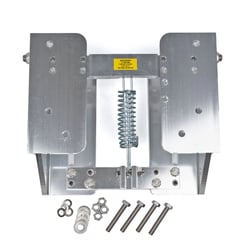
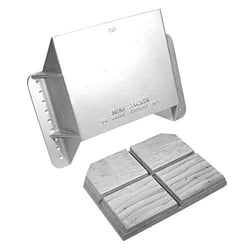
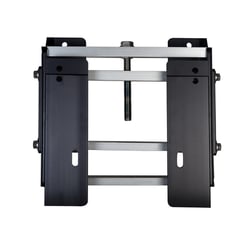
Seastar Solutions JP1060SS Manual Jack Plate with Side Locks 300 HP 6-Inch Setback

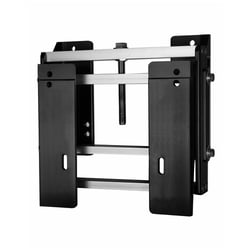
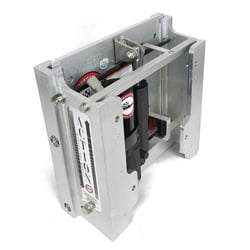
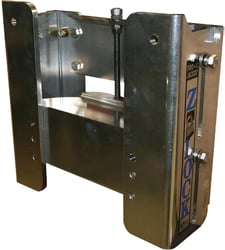
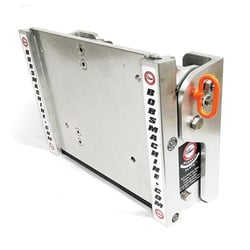
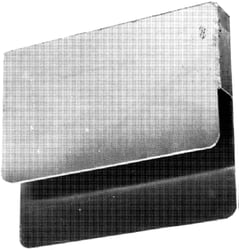
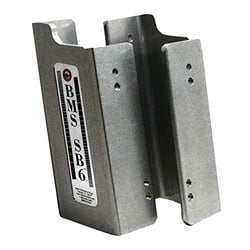
Bob's Machine 100-105200-NOPC Versa Series 6" Manual Kick-Back Jac Plate
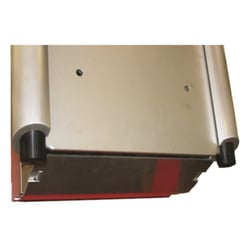
 Representative Photo, actual item may vary
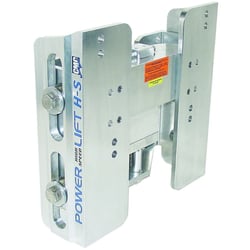
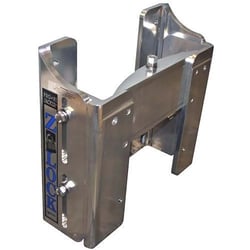
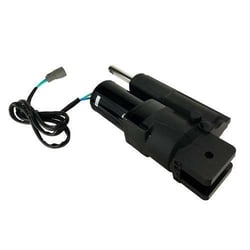
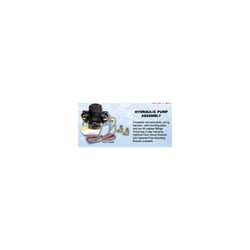
Bob's Machine 120-120016 Action Series Hydraulic Pump Assembly 6" Stroke Replacement
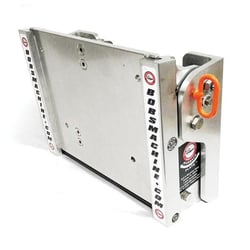
Bob's Machine 100-105100-NOPC Hydraulic Action Series Kick-Back Jack Plate
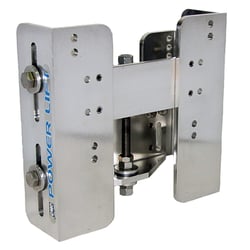
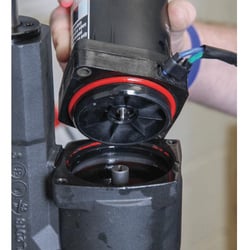
T-H Marine AHJMTR-2-DP Atlas Replacement Electric Motor Metal Housing Pre-2014
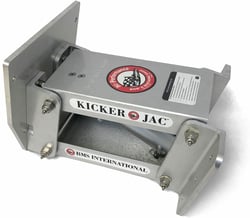
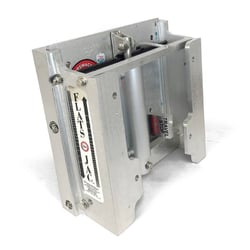
T-H Marine AHJM-CMA-DP Atlas Micro Jack Plate Clamp-On Outboard Motor Adapter
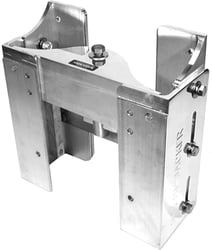
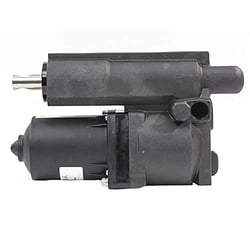
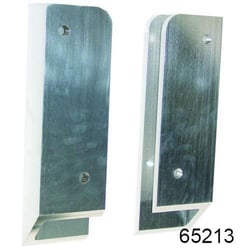
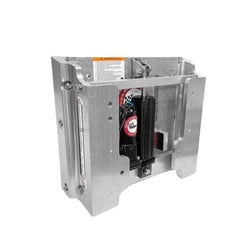
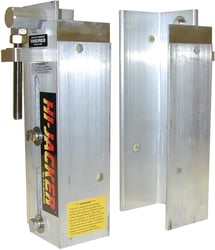
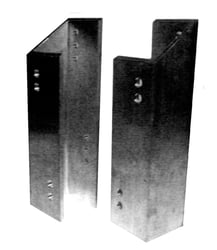
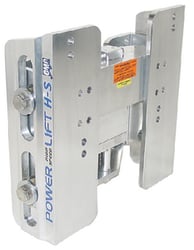
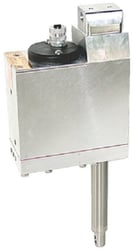
T-H Marine 7050 Standard Hydraulic Actuator for CMC Jack Plates and Tilt & Trim Units
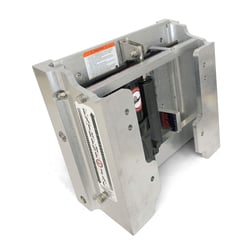
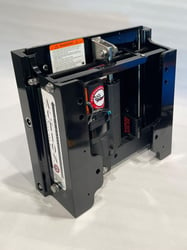
Bob's Machine 100-606005P-PCBW-NOSPNNG Gen 3 Extreme Action Hydraulic Jack Plate 6in Setback White No Spring
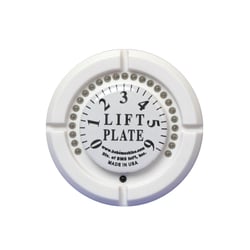
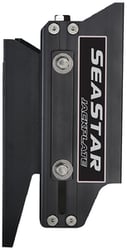
Seastar Solutions JP1080SS Manual Jack Plate 8" Setback 300HP 585lbs Capacity
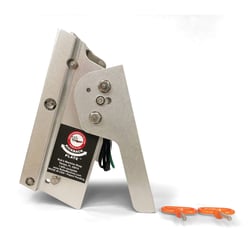
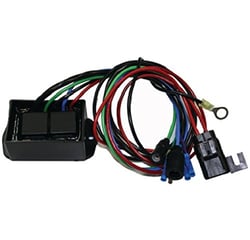
T-H Marine AHJRELAYKIT2DP Replacement Relay Wiring Harness for Atlas Hydraulic Jack Plates
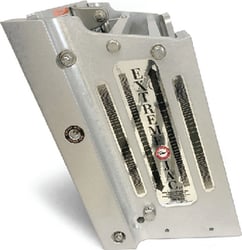
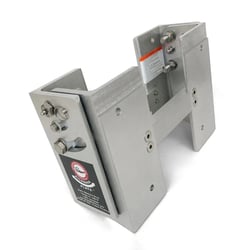
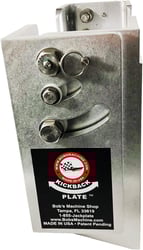
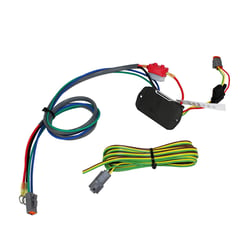
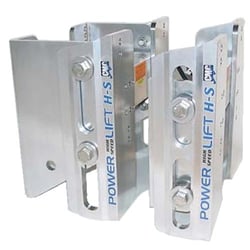
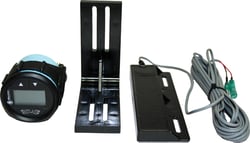
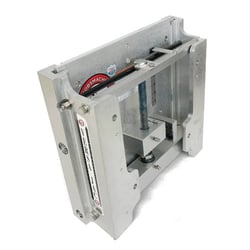
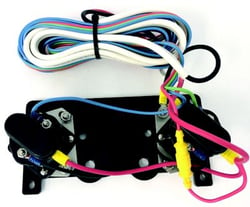
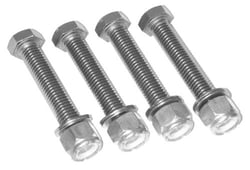
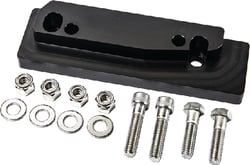
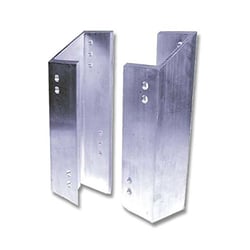
T-H Marine JP-4FAHD-DP Hi-Jacker 4.5 Inch Fixed Jack Plate for Up to 300HP Outboards
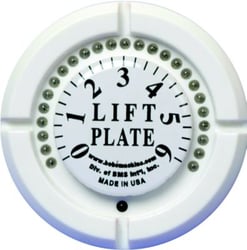
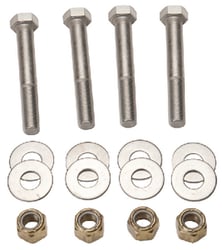
Seastar Solutions DK6145 Jack Plate Mounting Bolt Kit with Stainless Steel Hardware
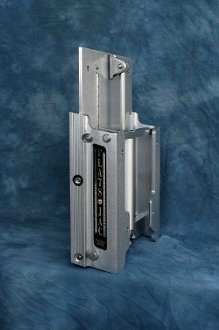 Representative Photo, actual item may vary
Bob's Machine 110-501001 Jack Plate Transducer Mount for 8 Inch and Up Plates
What Is a Jack Plate and Why Does It Matter?
Jack plates are one of the most impactful performance upgrades you can make to an outboard-powered boat. A jack plate is a mounting system installed between the boat's transom and the outboard motor that allows the engine to be raised or lowered vertically, changing how the propeller sits in the water. Adjusting engine height can improve speed, handling, fuel efficiency, and overall boat performance.
Jack plates also add setback — the horizontal distance between the transom and the motor mount. This positions the propeller in cleaner, less-turbulent water away from the hull's wake, giving the prop a better bite and more efficient thrust. Together, vertical adjustment and setback help a boat get on plane faster, run shallower, and reach higher top speeds with the same engine.
Types of Jack Plates
There are three main types of jack plates, each suited to different boating styles and budgets:
- Hydraulic / Electric Jack Plates: These use a hydraulic actuator or electric motor to raise and lower the outboard at the push of a button while underway. They are ideal for boaters who regularly move between shallow flats and open water, or who want precise on-the-fly performance tuning.
- Manual Jack Plates: Manual plates use a mechanical screw mechanism to reposition the motor. They are more cost-effective and work well for boaters who want to find an optimal engine height and lock it in, rather than adjusting frequently.
- Fixed Jack Plates: Fixed models offer no vertical adjustment but provide a set amount of setback and a corrected mounting height. They are the simplest and least expensive option, often used to solve transom height mismatches or add a measured amount of setback.
Key Considerations When Choosing a Jack Plate
Selecting the right jack plate comes down to several factors: your boat's hull type, engine horsepower and weight, typical water depth, and how often you want to make adjustments. Setback sizes typically range from 4 to 14 inches — as a general rule, longer boats benefit from more setback. Bass boats, bay boats, and flats skiffs are among the most common applications, since these hulls frequently transition between shallow and deep water environments. Always verify that the plate's horsepower and weight rating matches or exceeds your outboard's specs.
Top Jack Plate Brands
When it comes to jack plates, a few trusted manufacturers stand out. Bob's Machine is widely considered the category leader. Founded in 1978 in Tampa, Florida, Bob's Machine was the first company to produce a jack plate rated for 300 horsepower, and their entire lineup is manufactured in the USA using CNC machining and marine-grade aluminum. Their flagship Action Series™ features an integrated pump built directly into the plate housing, keeping the interior of your boat clean and uncluttered, while all models come backed by a lifetime structural warranty.
SeaStar Solutions brings decades of marine engineering expertise to their jack plate lineup. Their Gen II hydraulic models feature a high-speed actuator capable of moving the engine through its full range of travel in seconds, and their plates are specifically designed to maximize engine tilt when paired with SeaStar steering cylinders — making them a natural fit for boaters who already run SeaStar hydraulic steering.
CMC has a long-standing reputation in the marine performance community for their Power-Lift jack plate, a roller-style design known for its reliability and versatility across a range of outboard setups.