



Raymarine Transducers & Accessories


Raymarine T70318 RV-212 RealVision 3D Bronze Thru-Hull Transducer Pair 12 Degree



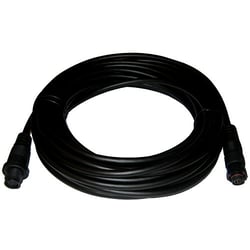
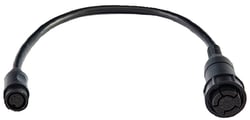
Raymarine A80496 Adapter Cable 11-Pin to 8-Pin for AXIOM Pro with Airmar Transducer



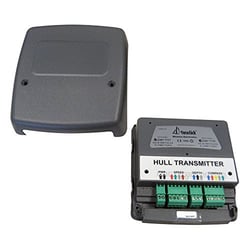
Raymarine A80330 Trolling Motor Mounting Bracket for CPT-DV and CPT-DVS Transducers


Raymarine A80321 CHIRP Depth & Temperature Transducer with 20° Tilted Element


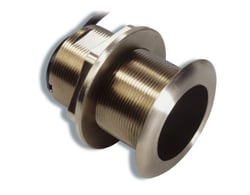
Raymarine A80043 B175M Bronze Thru-Hull CHIRP Transducer 0° Tilt Medium Frequency

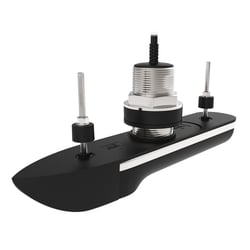
Raymarine A80704 RVM-400 Stainless Steel Thru-Hull Transducer with 0° Deadrise

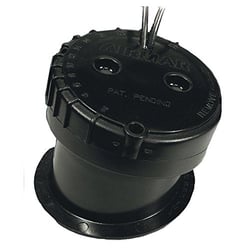

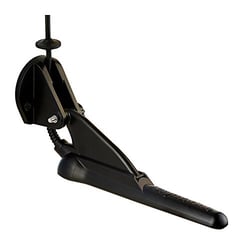

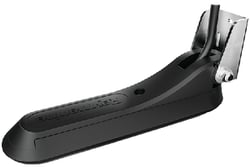
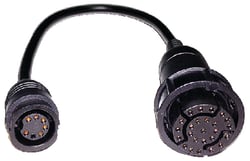

Raymarine T70319 RV-220 Bronze Thru-Hull Transducer System with RealVision 3D
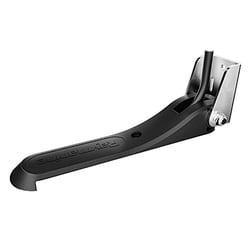

 Representative Photo, actual item may vary


Raymarine T70544 RVM-420 Stainless Steel Thru-Hull Transducer Pair 20 Degree 10M Cable
 Representative Photo, actual item may vary
Raymarine E70673 ST900/P120 Speed & Temp Thru-Hull Transducer Retractable 45' Cable
Raymarine Transducers & Accessories: Precision Sonar Beneath the Surface
When it comes to reading what lies beneath the waterline, few names carry the credibility of Raymarine. The company's origins date back to 1923, when the first commercial echosounder was developed — a legacy that continues to shape how Raymarine approaches underwater sensing technology today. That deep-rooted expertise is nowhere more evident than in their lineup of transducers and accessories, which form the critical link between a fishfinder or chartplotter display and the water below.
The Technology Behind the Signal
A transducer is the heart of any sonar system. It converts electrical energy into sound waves, listens for returning echoes, and feeds that data to your display — painting a picture of depth, structure, bottom composition, and fish. Choosing the wrong transducer means poor sonar performance regardless of how capable your display may be. Raymarine has engineered their transducer range to match and unlock the full potential of their multifunction display ecosystem.
Raymarine's sonar technologies include CHIRP DownVision, SideVision, and RealVision MAX — each requiring a compatible, purpose-built transducer to deliver its full performance. CHIRP (Compressed High Intensity Radar Pulse) technology sweeps a continuous range of frequencies rather than a single frequency, producing sharper target separation and greater depth penetration compared to traditional single-frequency sonar. DownVision transducers generate a razor-thin sonar beam aimed directly downward, revealing structure, baitfish clouds, and bottom detail in near-photographic clarity. SideVision transducers sweep wide fans to either side of the hull, giving anglers and cruisers a broad underwater panorama. RealVision MAX takes this a step further with 3D sonar imaging, stitching together a dimensional picture of the underwater world in real time.
Designed for the Raymarine Ecosystem
Raymarine is a major supplier of electronic equipment for marine use, targeting both recreational and light commercial markets with products including fishfinders and sonar. Their transducers are engineered as native components of that ecosystem, designed to plug directly into Axiom and Axiom 2 series chartplotters without adapters or signal converters. Raymarine Axiom displays can serve as the center of a connected marine electronics system, bringing compatible sonar, radar, autopilot controls, and other onboard information together at the helm — and a properly matched transducer is what makes the sonar side of that integration perform at its peak.
Raymarine offers transducers in a variety of mounting configurations — transom mount, through-hull, and in-hull (shootthrough) — to accommodate everything from small center consoles to deep-V offshore hulls and displacement cruisers. Accessories in this category include transducer mounting hardware, extension cables, fairing blocks, and adaptor brackets that simplify installation and ensure clean, interference-free signal transmission.
Why Transducer Choice Matters
Selecting the right Raymarine transducer means matching beam frequency, cone angle, and mounting style to your hull type, target depth range, and intended use. Anglers fishing shallow flats need different specifications than offshore trollers probing deep structure. Raymarine has been driven by a passion for marine technology, and their team brings personal experience in sailing, fishing, and cruising to product development — resulting in transducers tuned for real-world on-water conditions rather than just spec-sheet numbers.
Whether you are upgrading an existing sonar setup or building a new electronics suite from scratch, pairing a Raymarine display with a matched Raymarine transducer or accessory ensures the entire signal chain — from pulse generation to on-screen rendering — is optimized by a single engineering team with over a century of underwater sensing heritage.