



Outboard Motor Mounting Plates
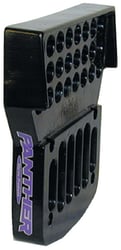

What Are Outboard Motor Mounting Plates?
Outboard motor mounting plates are hardware components that sit between an outboard engine and a boat's transom, providing a flat, secure, and reinforced surface for attachment. Whether you're dealing with a curved or contoured transom that makes direct mounting impractical, or you need to fine-tune your engine's angle and height for optimal performance, mounting plates are an essential part of a well-configured outboard setup.
Mounting plates act as reinforcement or doubler plates that strengthen the transom in the area of the engine mounting bolts, spreading stress from the motor across a wider area. This is particularly important on high-powered setups where vibration, torque, and wave impact can put enormous strain on the transom over time.
Why Outboard Motor Mounting Plates Matter
Many boaters assume that clamping an outboard directly to a transom is always possible — but hull geometry, motor size, and shaft length don't always cooperate. When direct-to-transom motor mounting is difficult, a static motor mount plate provides a flat, secure mounting surface for clamp-on or bolt-on kicker motors — both two- and four-stroke — up to 35 HP or 263 lbs.
Beyond solving installation challenges, mounting plates can also improve on-water performance. Reversible wedge plates provide five degrees of trim or tuck, with a one-piece cast aluminum design that creates a stable platform for large outboards. Heavy boats benefit from the additional bow lift, while bow-light boats benefit by reversing the wedge to keep the hull adhered to the water for an improved hole shot.
Some plates also address shaft-length mismatches. A mount plate that sets the motor four inches higher on the transom can allow a long-shaft motor to be used where a short-shaft motor would otherwise be required — making it ideal for jon boats and small fishing boats.
Key Considerations When Shopping for Mounting Plates
- Material: Transom support plates are typically made from materials like stainless steel or powder-coated steel for durability in harsh marine environments. Cast aluminum is also widely used for its lightweight strength.
- Motor Capacity: Ensure the plate can support the weight and horsepower of your outboard motor, and always check the maximum weight and horsepower limits provided by the manufacturer.
- Transom Compatibility: Some plates are designed for flat transoms, while others work on curved or contoured hulls. Confirm fitment before purchasing.
- Bolt Patterns: Look for plates that match the universal BIA outboard mounting pattern used by all major manufacturers to ensure easy, drop-in installation.
- Setback & Trim Angle: If performance tuning is the goal, consider wedge plates or setback plates that allow you to dial in prop depth and running attitude without modifying the hull.
Top Brands in Outboard Motor Mounting Plates
Panther Marine Products is a well-established name in outboard mounting solutions. For more than three decades, Panther's products — including outboard motor brackets and mounting accessories — have been among the top sellers across the U.S. and around the globe. Their lineup includes static mount plates, reversible wedge plates, setback spacers, and bolt bars, all built from cast aluminum with corrosion-resistant finishes to stand up to the demands of freshwater and saltwater use alike.