



Shackles
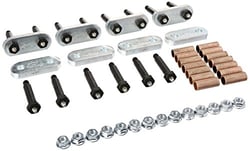

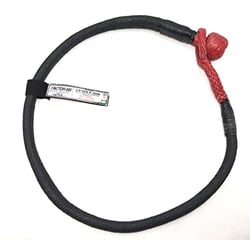

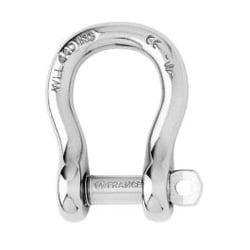

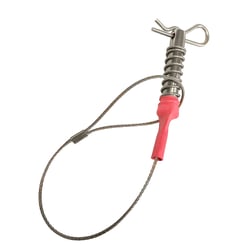
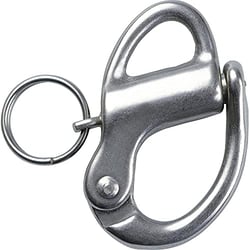
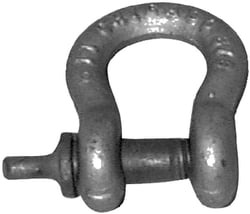
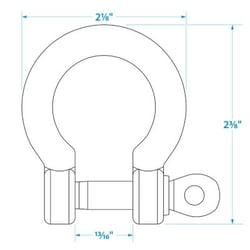
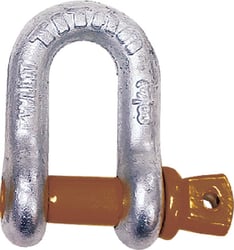

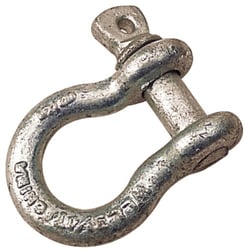

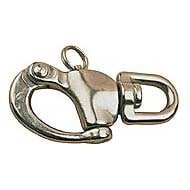
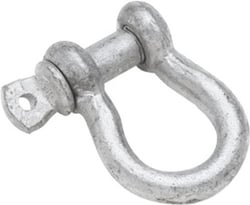


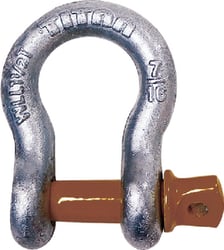
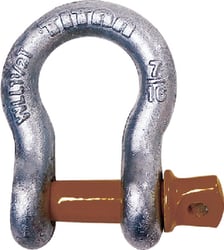
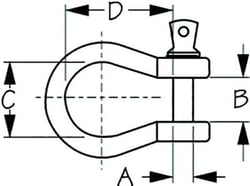
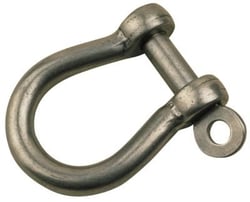
 Representative Photo, actual item may vary

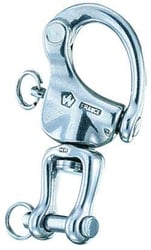
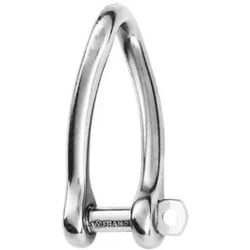
 Representative Photo, actual item may vary
 Representative Photo, actual item may vary
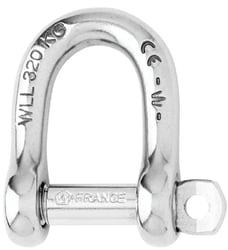
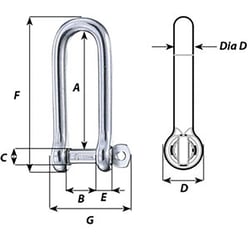
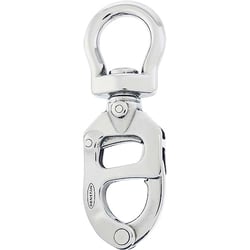

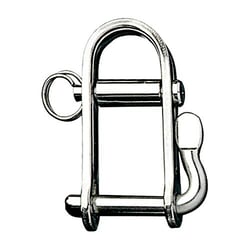
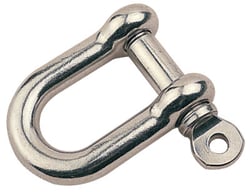
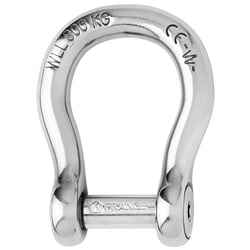

 Representative Photo, actual item may vary
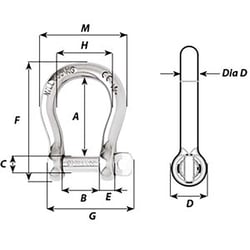
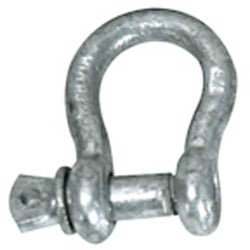

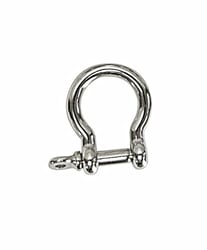
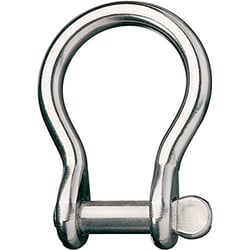
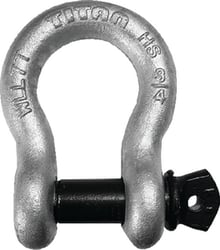
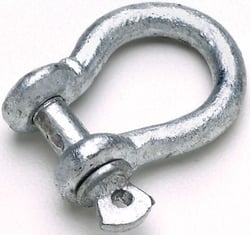
 Representative Photo, actual item may vary
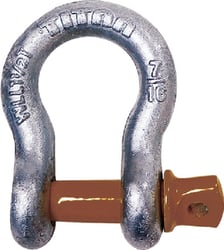
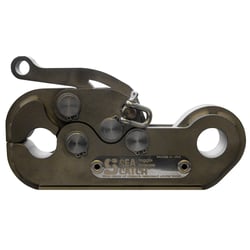
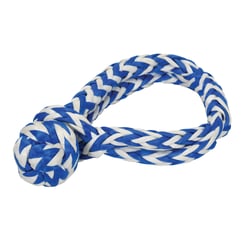

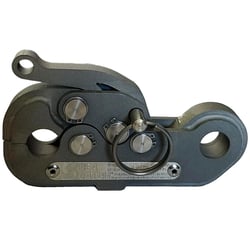
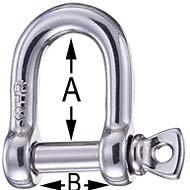 Representative Photo, actual item may vary
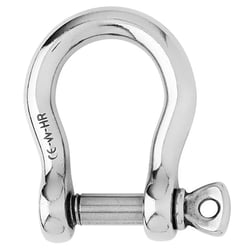
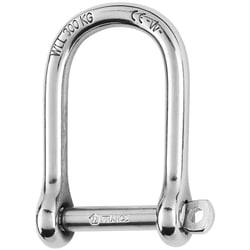
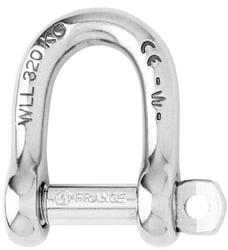
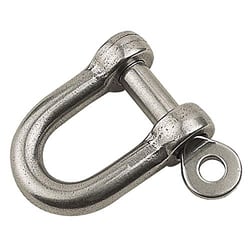
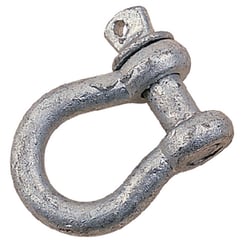
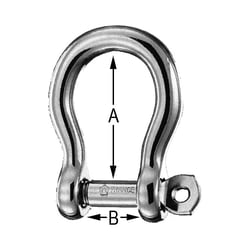
Wichard 11247W HR Bow Shackle 16mm Diameter 5/8" High-Resistance Stainless Steel
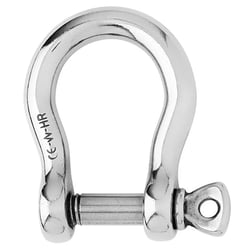
Wichard 11240W HR Bow Shackle High-Resistance Stainless Steel Shackles - 14mm 35/64
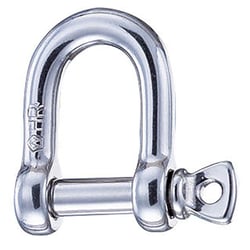
Wichard 11209W HR D Shackle 20mm High-Resistance Stainless Steel Marine Shackle
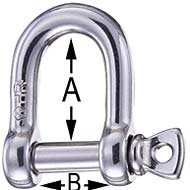 Representative Photo, actual item may vary
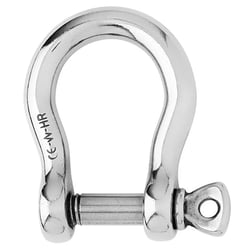
Wichard 11249W HR Bow Shackle High-Resistance Stainless Steel Shackles - 24mm 15/16
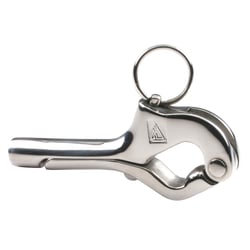
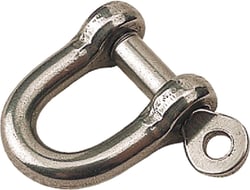
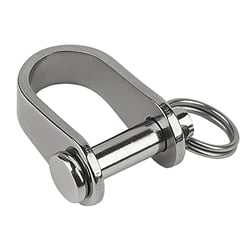
What Are Shackles and Why Do They Matter?
Shackles are one of the most fundamental pieces of hardware in rigging, anchoring, and recovery work. Shackles are U-shaped metal or synthetic connectors secured with a clevis pin or bolt, and they serve as the critical link between chains, ropes, anchors, and attachment points across a wide range of applications — from anchoring a boat to recovering a stuck truck to securing gear on an RV. Choosing the right shackle for the job is not simply a matter of convenience; it is a matter of safety.
Types of Shackles and How to Choose
Shackles come in several common forms, each designed for specific load orientations and use cases:
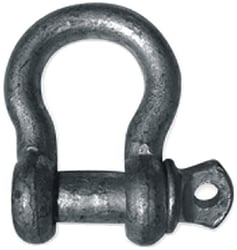
- Bow (Anchor) Shackles — Feature a larger, rounded "O"-shaped loop that can accept loads from multiple directions without developing excessive side load. These are the standard choice for anchoring systems where chain meets anchor.
- D-Shackles (Chain Shackles) — Narrow, D-shaped shackles best suited for in-line loads. They are extremely common and form the basis for most other shackle designs.
- Screw Pin Shackles — Use a threaded pin closure for easy installation and removal, making them ideal for applications that are frequently connected and disconnected.
- Soft (Synthetic) Shackles — Made from high-strength synthetic fiber, these lightweight shackles float on water, will not rust, and store a fraction of the energy of metal shackles in a failure scenario — a major safety advantage in recovery applications.
When selecting a shackle, always match or slightly exceed the diameter of the chain being used, and verify that the shackle's Working Load Limit (WLL) aligns with the total load requirements of your system. When in doubt, size up to maintain an appropriate safety margin.
Material Matters: Galvanized, Stainless Steel, and Alloy
The material of a shackle determines both its strength and its suitability for different environments. Galvanized shackles offer corrosion resistance at an accessible price point, making them a practical choice for freshwater and general marine use. Stainless steel shackles resist rust and are well-suited to saltwater environments, though standard alloy steel shackles can offer roughly twice the working load of comparable stainless models. For extreme off-road and recovery use, high-strength synthetic materials like UHMPE (ultra-high-molecular-weight polyethylene) now rival and exceed steel in breaking strength while remaining lightweight and safe.
Top Shackle Brands
HWH is a well-respected name among RV owners, offering a broad selection of shackles and hardware engineered to meet the demands of RV leveling, anchoring, and rigging systems. With 15 products in this category, HWH provides one of the widest shackle assortments available for the RV market.
Bubba Rope is famous in the off-road and recovery community as the originator of the kinetic energy recovery rope, and their Gator-Jaw® soft shackles are a natural complement to that legacy. Constructed from Plasma® UHMPE fiber, these synthetic shackles are lighter than steel, float on water, and deliver impressive breaking strengths — making them a go-to for serious off-road recovery and marine use alike.
Factor 55 has built a reputation among overlanding and off-road enthusiasts for precision-engineered recovery hardware, including shackles designed to interface cleanly with winch lines and recovery straps for maximum load efficiency and safety.
Ronstan is a trusted name in performance sailing hardware, and their marine-grade shackles reflect decades of experience building hardware that performs reliably under the dynamic loads found on sailboats and working vessels in demanding offshore conditions.
Columbus McKinnon brings deep expertise in industrial rigging and lifting hardware to the marine and RV shackle market. Their products are engineered with rigorous load-rating standards drawn from professional lifting applications, making them a dependable choice when the highest confidence in rated capacity is required.