



Pedestals - Taper Lock
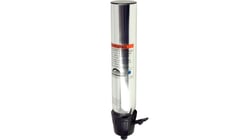
Springfield Marine 1600610 Taper-Lock 2-3/8" Fixed Height 13" Seat Pedestal Post

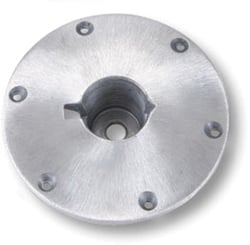
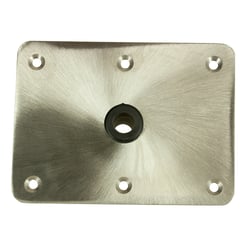
Springfield Marine 1620004 KingPin Standard Rectangular Stainless Steel Base 6x8 Satin Finish
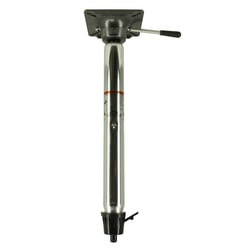
Springfield Marine 1602016 Taper-Lock Power-Rise Stand-Up Seat Pedestal 2-3/8" Brite Dip
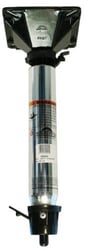
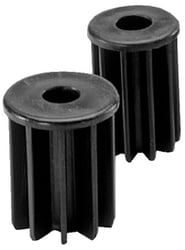
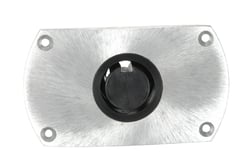
Springfield Marine 3300750-D1 Plug-In Double Flatside Seat Pedestal Base 2-3/8 Inch
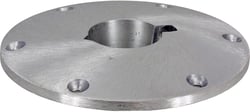
 Representative Photo, actual item may vary
Attwood Marine 278AOGY090-1 278 Pro Series Fixed Height Boat Seat Pedestal Base 9-Inch Gray

A boat seat is only as secure as the hardware beneath it. Taper-lock pedestals are one of the most widely used seat-mounting systems in recreational and fishing boats. They pair a fixed base on the deck with a removable post that carries the seat. This lets you raise, lower, rotate, or remove seating without tools. If you are refitting a bass boat, setting up a skiff for fishing, or replacing a worn post on a pontoon or utility boat, understanding how taper-lock pedestals work will help you choose parts that fit and last.
How a Taper-Lock Pedestal System Works
The system has two main parts. The base is fastened to the deck or seat platform. The post fits into the base with a tapered connection, and a composite bushing gives a snug, low-play fit. Because the post simply drops into the base, one seat can be moved between several bases around the boat. Casting decks, driving stations, and bow positions can all share the same seat. The post's diameter is a key spec. The common size for this system is 2-3/8 inches, and posts must be matched to a taper-lock base to work properly.
What to Consider When Shopping
- Post height: Fixed-height posts, often around 13 inches, are simple and strong. Adjustable sit-down and stand-up posts let you change seat height for comfort, visibility, or casting.
- Locking or non-locking: Locking designs use a cam or tab mechanism that keeps the post from spinning or lifting out while trailering or running in rough water. Non-locking posts are easier to remove and reposition.
- Swivel: A 360-degree swivel lets you turn toward the water, the console, or your fishing partner. Some packages include the post and swivel together, so check what is supplied.
- Base size and finish: Bases come in different heights and finishes, so match the look and clearance to your deck layout. A base is often sold separately from the post.
- Materials and finish: Anodized or brite-dipped aluminum resists corrosion in freshwater and saltwater. Die-cast aluminum parts with protective coatings are also used on adjustable models.
Top Brand in Taper-Lock Pedestals
Springfield Marine is the name most closely associated with the taper-lock design. The company's system is used by many boat builders, and its lineup covers 13-inch fixed-height posts, locking sit-down posts with adjustable height, power-rise models, and 9-inch bases. Springfield's pedestals are commonly finished in brite dip or anodized aluminum for corrosion resistance, and many are backed by a multi-year warranty. Because the posts are designed to fit any taper-lock base, you can upgrade or replace one component without redoing the whole installation.
Maintenance and Replacement Tips
Over time, bushings can wear and posts can pick up salt, sand, or grit. That can cause rattling or sticking. Rinse the post and base after saltwater use. Check the bushings periodically and replace them if the post wobbles in the base. Make sure mounting hardware is tight and that the deck or seat platform underneath is solid, since even a high-quality pedestal cannot compensate for a weak mounting surface. When upgrading, confirm that the new post diameter and base type match your existing hardware.
Whether you want a simple fixed-height setup or an adjustable, swiveling seat for long days on the water, taper-lock pedestals offer a proven, flexible way to mount boat seating. Browse the selection above to find the post, swivel, or base that suits your boat.