



Underwater Lights
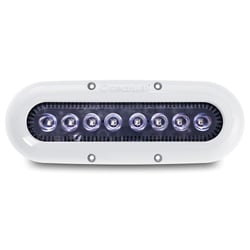
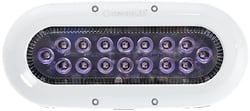

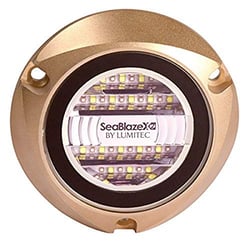
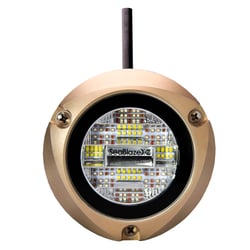
Lumitec 101516 SeaBlaze X2 Underwater LED Light White/Blue Dual Color Bronze Bezel



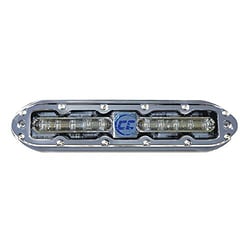
Shadow-Caster SCM-10-EXT-CC-20 Color Changing Underwater LED Light 42W 3750 Lumens

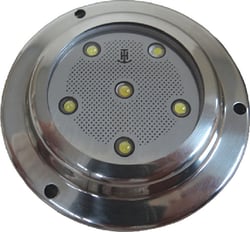
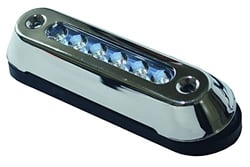
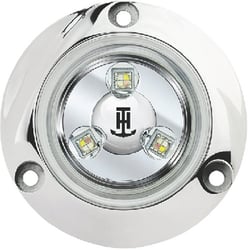
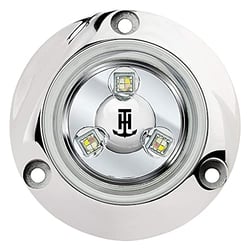
T-H Marine LED-39061-DP Premium Underwater LED Light - 6 LEDs Surface Mount
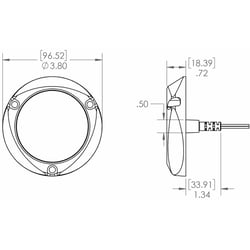
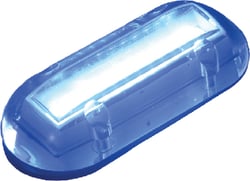
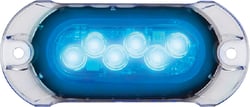

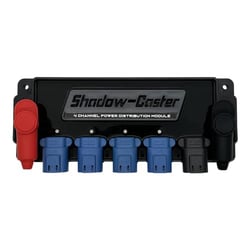
Shadow-Caster SCM-PD4CH 4-Channel Marine Underwater Light Power Distribution Module
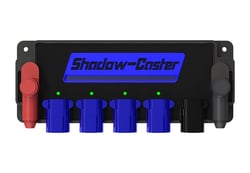
Shadow-Caster SCM-PDCH4 4-Channel Power Distribution Module for LED Lighting
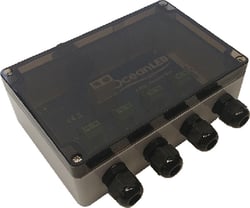
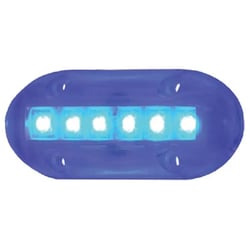
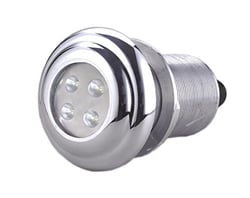


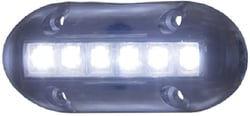
T-H Marine LED51866DP High-Intensity LED Underwater Light - 6 White LEDs, 180 Lumens, Surface Mount
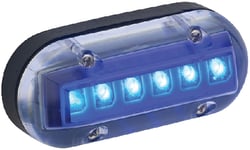

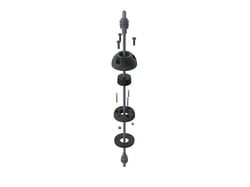

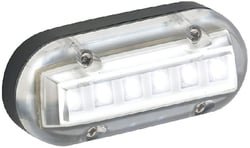
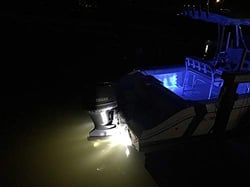

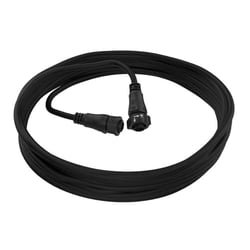

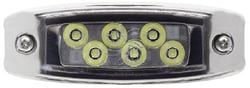

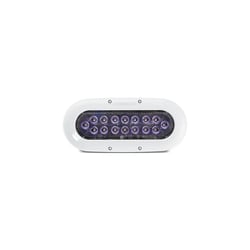
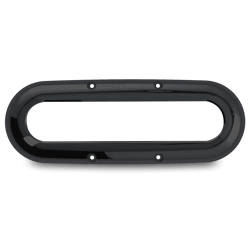
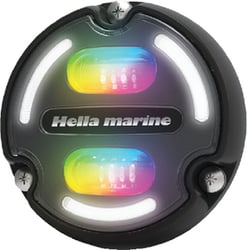

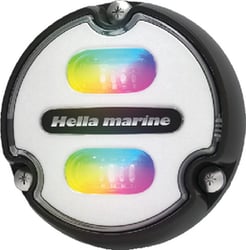
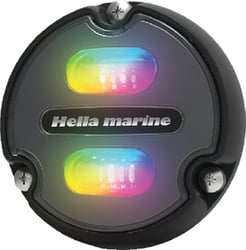
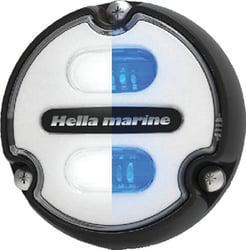
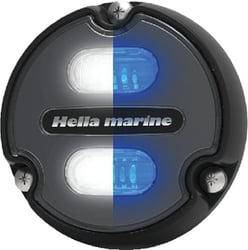
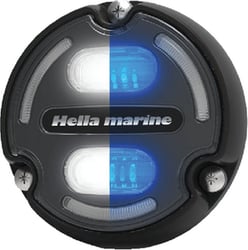
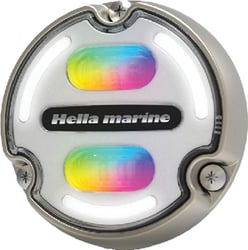
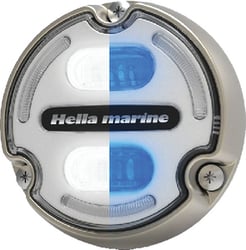
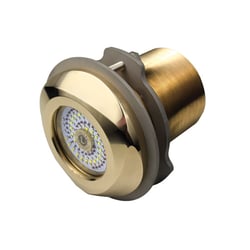
Lumitec 101448 Seablaze Typhoon Dual-Color Surface Mount Underwater Light White/Blue
 Representative Photo, actual item may vary
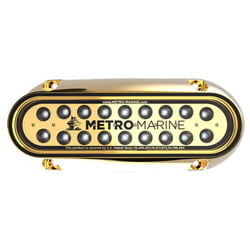
Metro Marine F-BME1-H-A3-45 High-Output Elongated Underwater LED Light Aqua - 45
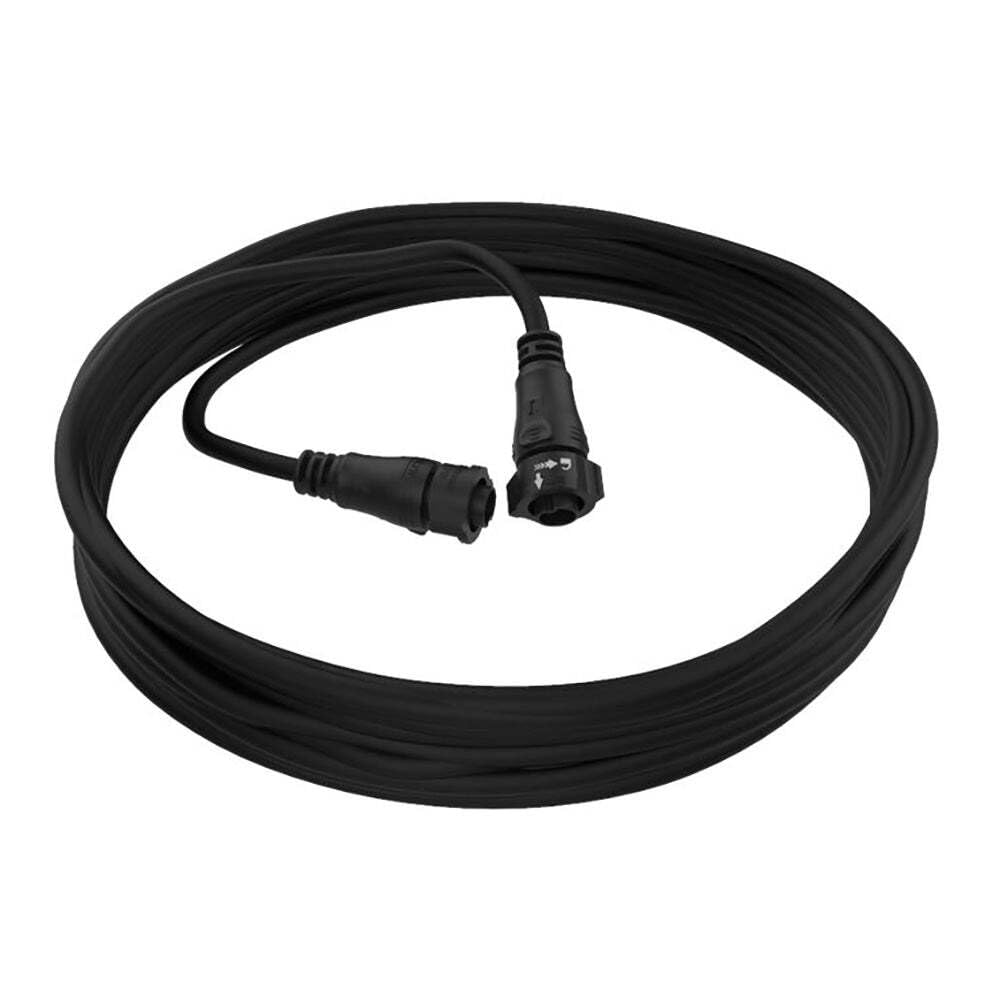 Representative Photo, actual item may vary
Metro Marine F-BME1-H-B3-90 High-Output Elongated Underwater LED Light Blue 90° Beam
Metro Marine F-BME1-H-B3-45 High-Output Elongated Underwater LED Light Blue 45° Beam
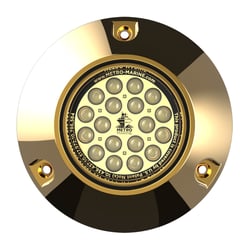
Metro Marine F-BMR1-W3-45 High-Output Submersible Underwater LED Light White 45° Beam
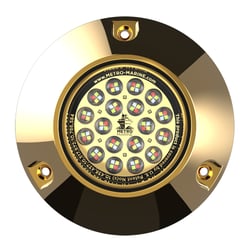
Metro Marine F-BMR1-FS-90 Submersible Underwater LED Light RGBW 90° Beam
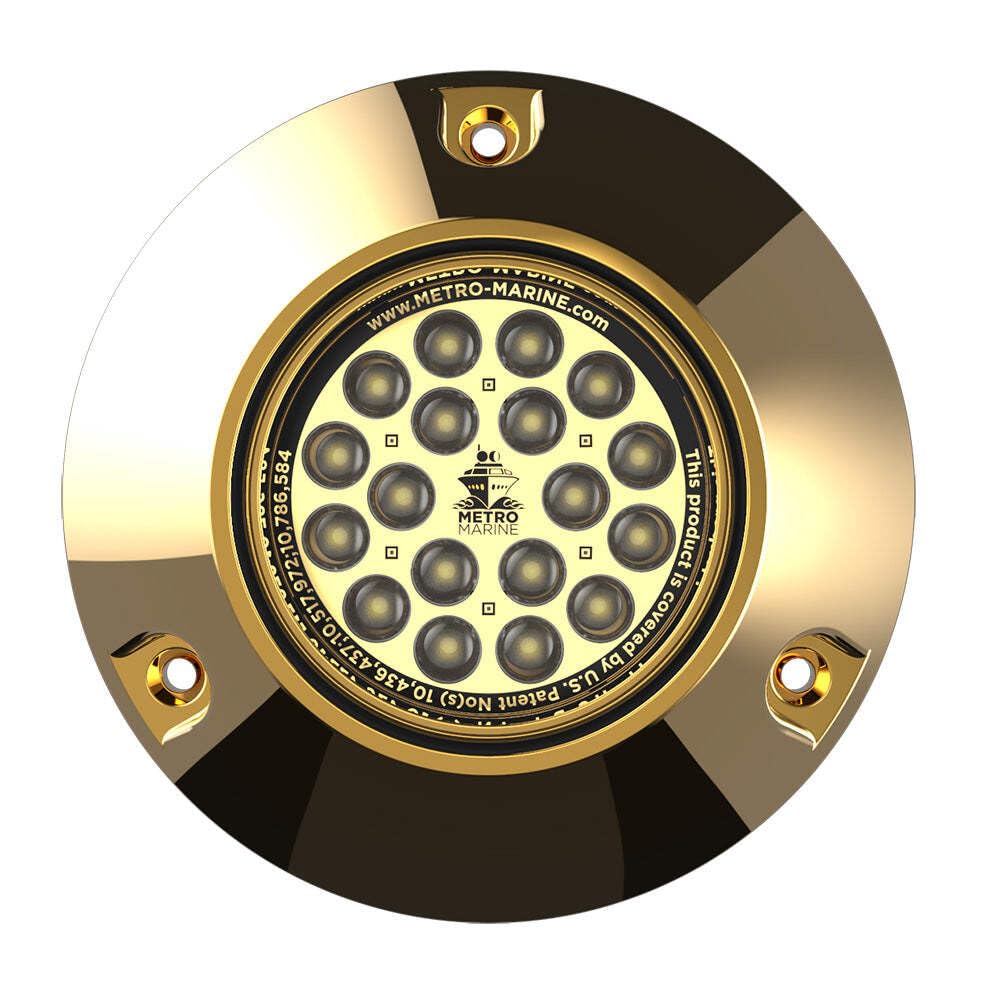 Representative Photo, actual item may vary
Metro Marine F-BME1-H-W3-90 High-Output Underwater Light White LED 90° Beam
Metro Marine F-BME1-H-W3-45 High-Output Elongated Underwater LED Light White 45° Beam
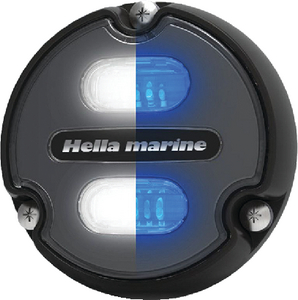 Representative Photo, actual item may vary
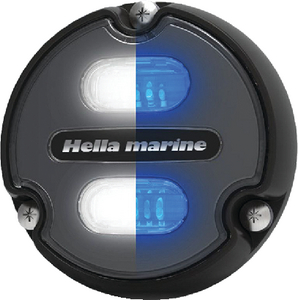 Representative Photo, actual item may vary
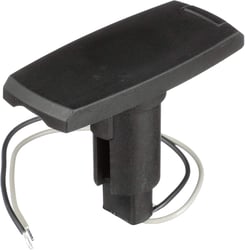
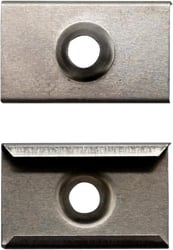
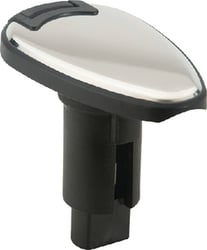
Attwood Marine 910V2PB-7 LightArmor Plug-In Light Base 2-Pin Black Rectangular
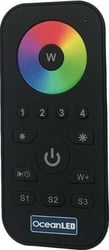
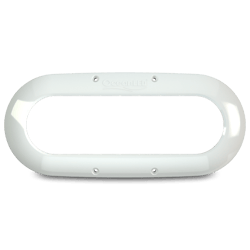
OceanLED PLS000017 X-Series Replacement Bezel for X16 Underwater Light, Black
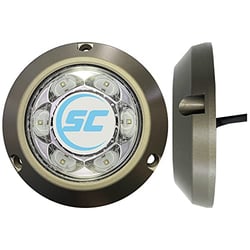
Shadow-Caster LED Lighting SC3-GW-ALSM SC3 Series Underwater Light Great White
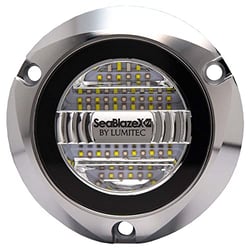
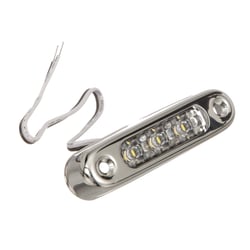
Lumitec 101592 SeaBlazeX2 Underwater LED Light Chrome Bezel Dual Color White/Blue
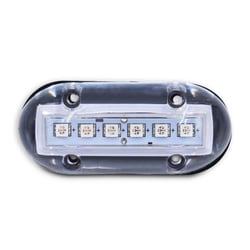
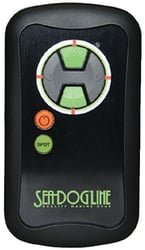

- 1
- 2
Illuminate the Water Beneath You
Underwater lights have become one of the most popular marine electronics upgrades for boaters of every kind — from day-trippers on small center consoles to offshore sport fishers and superyacht owners alike. Mounted below the waterline on the transom or hull sides, these fixtures cast a vivid glow into the water column, transforming a nighttime anchorage or marina slip into a stunning visual experience. But underwater lights aren't just about aesthetics — they serve real, practical purposes that every boater can appreciate.
Why Underwater Lights Matter
The functional benefits of underwater lighting go well beyond good looks. Illuminating the water around your hull makes your vessel more noticeable in low light and helps outline your position when anchored or maneuvering at night, improving overall situational awareness. On the fishing side, the science is straightforward: lights attract plankton, plankton attract baitfish, and baitfish bring in the game fish — making underwater lights a legitimate tool for after-sunset fishing sessions. Whether you're cruising, swimming off the stern, or waiting on a bite, a well-lit hull creates both a safer and more enjoyable environment on the water.
LED Technology: The Modern Standard
Underwater lights designed to be mounted below the waterline were introduced to recreational boating in the early 1990s, originally using halogen bulbs. By the mid-2000s, LED technology began taking over and is now the clear industry standard. The advantages are significant: LED underwater lights draw up to 80 percent less energy from your boat's battery to produce the same brightness as halogen, run far cooler, and last dramatically longer with far less maintenance. Quality LED units are rated to last 30,000–50,000 hours, making them a long-term investment rather than a recurring expense.
Key Features to Evaluate When Shopping
- Lumen Output: Basic lights typically fall in the 500–1,000 lumen range, while serious fishing and visibility applications benefit from 2,000–3,000 lumens or more. Water clarity in your area matters — dirtier water requires more output for effective light penetration.
- Color Options: Single-color models (white, blue, and green are most popular) offer a clean, focused look. RGB and RGBW options allow full-spectrum color customization, dynamic light shows, and even music synchronization via controllers or smartphone apps.
- Housing Material: Marine-grade bronze, 316 stainless steel, and high-impact polymers are the three primary housing materials. Bronze naturally resists marine growth and is preferred for boats kept in saltwater for extended periods. Stainless steel and polymer are excellent choices for boats that are regularly trailered or stored out of the water.
- IP Rating: Look for an IP68 rating at minimum, which confirms the fixture is fully sealed for continuous underwater submersion. Higher-rated IP69K fixtures provide additional protection against pressure changes and prolonged exposure.
- Electrical Protections: Quality underwater lights include safeguards against transient voltage spikes, overheating (thermal throttling), and reverse polarity — the three most common causes of premature LED failure in marine electrical systems.
- Mounting Style: Thru-hull lights offer the cleanest appearance and widest beam options but require drilling through the hull. Surface-mount lights attach directly to the transom with minimal hull penetration, while some models are designed to integrate directly with trim tabs.
- Beam Angle: A wider beam covers more area with fewer lights. A narrow beam creates a spotlight effect suited for targeting specific areas. Most transom setups benefit from wide-angle fixtures that provide even coverage across the full beam of the boat.
Choosing the Right Setup for Your Vessel
Smaller boats under 25 feet can often achieve excellent results with just two transom-mounted lights, while larger vessels and those with multiple outboard motors typically benefit from three or more lights to eliminate shadows and provide even illumination. Boats with wide swim platforms also need additional output, since the platform naturally blocks the first several feet of light behind the transom. Whether you're outfitting a small bay boat or a large cruiser, there's an underwater lighting solution engineered to fit your hull, your electrical system, and your time on the water.