



Oil Pumps
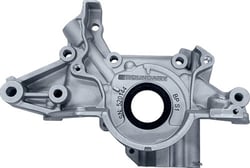

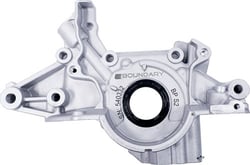
 Representative Photo, actual item may vary

What Is an Engine Oil Pump and Why Does It Matter?
The oil pump is one of the most critical components in any internal combustion engine. Its job is straightforward but vital: draw engine oil from the sump and pressurize it so it can flow to every bearing, journal, camshaft lobe, and moving part inside the engine. Without adequate oil pressure, metal-to-metal contact occurs within seconds — and catastrophic engine damage follows shortly after. Whether you're doing a routine engine rebuild, replacing a worn pump on a high-mileage vehicle, or building a performance engine that demands more flow and pressure, choosing the right oil pump is not a decision to take lightly.
Types of Oil Pumps
Most modern engines use one of two primary oil pump designs: the gear-type pump and the gerotor pump. Gear pumps use two meshing gears to move oil, while gerotor pumps use an inner and outer rotor with an off-center design that creates smooth, efficient flow. Both styles are available in standard volume/pressure configurations for stock rebuilds, as well as high-volume and high-pressure variants for performance and modified engines.
- Standard replacement pumps restore factory oil pressure specs and are ideal for street engines being returned to OEM condition.
- High-volume pumps increase oil flow output — useful for engines with worn bearings, increased bearing clearances, or external oil system components like remote coolers.
- High-pressure pumps use a stiffer relief valve spring to maintain higher operating pressure at elevated RPM, benefiting performance builds that rev well beyond stock limits.
What to Consider When Shopping for an Oil Pump
Matching the pump to the engine's actual needs is essential. An engine that has been bored, stroked, or fitted with wider bearing clearances will benefit from a high-volume pump to fill those clearances properly. On the other hand, a stock-clearance rebuild generally does not need a high-pressure pump — over-pressurizing a standard engine can actually rob horsepower and stress the pump drive shaft. Always verify fitment by engine family and displacement, and consider replacing the pickup tube and screen at the same time to protect the new pump from debris contamination.
Top Oil Pump Brands
Melling is the benchmark name in aftermarket oil pumps. Founded in 1946 specifically as a supplier of replacement oil pumps, Melling has spent decades refining its engineering for both OEM-replacement and performance applications. Every pump is individually tested for pressure and flow under simulated engine conditions, and the Melling Select performance line offers billet aluminum and cast iron options for high-demand builds.
Genuine oil pumps represent direct OEM-sourced or OEM-equivalent replacements, making them a go-to choice for owners who want to restore their engine to factory specifications with confidence in exact fit and factory-calibrated performance.
ACL Bearings brings its precision engineering heritage to the oil pump category. Well respected among engine builders for tight manufacturing tolerances, ACL is a trusted choice when a complete bottom-end rebuild demands consistent quality across every internal component.