



Oxygen Sensors
 Representative Photo, actual item may vary

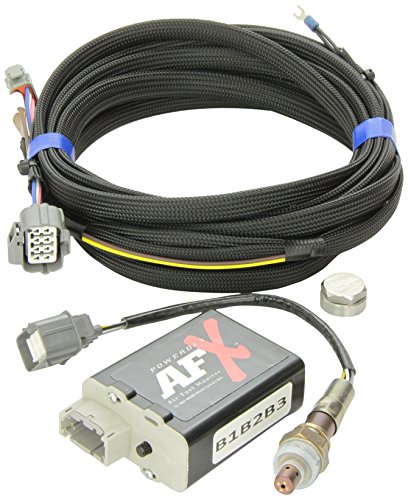 Representative Photo, actual item may vary
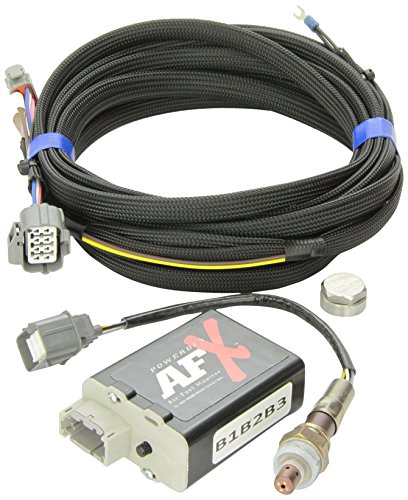 Representative Photo, actual item may vary
 Representative Photo, actual item may vary
What Are Oxygen Sensors and Why Do They Matter?
Oxygen sensors — commonly called O2 sensors or lambda sensors — are small but critically important components in every modern internal-combustion vehicle. Oxygen sensors are located in the exhaust system and have one fundamental job: to measure the concentration of oxygen in exhaust gases and relay that information to the engine's computer in real time. That constant data stream is what allows your engine to breathe efficiently and burn cleanly.
Specifically, the sensor compares oxygen levels in the exhaust against ambient air and generates a voltage signal. The Engine Control Unit (ECU) reads that signal to determine whether the air-fuel mixture is running rich (too much fuel) or lean (too much air), then adjusts fuel delivery accordingly. The target is the stoichiometric ratio of approximately 14.7 parts air to 1 part fuel — the sweet spot for complete combustion, maximum efficiency, and minimal harmful emissions.
Upstream vs. Downstream: Understanding Sensor Placement
Most modern vehicles carry at least two oxygen sensors per exhaust bank. The upstream sensor (before the catalytic converter) is the primary feedback device — it fine-tunes the air-fuel mixture with every combustion cycle. The downstream sensor (after the catalytic converter) monitors the converter's efficiency and helps the ECU confirm that exhaust gases are being properly treated before leaving the tailpipe. On V6 and V8 engines with dual exhaust banks, you may have three or four sensors in total.
Signs of a Failing O2 Sensor
Because the ECU relies so heavily on O2 sensor data, a failing sensor can trigger a cascade of drivability and emissions issues. Common symptoms include:
- Illuminated Check Engine light (often fault codes P0130–P0167)
- Decreased fuel economy due to over-fueling
- Rough idle, engine misfires, or hesitation under load
- Failed emissions inspection
- Potential damage to the catalytic converter from prolonged rich running
Unlike filters or spark plugs, O2 sensors don't follow a fixed replacement interval — they're replaced on condition. Most modern heated sensors are designed to last around 100,000 miles, but contaminants like coolant, engine oil, or carbon deposits can shorten their lifespan considerably.
What to Look for When Buying an Oxygen Sensor
When selecting a replacement O2 sensor, the most important factor is application-specific fitment. Sensors are engineered for specific positions (upstream or downstream), wiring harness connectors, and signal characteristics required by the vehicle's ECU. Using the wrong sensor can produce incorrect voltage signals and trigger persistent fault codes. Always verify compatibility by vehicle year, make, model, and engine — and choose a sensor that meets or exceeds OEM specifications for signal accuracy and durability.
Top Oxygen Sensor Brands
Walker Products has been a trusted name in engine management sensors since 1946, and their oxygen sensor lineup reflects that long heritage of engineering precision. Walker engineers each sensor to be an application-specific OEM replacement, with a zirconia ceramic element coated in gas-permeable platinum electrodes and a protective porous ceramic layer that resists contamination from combustion residue and exhaust particulates — ensuring consistent signal accuracy over the long haul.