



Battery Boxes & Trays
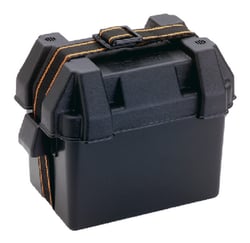

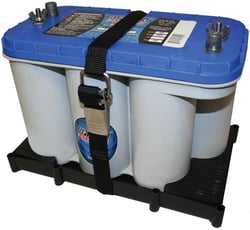


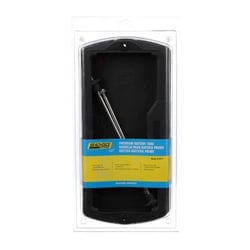
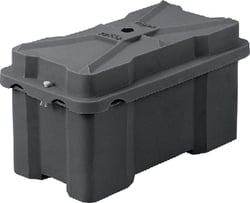

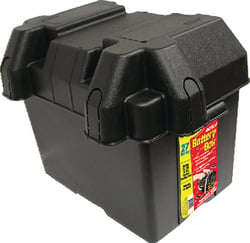
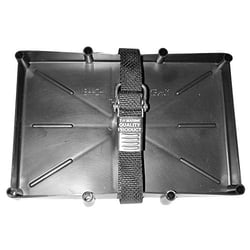
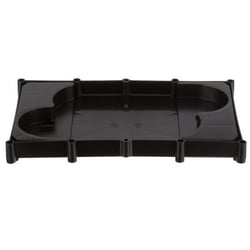
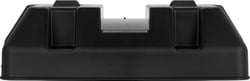
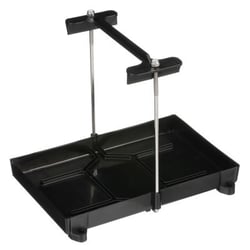
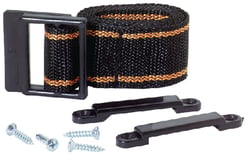
T-H Marine NBH31SSCDP Battery Holder Tray with Stainless Steel Strap for Series 29/31
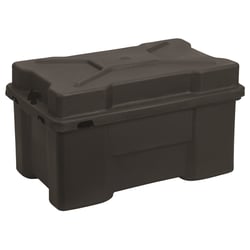
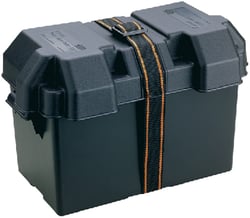
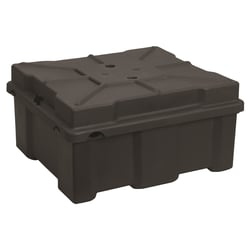
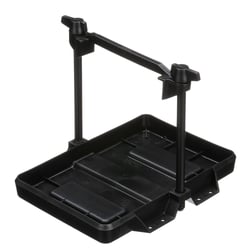
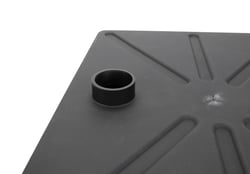

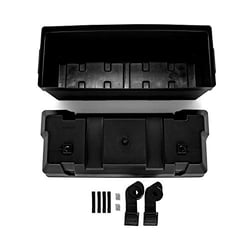
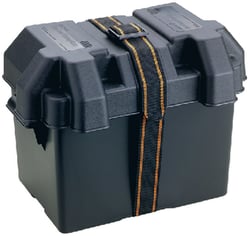
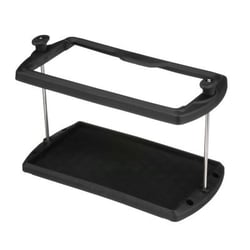
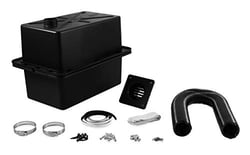
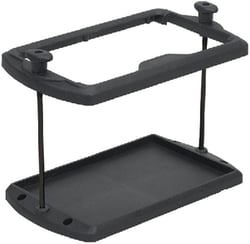
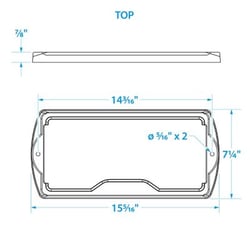
Seachoice 21991 Premium Battery Tray with Stainless Steel Hardware - Group 29 Series

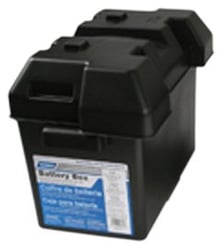
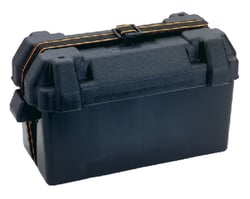
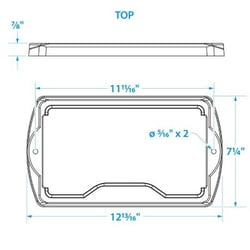

Why Battery Boxes & Trays Matter for RVs and Boats
Whether you're cruising open water or rolling down a mountain highway in your RV, your battery is the backbone of every onboard electrical system — lighting, navigation, appliances, and more. Yet one of the most overlooked components in any RV or marine electrical setup is how that battery is actually held in place. Battery boxes and trays are the unsung heroes that keep your power source secure, protected from the elements, and functioning reliably mile after mile and wave after wave.
A battery that shifts out of position can stop functioning entirely. On a boat, rough water can send an unsecured battery sliding across a compartment, damaging terminals, cracking casings, or worse. On an RV, the constant vibration of road travel gradually loosens connections and accelerates wear. Battery boxes and trays solve these problems by anchoring the battery firmly in place, preventing movement, and in many cases shielding it from moisture, heat, and corrosive gases.
Battery Boxes vs. Battery Trays: What's the Difference?
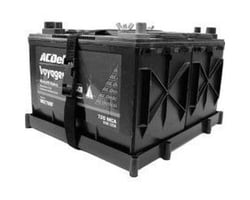
Understanding the distinction between these two product types helps you make the right choice for your application. Battery trays are open-platform mounts — typically made from steel or aluminum — that cradle the battery from below and secure it with straps or hold-down hardware. They take up minimal space, allow easy access to terminals, and are well-suited for enclosed battery compartments where the surrounding structure provides additional protection.
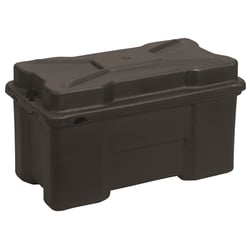
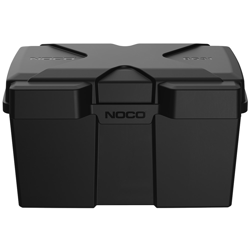
Battery boxes, on the other hand, fully enclose the battery within a lidded container. This design is ideal when the battery is exposed to the elements or located in areas where acid containment is a concern. Many quality battery boxes feature vented designs to allow proper gas dissipation — an important safety consideration for traditional lead-acid batteries. Premium options go further, incorporating lockable lids to deter theft, UV-resistant materials for outdoor durability, and even built-in solar panels to maintain charge during off-season storage.
Key Features to Look for When Shopping
- Material: Heavy-gauge aluminum resists corrosion and withstands the marine environment far better than standard plastic options, though quality polypropylene boxes offer lightweight, acid-resistant protection for budget-conscious builds.
- Ventilation: Proper venting is critical for conventional lead-acid and AGM batteries, which can emit hydrogen gas during charging. Look for boxes with dedicated vent ports or vented designs.
- Battery Group Size Compatibility: Most trays and boxes are sized for standard group sizes (Group 24, 27, 31, etc.). Confirm compatibility before purchasing.
- Mounting System: Evaluate how the tray or box mounts to your vessel or vehicle. Pre-drilled mounting holes, bolt-through designs, and no-drill hitch-mounted options each offer different installation trade-offs.
- Security: For RVs and boats stored outdoors, a lockable battery box is an effective deterrent against increasingly common battery theft.
Top Brands in Battery Boxes & Trays
When it comes to purpose-built, premium battery containment solutions for RV and marine use, Torklift International stands in a class of its own. Their PowerArmor line of locking aluminum battery boxes is engineered specifically to prevent theft and protect expensive battery investments, and every unit is proudly made in the USA and backed by a Legendary Lifetime Warranty. For RV enthusiasts seeking both security and convenience, Torklift's lineup — including the PowerArmor Solar and HiddenPower under-vehicle mount — represents some of the most innovative battery storage solutions on the market.