



Battery Cable
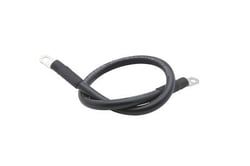

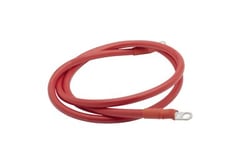
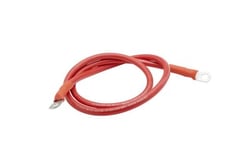
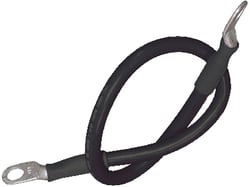
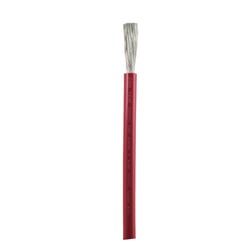
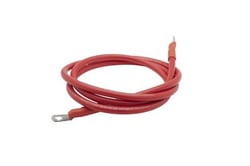
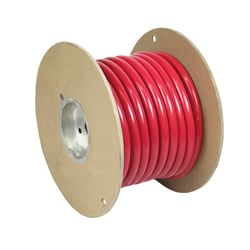
Ancor 1195-FT Marine Grade Red 4/0 AWG Battery Cable - Tinned Copper (Per Foot)

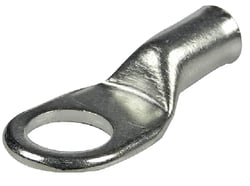

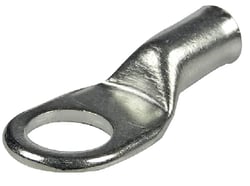
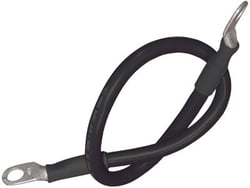
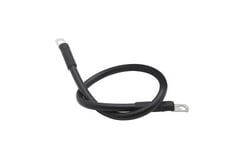
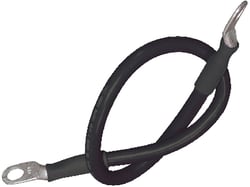

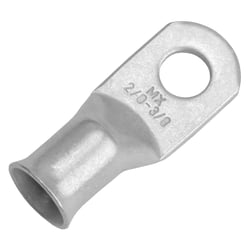
Pacer Performance TAE2/0-38R-2 Tinned Copper Battery Cable Lug 2/0 AWG 3/8" Stud 2-Pack
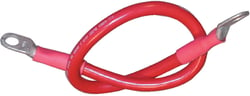
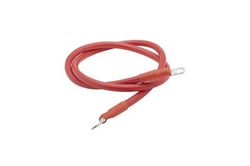
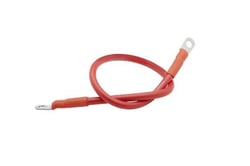
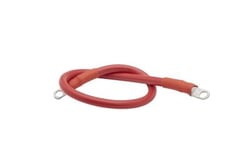
Ancor 189135 Marine Grade Tinned Copper Battery Cable Assembly 4 AWG 32 Inch Red
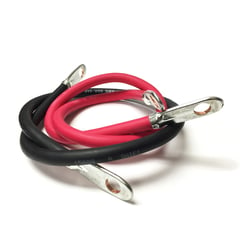

- 1
- 2
Why Battery Cables Matter in RV and Marine Applications
Battery cables are the unsung heroes of any RV or marine electrical system. These heavy-gauge conductors carry the high-amperage current that starts engines, powers trolling motors, runs inverters, and keeps onboard electronics alive. In automotive or land-vehicle use, a corroded or undersized cable is an inconvenience. On a boat or in an RV, it can mean being stranded on open water or a remote campsite with no power — and in worst-case scenarios, a corroded connection generating heat can become a fire hazard. Choosing the right battery cable from the start is one of the most important electrical decisions you can make for your vessel or rig.
What to Look for When Shopping Battery Cables
Not all battery cables are created equal, and the marine and RV environments are uniquely demanding. Exposure to moisture, salt spray, vibration, and wide temperature swings can degrade inferior cables quickly. Here are the key factors to evaluate:
- Wire Gauge (AWG): Heavier loads require lower AWG numbers (thicker wire). Engine starting cables typically run 1/0 to 2 AWG, while accessory runs may use 4 or 6 AWG. Always match gauge to the amperage demands of your application.
- Conductor Material: Tinned copper conductors resist corrosion far better than bare copper in wet environments, making them the preferred choice for marine use.
- Terminal Construction: Look for soldered lug terminals rather than crimped-only ends — soldering creates a gas-tight connection that resists moisture intrusion and corrosion over time.
- Jacket Material: A durable PVC or marine-rated jacket protects the conductor from abrasion, UV exposure, and chemical contact common in bilges and engine compartments.
- Length: Pre-made cables come in standard lengths (typically 2–8 feet), so measure your battery-to-starter or battery-to-terminal run carefully before ordering.
Top Brands in RV & Marine Battery Cables
Standard Motor Products brings over a century of electrical expertise to battery cable manufacturing. Founded in 1919 as a specialist in ignition and electrical parts, SMP has grown into one of the most recognized names in the aftermarket, earning multiple supplier-of-the-year awards from major distributors. Their battery cables reflect the same commitment to fit, form, and function that professional technicians have relied on for decades.
Sierra is a dedicated marine aftermarket brand with a strong reputation among boaters and marine mechanics. Sierra's battery cables are purpose-built for the marine environment, featuring marine-grade construction with soldered lug terminals designed to accept standard 3/8" studs and a color-coded PVC jacket for easy positive/negative identification — exactly what you want when working in a cramped engine compartment.
For boaters who prefer factory-spec parts, Genuine OEM battery cables deliver the precise fit and specifications engineered for your specific engine or vessel, ensuring that critical electrical connections meet the original design standards without any guesswork.
Proper Care and Installation Tips
Even the best battery cable will fail prematurely without proper installation. Always clean and inspect battery terminals before connecting new cables, apply a corrosion-inhibiting grease or terminal protector spray after installation, and route cables away from sharp edges or hot surfaces. Inspect cables at the start of every season — a cracked jacket or green-tinged terminal is your signal that replacement is overdue. In a marine environment especially, proactive maintenance on your battery cables can mean the difference between a great day on the water and a long tow back to the dock.