



Creme Hardeners


What Are Creme Hardeners and Why Do They Matter?
Creme hardeners are the unsung heroes of any marine or RV fiberglass repair job. These benzoyl peroxide-based catalysts are blended directly into polyester body fillers and putties to trigger a chemical curing reaction — transforming a soft, workable compound into a hard, durable, sandable surface. Without the right hardener, even the best body filler stays permanently tacky and structurally useless.
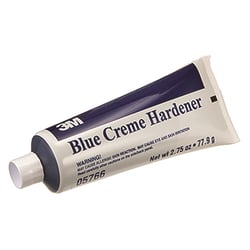
Creme hardeners differ from liquid MEKP hardeners in both consistency and application. Their thick, paste-like texture makes them easier to dispense accurately, and their non-separating formula ensures consistent mixing into fillers and putties. The visible color contrast — typically available in red, blue, or white — acts as a visual mixing indicator, so you can see exactly when the material is thoroughly blended and ready to apply.
Where Creme Hardeners Are Used
In the RV and marine world, creme hardeners are primarily paired with polyester body fillers to repair fiberglass hulls, decks, cabins, and other composite surfaces. Whether you're addressing stress cracks on a boat hull, filling gouges in a fiberglass RV sidewall, or rebuilding a damaged gelcoat surface, creme hardeners are the critical catalyst that sets the clock ticking on cure time.
- Marine hulls and decks: Saltwater exposure and impact damage can leave gelcoat and fiberglass in need of filler-based repairs. Creme hardeners cure these compounds solidly so repairs can be sanded, primed, and refinished.
- RV fiberglass panels: Road vibration and weathering cause cracks and chips in RV exteriors. A properly catalyzed filler bonds durably to the damaged area.
- General fiberglass fabrication: Specialty fillers used to form, reshape, or reinforce components also rely on creme hardeners for an even, predictable cure.
Key Considerations When Shopping for Creme Hardeners
Getting the hardener-to-filler ratio right is essential. Too little hardener and the filler won't cure fully; too much can cause the mixture to set before you've had time to apply and shape it. Always follow the manufacturer's recommended mix ratio for the specific filler you're using. Temperature also plays a significant role — cure times are affected by both the hardener volume and ambient application temperature, so working in a cool environment may require slight ratio adjustments.
It's also worth matching your hardener color to your workflow. Lighter-colored hardeners (white or blue) are often preferred when working with light-tinted or white fillers, since they leave less visible streaking if not mixed thoroughly.
Top Brands in Creme Hardeners
Evercoat is the dominant name in this category for good reason. Founded in 1953 as Fibre-Glass Evercoat, the brand got its start developing fiberglass repair formulations specifically for the marine market — making marine-grade creme hardeners core to its DNA from day one. Today, as part of Illinois Tool Works (ITW), Evercoat is recognized as the number-one preferred putty and filler brand in North America, trusted by professional collision and marine repair shops alike. Their creme hardeners are formulated for use with their full range of premium, lightweight, and specialty fillers, delivering consistent, non-separating performance from tube to repair surface.