



Creme Hardeners


Essential Catalysts for Body Filler Success
Creme hardeners are the critical catalyst component in two-part automotive body filler systems, initiating the chemical reaction that transforms soft polyester putty into a rock-hard, sandable surface. Without the proper hardener mixed in the correct ratio, even the highest-quality body filler won't cure properly, leaving you with a tacky, unusable mess that can't be sanded or painted. Understanding how these hardeners work and selecting the right product for your repair project is essential for achieving professional-grade bodywork results.
How Creme Hardeners Work
These cream-based catalysts contain peroxide compounds that trigger the polymerization process in body filler resins. When mixed thoroughly with the base filler material—typically at a ratio of 2-3% hardener by volume—the chemical reaction generates heat and causes the mixture to cure within minutes. The working time varies based on temperature and the amount of hardener used, giving technicians control over their repair timeline. Too little hardener results in incomplete curing and a weak repair, while too much can cause the filler to cure too quickly, crack, or become brittle over time.
Critical Factors in Hardener Selection
The quality of your creme hardener directly impacts the strength, durability, and workability of the final repair. Fresh hardener ensures consistent curing times and optimal chemical reaction, while old or contaminated product can lead to unpredictable results. Temperature plays a significant role—warmer conditions accelerate curing while cold weather slows the reaction, requiring technicians to adjust their mixing ratios accordingly. Professional-grade hardeners are formulated to provide a reliable cure across a range of environmental conditions, making them indispensable for both production body shops and DIY enthusiasts tackling collision repair or rust remediation projects.
Trusted Brands for Professional Results
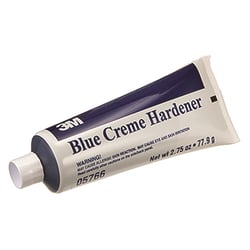
Evercoat has built a stellar reputation in the collision repair industry for their scientifically formulated hardeners that deliver consistent, reliable curing performance across their extensive line of body fillers. Meanwhile, 3M brings their materials science expertise to creme hardeners, offering products engineered for compatibility with their premium body filler systems and trusted by professional refinishers worldwide.
Proper Mixing and Storage
Always dispense hardener onto a clean mixing board and blend thoroughly with the body filler using a spreader, ensuring no streaks of red or cream remain in the mixture. Store hardeners in a cool, dry location away from direct sunlight, and keep tubes tightly sealed between uses to prevent contamination and maintain shelf life. Following these best practices ensures that every repair cures properly, creating a solid foundation for primer and paint that will last for years.