



Dewaxers & Thinners
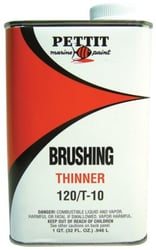

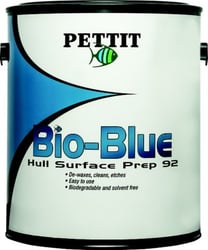
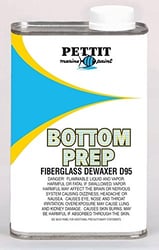
Why Dewaxers & Thinners Are Essential for Marine Paint Jobs
A flawless paint job on any boat or RV starts long before the first brush stroke. Marine dewaxers and thinners are the unsung heroes of a professional-quality finish — without them, even the best topside or bottom paint can fail prematurely, bubble, or peel. Whether you're refreshing faded topsides, applying a new antifouling bottom coat, or laying down epoxy barrier coats, proper surface preparation with the right dewaxers and thinners makes all the difference.
What Dewaxers Do
Fiberglass hulls are notoriously difficult to paint over directly because waxes, polishes, silicones, mold-release agents, and oils all resist paint adhesion. A dedicated dewaxer chemically lifts these contaminants from the surface so that primers and topcoats can bond properly. As any experienced marine painter knows, dewax before you sand — sanding over wax simply drives contaminants deeper into the substrate, creating adhesion problems that are far harder to correct later.
Even trace amounts of wax can cause paint defects like fisheyes and craters. Thorough cleaning with a proper dewaxer is non-negotiable before sanding or priming. Specialized dewaxing solvents are also formulated to evaporate more slowly than generic solvents like acetone, giving them more time to dissolve and lift stubborn residues rather than just pushing them around.
What Marine Thinners Do
Marine paint thinners serve a different but equally critical role: adjusting the viscosity of your paint for smooth, even application. The viscosity of marine paint is critical to a successful finish — too thick and the paint won't apply evenly; too thin and it may dry incorrectly and require re-application. Marine thinners are specifically formulated to be compatible with their companion paints, and different formulations exist for brush application, spray application, epoxy paints, and varying climate conditions.
It is highly recommended to use the thinner specified by your paint's manufacturer. Using the specific thinner or reducer recommended by the paint manufacturer is crucial to maintain the chemical integrity, intended finish, adhesion, and durability of the coating. Using incompatible solvents can cause paint defects or damage the paint system entirely.
Key Considerations When Choosing Marine Dewaxers & Thinners
- Match to your paint system: Always use the thinner recommended by your paint manufacturer for compatibility and best results.
- Application method matters: Brushing thinners and spraying thinners have different evaporation rates — using the wrong one can cause runs, orange peel, or poor flow.
- Climate and temperature: Different thinners are suited for warm or cool climates, affecting how quickly the paint levels and cures.
- VOC regulations: Many thinners and solvents are Volatile Organic Compounds (VOCs) subject to environmental regulations. Low-VOC and VOC-free options are available where required.
- Safety first: Always wear appropriate protective gear, including gloves, safety glasses, and an organic vapor respirator when working with solvents.
Top Brands in Marine Dewaxers & Thinners
Pettit Paint is one of the most trusted names in marine coatings worldwide. As a global market leader in antifouling paints, epoxies, varnishes, and sealants for the marine industry, Pettit's lineup of thinners and dewaxers is engineered to work seamlessly with their full range of marine paints — from bottom paints to topside finishes. Their thinners include purpose-built formulations for brushing, spraying, and epoxy applications, making it easy to find exactly the right product for your project.