



Dewaxers & Thinners
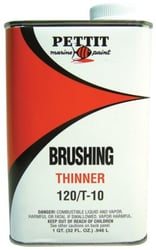

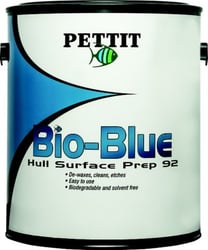
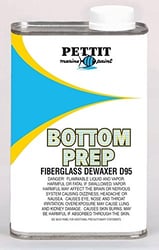
Dewaxers and thinners are essential surface preparation and paint conditioning products used primarily in marine, automotive, and equipment refinishing applications. These solvents remove mold release agents, wax, and contaminants from surfaces like fiberglass and gelcoat, ensuring proper paint adhesion and long-lasting coating performance. Thinners are used to improve the brushing, rolling, or spraying characteristics of paints and make them easier to apply in varying temperature conditions.
Why Surface Preparation Matters
Coating performance is directly proportional to surface preparation—inadequate preparation will lead to inadequate performance. When working with fiberglass hulls, newly molded parts, or any surface that may contain manufacturing residues, dewaxers dissolve and lift contaminants that would otherwise prevent primers and paints from bonding properly. Specialized solvents remove waxes, oil, grease, and other contaminants before applying a coating, which is critical for enhancing paint adhesion, durability, and overall finish quality.
Understanding Thinners and Their Applications
Thinners are designed to reduce the viscosity of paint for easier application, while solvents dissolve and remove existing finishes. The thinner or solvent you select must be compatible with the resin system of the coating you plan to apply—adherence to the manufacturer's recommendations can save you from disastrous results. Different formulations exist for brushing versus spraying applications, with specialized spray thinners containing a blend of solvents with different evaporation rates designed to promote the best spray application properties.
Beyond surface preparation and paint thinning, these products are invaluable for cleaning brushes, rollers, and other painting tools, extending the life of your equipment and ensuring consistent results across multiple projects.
Key Considerations When Shopping
Compatibility is paramount when selecting dewaxers and thinners. Always verify that the product matches your specific paint system—using incompatible solvents can compromise coating integrity, cause adhesion failures, or damage the paint film. Most thinners and solvents are Volatile Organic Compounds (VOCs) subject to environmental regulations, so proper ventilation and safety equipment are essential during use.
For marine applications in particular, proper dewaxing is a multi-step process. Technical specifications often call for washing surfaces multiple times with fresh solvent and clean rags to ensure complete removal of release agents. This attention to detail during prep work directly impacts how well primers and topcoats perform over the life of the vessel.
Top Brands in Dewaxers & Thinners
When it comes to marine-grade surface preparation products, Pettit Paint stands out as a trusted name. Pettit Marine Paint is a manufacturer of marine coatings, antifouling boat bottom paint, varnish and epoxies for consumer and commercial markets, established in 1861. Their high-performance product line includes thinners and dewaxers specifically formulated for marine applications, ensuring compatibility with their extensive range of primers, topcoats, and antifouling systems.