



Emergency Plugs


What Are Marine Emergency Plugs?
No matter how well-maintained your vessel is, unexpected hull breaches, failed through-hull fittings, or hose failures can put you and your crew in danger in seconds. Marine emergency plugs — also called bungs or stopgap plugs — are purpose-built tools designed to be jammed into a leak to slow or stop flooding until you can reach safety or make permanent repairs. Every serious boater treats them as essential safety gear, right alongside life jackets and flares.
Two Main Types: Wood and Modern Foam
Emergency plugs generally fall into two categories, each with distinct advantages depending on the situation:
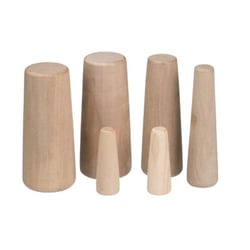
- Traditional wood plugs are tapered, cone-shaped dowels cut from hardwood. They swell slightly when wet, which helps them grip and seal round through-hull openings. A best practice is to tether the correct-size wood plug to each through-hull fitting with a lanyard so it's instantly accessible in an emergency.
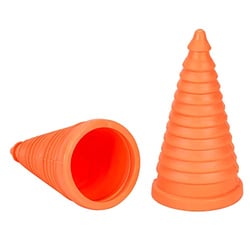
- Modern foam and elastomer plugs, like Forespar's iconic Sta-Plug®, take a different approach. Forespar's soft, cone-shaped design conforms to irregular hull breach shapes that a rigid wood plug simply cannot seal — including elongated tears from impact. Their unique riblet geometry grips the edges of the hole to resist being pushed out by water pressure.
Why Emergency Plugs Belong on Every Boat
A through-hull failure below the waterline can flood a boat faster than most bilge pump systems can handle. Having the right plug within arm's reach buys precious time. Coast Guard safety guidance recommends keeping emergency plugs on board alongside required safety equipment. They are compact, lightweight, and inexpensive relative to the protection they provide — making them one of the highest-value items in any marine safety kit.
What to Look for When Shopping Emergency Plugs
When choosing emergency plugs for your vessel, consider the following:
- Size range: Through-hull fittings vary in diameter. Kits offering an assortment of sizes — typically ranging from ½ inch to 2 inches — ensure you're covered for multiple fittings.
- Material: Wood plugs are time-tested and swell to form a tighter fit. Foam and elastomer plugs handle irregular breach shapes and won't rot, mold, or swell prematurely in storage.
- Visibility: Bright colors help you locate a plug quickly in a dark bilge or chaotic emergency. Look for plugs in high-visibility orange or yellow.
- Storage and mounting: The best plug is the one you can find instantly. Plugs with lanyard holes can be attached directly to fittings or mounted in a grab-and-go location.
Top Brands in Marine Emergency Plugs
Forespar is widely regarded as the leader in modern emergency plug technology. Their Sta-Plug® line features a proprietary foam formulation with edge-gripping riblets that conform to round, oval, or irregular hull breaches — an advancement over traditional straight-edged plugs. The Sta-Plug® meets US Sailing special equipment requirements and is made in the USA.
Seachoice takes a classic approach, offering assorted kits of traditional tapered wood plugs sized from ½ inch to 2 inches. Their budget-friendly multi-packs make it easy to stock your vessel with the right size bung for every through-hull fitting on board.