



Engine Batteries
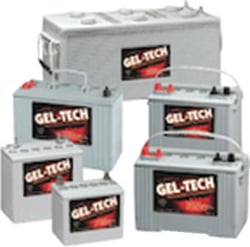

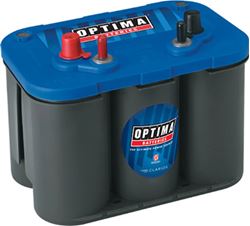
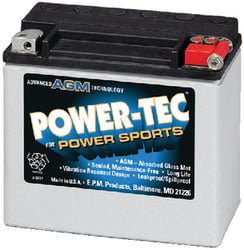
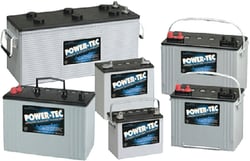
 Representative Photo, actual item may vary
Why Your RV or Marine Engine Battery Is Mission-Critical
Every adventure on the water — or down the open road — starts with a reliable engine battery. RV and marine engine batteries are purpose-built power sources engineered to handle the unique and demanding conditions of boating and recreational vehicle use. Unlike standard automotive batteries, these units must contend with constant vibration from waves and rough roads, exposure to moisture and salt air, and the need to deliver dependable cold-cranking power on demand.
Starting Batteries vs. Deep Cycle: Understanding the Difference
Not all batteries in the RV and marine world serve the same purpose, and choosing the right type is essential. Marine starting batteries — also called cranking batteries — are engineered to deliver a large burst of current for a short period of time to ignite an inboard or outboard engine. Internally, these batteries feature thinner lead plates with a greater surface area, which allows for that rapid energy release. Once the engine is running, the alternator takes over and recharges the battery. Starting batteries should never be used for sustained, continuous power draws, as deep discharging them rapidly degrades their performance and lifespan.
Deep cycle batteries, by contrast, are built for endurance rather than instant power. They provide a steady, consistent flow of electricity over extended periods and are designed to tolerate repeated deep discharges without significant loss of capacity. In an RV, deep cycle batteries power lighting, appliances, water pumps, and electronics when disconnected from shore power. On a boat, they keep trolling motors, fish finders, navigation systems, and radios running long after the engine has started.
A third option — the dual-purpose marine battery — attempts to balance the strengths of both types. These are well-suited for smaller vessels or rigs where space constraints make running two separate batteries impractical. Keep in mind that dual-purpose batteries may not perform as efficiently as dedicated batteries in either role, though modern chemistries are closing that gap.
Battery Chemistry: Flooded, AGM, Gel, and Lithium
Beyond their functional type, RV and marine engine batteries also differ by their internal chemistry, each offering a distinct set of tradeoffs:
- Flooded Lead-Acid (FLA): The most traditional and budget-friendly option. These batteries use a liquid electrolyte and are known for reliability and wide availability, though they require periodic maintenance to check fluid levels.
- AGM (Absorbent Glass Mat): A sealed, maintenance-free design that is spill-proof and highly resistant to vibration — making it an excellent choice for rough water or off-road RV travel. AGM batteries generally offer a longer service life than flooded equivalents.
- Gel: Like AGM, gel batteries are sealed and maintenance-free. They tend to have a slightly longer life expectancy but are more sensitive to overcharging.
- Lithium (LiFePO4): The newest and most advanced chemistry. Lithium batteries are significantly lighter, charge faster, and can handle far more discharge cycles than any lead-acid option. They are increasingly popular for both serious boaters and full-time RVers.
Key Specs to Look for When Shopping
When selecting an engine battery for your marine vessel or RV, a few key ratings should guide your decision:
- Cold Cranking Amps (CCA): This measures the battery's ability to start an engine in cold conditions. Any replacement battery should meet or exceed the CCA rating specified for your engine.
- Group Size: The physical dimensions of the battery must fit your battery tray. Common marine group sizes include Group 24, Group 27, and Group 31, each offering different capacity and footprint tradeoffs.
- Reserve Capacity (RC): This indicates how long a battery can sustain a 25-amp load — a key figure for boats and RVs that rely on onboard electronics for extended periods.
- Amp-Hours (Ah): For deep cycle applications, a higher Ah rating means longer runtime between charges.
Installation and Maintenance Tips
Even the best battery will underperform if improperly maintained. Store batteries in a climate-controlled environment during the off-season, and check charge levels every four to six weeks. For flooded batteries, monitor electrolyte levels regularly. If your vessel or RV sits unused for extended periods, connecting a battery tender or trickle charger will help preserve capacity and extend overall service life. Always ensure terminals are clean and free of corrosion, and secure the battery firmly to prevent damage from vibration.