



Fenders
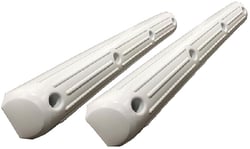
 Representative Photo, actual item may vary

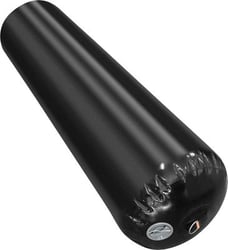

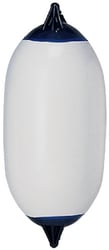

 Representative Photo, actual item may vary
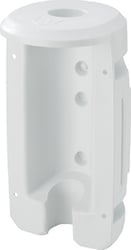


 Representative Photo, actual item may vary

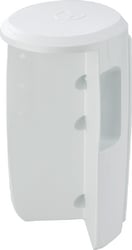
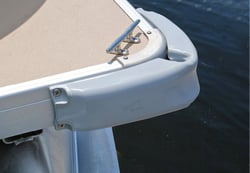
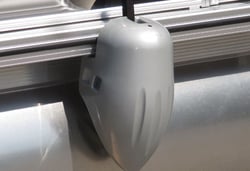

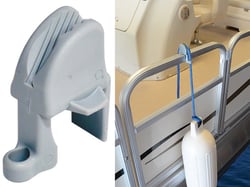

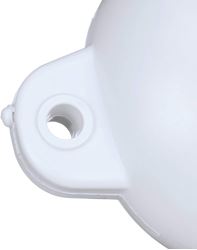
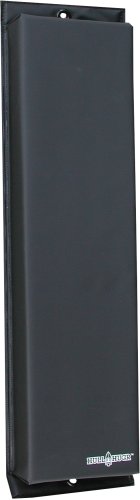 Representative Photo, actual item may vary

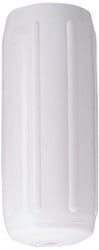
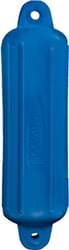
 Representative Photo, actual item may vary
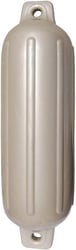
What Are Marine Boat Fenders?
Marine boat fenders — sometimes called boat bumpers — are one of the most essential pieces of safety equipment any boater can own. Fenders act as cushioned barriers placed between your vessel and a dock, piling, pier, or another boat, absorbing the kinetic energy of impact and preventing costly damage to your hull, gelcoat, and finishes. Without them, even a gentle wake or a momentary lapse in attention during docking could mean expensive fiberglass repairs or a ruined paint job.
Why Fenders Matter
Every boater has felt that knot-in-the-stomach moment when an unexpected wake rolls in just as you're tied up at the dock. Fenders are your first and most reliable line of defense. They protect against scratches, dents, and structural damage, and they serve double duty when rafting up alongside another vessel. In busy marinas, choppy anchorages, or tidal environments where fixed docks rise and fall relative to your hull, having the right fenders deployed correctly can mean the difference between a stress-free afternoon and a costly haul-out.
Types of Marine Fenders
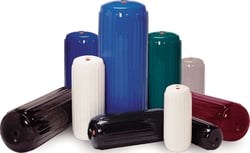
With over 288 products in this category, there's a fender suited to every vessel and docking situation. Here's a breakdown of the most common types:
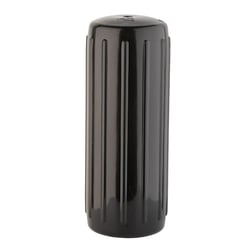
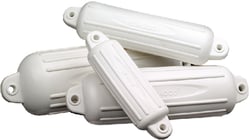
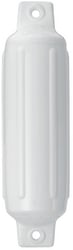
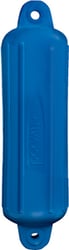
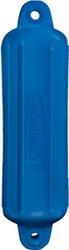
- Cylindrical Fenders: The most versatile and widely used type. They can be hung vertically or horizontally along the hull and work well across a wide range of boat sizes and docking environments.
- Ball / Round Fenders: Spherical fenders that provide excellent coverage at the bow or stern and absorb impacts over a larger surface area — especially useful for raft-ups and boats with higher freeboard.
- Flat / Panel Fenders: Thin, rectangular fenders ideal for narrow slips, stern-to Mediterranean docking, or situations where traditional cylindrical fenders can't fit.
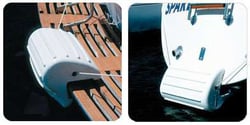
- Pontoon / Specialty Fenders: Purpose-built designs for specific hull types, such as pontoon boats, with contoured shapes and attachment systems engineered to fit rub rails and deck styles.
- Inflatable Fenders: Compact and easy to store when deflated, these are a practical choice for boaters with limited aboard storage.
How to Choose the Right Fender
Selecting the right marine fender involves three key considerations: size, quantity, and placement. As a general rule of thumb, plan on roughly one inch of diameter for every four to five feet of boat length for cylindrical fenders. A good starting point is a minimum of three fenders — positioned along the widest point of the hull, with adjustments fore and aft based on your slip layout. Boaters in exposed anchorages or tidal areas with significant wave action will want to err on the side of larger, more robust fenders. Material matters too: marine-grade vinyl is flexible and cost-effective, while molded foam options contour more closely to hull shapes.
Proper placement and height are just as important as size. Hang fenders so they sit just above the waterline for floating docks, and always account for tidal change on fixed docks. Remember to stow fenders when underway to protect them from UV degradation and wave action.
Top Brands in Marine Fenders
Dock Edge is a specialist in dock and boat protection, manufacturing fenders and mooring products since 1991. Their lineup spans roto-molded DockSide and Dolphin series fenders in marine-grade vinyl, purpose-built pontoon fenders, and heavy-duty FD Series designs for permanent unprotected moorings — all engineered with built-in UV inhibitors and fungicides to withstand the harshest saltwater environments.