



Full Face Respirators

Why Full Face Respirators Matter for RV & Marine Maintenance
Anyone who has spent time sanding a hull, grinding fiberglass, or applying bottom paint knows that the air in a boatyard or RV workshop can be a serious hazard. Full face respirators are the gold standard of personal respiratory protection for these environments — combining airtight filtration with integrated eye protection in a single, rugged unit. Whether you're rolling antifouling paint, spraying varnish, or refinishing an RV exterior, the right respirator is as essential as any tool in your kit.
What Makes a Full Face Respirator Different?
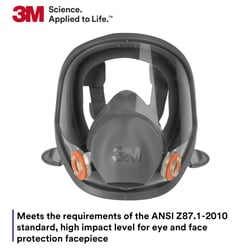
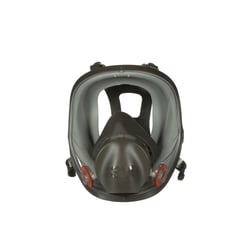
Unlike half-mask respirators or simple dust masks, full face respirators cover the entire face from chin to forehead. This design offers two key advantages: a wider, more reliable seal against harmful contaminants, and simultaneous protection of the eyes from chemical splashes and airborne particulates. When painting overhead or working in a confined bilge space, that added protection is not optional — it's critical.
Marine paints, solvents, and resins contain compounds that can cause dizziness, respiratory damage, or long-term health risks. Sanding bottom paint or grinding fiberglass presents serious hazards even at low exposure levels. A properly fitted full face respirator with the correct cartridge type is your most effective line of defense. Always consult the Safety Data Sheet (SDS) for the products you're using to confirm which cartridge or filter type is required.
Key Features to Look For
- NIOSH Approval: Always choose a respirator that is NIOSH-certified to ensure it meets established safety performance standards.
- Lens Field of Vision: A wide, scratch-resistant polycarbonate lens improves visibility and situational awareness on the job.
- Facepiece Material: Silicone facepieces are soft, flexible, and durable, conforming to more facial shapes for a better seal.
- Cartridge Compatibility: Look for models that accept a broad range of cartridges — organic vapor, HEPA, combination — so one facepiece covers multiple tasks.
- Comfort Features: A nose cup reduces lens fogging, a chin cup aids proper positioning, and a multi-strap harness distributes pressure evenly for extended wear.
- Filter Replacement: Replace cartridges when breathing becomes difficult, odors begin to pass through, or per the manufacturer's usage guidelines.
Top Brands in Full Face Respirators
Honeywell North is one of the most recognized names in professional respiratory protection. Their North 7600 Series full face respirator features a 100% silicone facepiece with a double-flange sealing area for a superior fit, a wide panoramic lens, and a built-in speech diaphragm — all NIOSH approved and adaptable to PAPR or supplied-air configurations. Their 5400 Series offers an economical entry point without sacrificing quality, featuring a wide field of vision and a thermoplastic elastomer nose cup to reduce fogging.
MSA Safety has built a century-long reputation in industrial safety equipment, and their full face respirator lineup reflects that heritage. The MSA Advantage series — including the Advantage 3200 and Ultra-Twin — features hypoallergenic silicone sealing surfaces, state-of-the-art low breathing resistance designs, and scratch-resistant wraparound faceplates that deliver a wide field of vision. MSA respirators are widely used across marine, industrial, and emergency response applications.
Vision OE rounds out the lineup with a focused selection of full face respiratory protection suited to maintenance and repair tasks, offering a reliable option for RV and marine owners who need dependable protection without overcomplicating the selection process.
Dentec Safety is a Canadian-based safety equipment manufacturer known for producing ergonomically designed, user-friendly respirators that prioritize both comfort and compliance — a solid choice for DIY marine and RV enthusiasts and professionals alike.
Proper Use & Maintenance
A full face respirator can only protect you if it fits correctly. Before each use, perform a seal check: block the cartridge inlets and inhale — the mask should draw tightly against your face with no air leaks. Clean the facepiece after every use and store it in a sealed bag to prevent cartridge degradation. Remember that filter cartridges begin to degrade from the moment their packaging is opened, so stock spares and replace them on schedule.