



Gel-Coat/Fiberglass Compounds
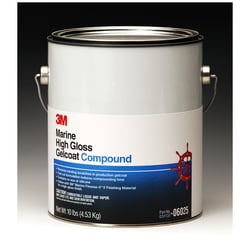

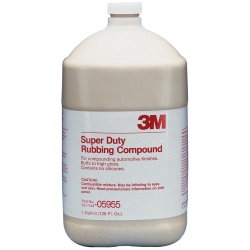
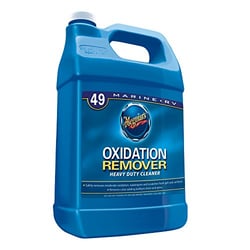

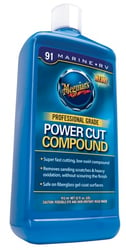
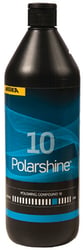

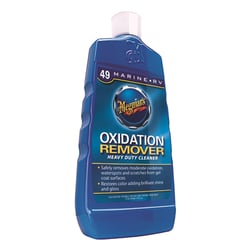
 Representative Photo, actual item may vary
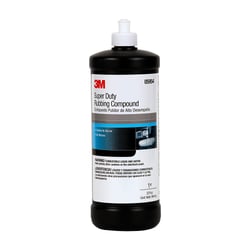
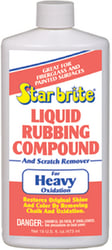
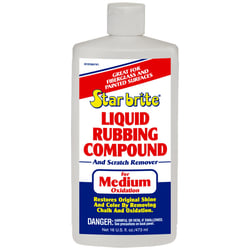

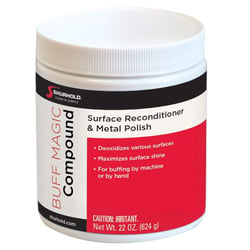

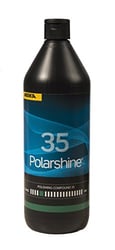
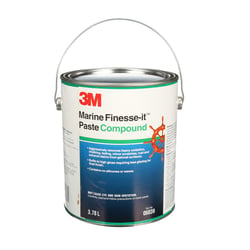
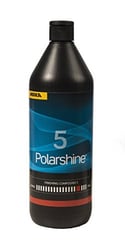
 Representative Photo, actual item may vary
What Are Gel-Coat & Fiberglass Compounds?
Gel-coat is the outermost surface layer found on most fiberglass boats and RVs. Gel-coat and fiberglass compounds are the specialized products used to restore, repair, and protect that critical surface — keeping your vessel or rig looking sharp and structurally sound for years to come.
At its core, gel-coat is a resin-based polymer — typically with an epoxy or polyester base — applied during the fiberglass molding process. It forms a hard, glossy outer shell that not only delivers the mirror-like finish of a new boat or RV, but also serves as a waterproof barrier against UV rays, saltwater, and physical impact. Over time, however, constant UV exposure, dock strikes, trailer rash, and general weathering take their toll. The result: oxidation, spider cracks, chips, gouges, and a chalky, faded surface that looks years older than it should.
That's where gel-coat and fiberglass compounds step in. This category covers a range of products — from heavy-cut abrasive polishing compounds that strip away oxidation, to color-matched gel-coat repair pastes that fill chips and scratches, to finishing polishes that restore a deep, glassy shine. Some products address purely cosmetic issues; others tackle structural repairs by rebuilding damaged fiberglass substrate before a fresh topcoat is applied.
Why Gel-Coat Maintenance Matters
Small cracks or chips in the gel-coat might look minor, but left unattended they can allow water to penetrate the underlying fiberglass. Prolonged water intrusion weakens the structural integrity of a hull or RV sidewall — turning a simple cosmetic fix into a costly structural repair. Addressing surface damage early with the right compound or repair kit is one of the most cost-effective forms of preventive maintenance a boat or RV owner can perform.
The restoration process typically follows a three-step approach: first, a heavy abrasive cutting compound removes the dead, oxidized layer; next, a polishing compound with finer abrasives brings the surface to a glossy sheen; finally, a wax or sealant locks in that shine and provides a fresh layer of UV protection. For actual cracks, chips, or gouges, a gel-coat repair paste or kit — often mixed with a catalyst for a hard cure — is used to rebuild the damaged area before finishing.
What to Look for When Shopping
- Cut level: Heavy-cut compounds tackle severe oxidation; fine polishes are for finishing work. Choose based on the condition of your surface.
- Resin compatibility: Gel-coat repair products work best when matched to your boat's resin type (polyester vs. epoxy). Check compatibility before applying.
- UV resistance: Look for formulas with built-in UV inhibitors to help the repaired surface resist future fading and degradation.
- Application method: Some compounds are designed for machine application with a rotary buffer; others are hand-application formulas suited for smaller repairs.
- Color matching: For visible repair areas, select a tintable or color-matched gel-coat product to blend seamlessly with the surrounding finish.
Top Brands in Gel-Coat & Fiberglass Compounds
Boat Life is a trusted name in marine maintenance with a history stretching back to 1959. Proudly manufactured in the USA from their Charleston, South Carolina facility, BoatLIFE products have earned a reputation for consistent quality across a broad range of marine care applications — making them a reliable choice for fiberglass and gel-coat maintenance.