



Hydraulic Equipment Fluid
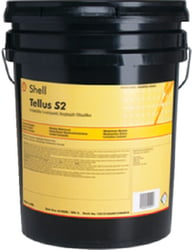

What Is Hydraulic Equipment Fluid?
Hydraulic equipment fluid is the lifeblood of any hydraulic system — a specially engineered liquid that transmits power, lubricates moving components, and keeps critical machinery operating smoothly under demanding conditions. In the world of RV and marine applications, hydraulic fluid plays a far more important role than most boaters and RV owners realize. From the moment you turn the helm to the second your outboard tilts up out of the water, hydraulic fluid is silently doing the heavy lifting.
Why Hydraulic Fluid Matters on the Water
Marine vessels rely on hydraulic systems for an impressive range of functions. Steering systems, power trim and tilt units, trim tabs, bow thrusters, and stabilizers all depend on pressurized hydraulic fluid to convert mechanical input into reliable motion. As one marine engineering resource puts it, hydraulics offer "robust, precise control, durability, and high power density" — qualities that are especially critical when navigating open water where system failures are not just inconvenient, but potentially dangerous.
The fluid itself serves several key purposes simultaneously:
- Power transmission: Transfers energy from the helm or actuator to the boat's steering, trim, or tilt mechanism.
- Lubrication: Reduces friction between moving internal parts, extending the service life of pumps, cylinders, and motors.
- Contaminant removal: Carries away microscopic particles that could damage precision internal components.
- Corrosion inhibition: Marine-grade hydraulic fluids contain additives formulated to resist the corrosive effects of moisture and salt exposure.
Marine vs. General-Purpose Hydraulic Fluid
Not all hydraulic fluids are created equal, and this is especially true in marine and RV environments. Hydraulic systems in boats are highly sensitive to fluid type — using a generic or incompatible fluid can lead to degraded performance, accelerated seal wear, and even system failure. Marine-specific hydraulic fluids are engineered with additives that resist oxidation, prevent foaming, and inhibit corrosion, all of which are essential in environments where moisture intrusion is a constant concern.
Fluid contamination is another critical issue. A hydraulic system containing water or air will not operate properly — air makes the system feel spongy and unresponsive, while water contamination can accelerate corrosion of internal components. Keeping the fluid clean and at the correct level is one of the most important aspects of marine maintenance.
Choosing the Right Hydraulic Fluid
When selecting hydraulic equipment fluid for your marine or RV application, keep these key factors in mind:
- Viscosity rating: The viscosity of the fluid directly impacts how well it flows through the system, especially in cold or hot conditions. Always match the viscosity to your system's specifications.
- Mineral vs. synthetic: Synthetic hydraulic fluids offer superior performance and durability, particularly for operators in extreme climates or demanding use cases.
- OEM compatibility: Always consult your owner's manual or manufacturer specifications. Using an unauthorized fluid can void warranties and compromise system integrity.
- Environmentally acceptable lubricants (EALs): For vessels operating in environmentally sensitive waters, biodegradable, low-toxicity hydraulic fluids are available and may be required by regulation.
Whether you're maintaining the hydraulic steering on a center console, topping off the power trim reservoir on an outboard, or servicing the slide-out system on a motorhome, using the correct hydraulic equipment fluid is one of the simplest and most impactful maintenance steps you can take to protect your investment and ensure reliable performance on every outing.