



Inflatable Boat, Fender & Cable Cleaners
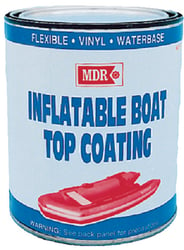

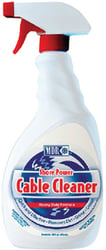
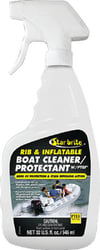

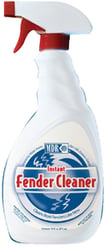
Why Specialty Cleaners Matter for Inflatable Boats, Fenders & Cables
Marine gear faces some of the harshest environments on the planet — relentless UV exposure, salt spray, algae, diesel exhaust, and dock grime can all take a serious toll on the flexible surfaces that keep your boat and slip looking sharp. Inflatable boats, dock fenders, and shore power cables are three of the most neglected — yet most visible — pieces of gear on any vessel. A dedicated inflatable boat, fender, and cable cleaner is the right tool for restoring these surfaces safely and effectively, without causing damage that harsh household solvents often leave behind.
Inflatable Boat Cleaners: Protecting PVC & Hypalon
Most inflatable boats are constructed from either PVC or Hypalon, and both materials are susceptible to degradation over time. Inflatable boat cleaners are specially formulated to address the unique challenges these fabrics face without attacking seams or weakening the material. UV radiation is one of the biggest threats: it can cause PVC pontoon tubes to become sticky and discolored, while Hypalon fabric may oxidize and take on a chalky, faded appearance. Using a solvent that is too aggressive — such as acetone or lacquer thinner — risks melting the surface or causing seams to fail, which can render the boat unusable.
Dedicated inflatable boat cleaners are engineered to lift dirt, mold, mildew, scuff marks, and deep-set oxidation without harming the substrate. Many formulas go a step further, leaving behind a protective polymer or UV-blocking coating that repels future staining from salt residue, bird droppings, and everyday marine grime. The key to matching the right cleaner to the job is knowing your boat's material — and avoiding household products that may contain silicones or petroleum distillates, which can compromise PVC and Hypalon over time.
Fender Cleaners: More Than Just Appearances
Dock fenders might seem like a purely cosmetic concern, but their cleanliness has a real impact on hull maintenance. Dirty, stained fenders can leave ugly streaks and marks on your hull's gelcoat when they make contact — streaks that are often far harder to remove than the fender stains themselves. Fender cleaners are formulated to tackle ground-in grime from creosote-coated pilings, algae, and oxidation without the aggressive scrubbing that can shorten a fender's useful life. Many of the best formulas restore the original color and apply a water-repelling, UV-resistant finish that keeps fenders cleaner between washes.
Shore Power Cable Cleaners: Electrical Safety Meets Aesthetics
Shore power cables are among the easiest items on a boat to overlook during routine maintenance. These thick, flexible PVC-jacketed cords are constantly exposed to dock grime, foot traffic, and weathering. Beyond appearances, keeping cable jackets clean and supple is a matter of responsible boat ownership — cracked, deteriorated jacketing can be a safety hazard. Inflatable boat and fender cleaners are frequently recommended by boaters for use on power cords as well, since both share similar PVC construction. After cleaning, following up with a quality UV protectant helps maintain flexibility and extend the cable's service life.
Key Considerations When Shopping This Category
- Material compatibility: Always confirm whether a cleaner is rated for your specific material — PVC, Hypalon, vinyl, rubber, or fiberglass — before applying.
- One-step vs. two-step formulas: Some cleaners clean and protect in a single application; others require a separate protectant step for best results.
- UV protection: Look for formulas that leave a UV-blocking or polymer protective coating to extend the life of your gear between cleanings.
- Silicone-free formulation: Avoid cleaners containing silicones or petroleum distillates on PVC and Hypalon surfaces, as these can cause long-term damage.
- Application method: Products range from spray bottles to cream or paste formats — choose the one that fits the surface area and accessibility of what you're cleaning.