



Oil Coolers
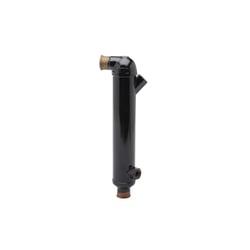

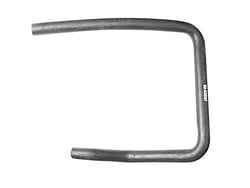
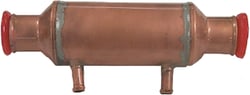

What Are Marine & RV Engine Oil Coolers?
An oil cooler is a critical heat-management component found in marine and RV engines. As engine oil circulates through a hard-working powerplant — lubricating bearings, pistons, and other moving parts — it absorbs tremendous amounts of heat. Without a means to shed that heat, oil breaks down chemically, loses its viscosity, and can no longer protect the engine effectively. An oil cooler acts as a dedicated heat exchanger, drawing excess thermal energy out of the oil before it returns to the engine.
Marine and RV oil coolers come in two primary configurations. Air-cooled units rely on fins and airflow to dissipate heat, making them a straightforward choice for smaller engines or applications with good ventilation. Water-cooled units are far more common in larger marine engines: raw water drawn from the surrounding lake, river, or ocean passes through the cooler in the opposite direction of the oil flow — a counterflow arrangement that maximizes heat transfer efficiency. Many boat installations also include a dedicated transmission oil cooler, keeping gear oil at safe operating temperatures separate from the engine oil circuit.
Why Oil Coolers Matter on the Water and the Road
Marine engines face a uniquely punishing operating environment. Unlike a car cruising at 2,000 RPM, a typical inboard or stern-drive running at planing speed may hold 4,000 RPM or more for extended periods. That sustained high-RPM load generates heat at a rate that the engine's internal cooling passages alone may struggle to manage. A properly sized oil cooler delivers several tangible benefits:
- Extended oil life: Keeping oil at the correct temperature prevents premature thermal breakdown, reducing how often oil changes are needed.
- Reduced engine wear: Cooler, properly viscous oil maintains a stronger lubricating film on bearings and cylinder walls, cutting friction and long-term wear.
- Improved reliability: A thermally stable engine is less likely to overheat and suffer catastrophic damage — essential peace of mind when you're miles offshore or deep into a remote RV destination.
- Better performance: Oil at optimal temperature flows and protects more efficiently, allowing the engine to operate at its designed output level.
Key Considerations When Shopping for an Oil Cooler
Selecting the right oil cooler requires matching several specifications to your engine and application. Engine displacement and power output are the primary factors — a high-horsepower big-block marine engine demands significantly more cooling capacity than a smaller four-cylinder. Cooling type matters as well; water-cooled designs dominate serious marine applications because water absorbs heat far more effectively than air. For transmission coolers specifically, look for units constructed with quality copper-nickel alloy on the raw-water side and rated for the appropriate operating pressures. Fitment is equally important: the cooler must integrate cleanly with your existing raw-water circuit and plumbing connections. When in doubt, verify compatibility with your engine and transmission manufacturer's specifications before purchasing.
Whether you're protecting a high-performance stern-drive, a diesel cruiser, or a diesel pusher RV, the right oil cooler is one of the smartest investments you can make in long-term engine health. Browse our full selection below, featuring trusted brands like Pacific Performance Engineering to find the right fit for your application.
Top Brands in Marine & RV Oil Coolers
Pacific Performance Engineering (PPE) is a respected name in performance engine cooling, known for heavy-duty oil coolers engineered with larger internal passageways for improved oil and coolant flow. PPE designs their coolers as direct upgrades over factory units, with additional rows of oil passageways for greater heat dissipation — making them a popular choice for enthusiasts who demand more than stock cooling capacity.