



Ports
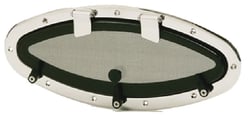

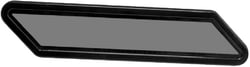
Beckson Marine PF128BS Newport Parallelogram Fixed Port Black Body Smoked Lens

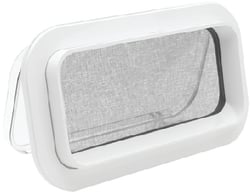
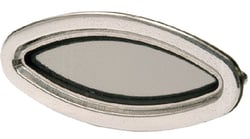
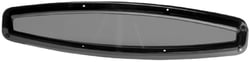
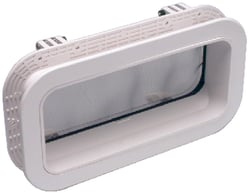
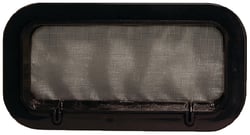
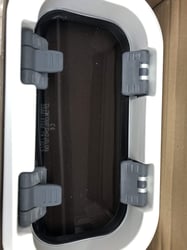

What Are Marine & RV Ports?
In the world of boating and RV living, ports — also called portlights or port windows — are hull- or wall-mounted openings that serve as a critical part of any onboard ventilation system. Unlike overhead hatches, ports are typically installed along the sides of a cabin, hull, or coach wall, allowing fresh air to flow horizontally through enclosed spaces. Many sailors focus exclusively on overhead hatches, but the best airflow often comes from side-mounted ports. By strategically pairing an intake port with an exhaust vent on the opposite side of the vessel or cabin, you create the kind of cross-ventilation that keeps passengers comfortable and interiors dry.
Why Ventilation Ports Matter
Boat ventilation is provided by strategically placed ports, hatches, cowls, clamshell vents, or a combination of the types — equipment used to exhaust stale air out of boat cabins, engine compartments, and enclosed spaces, and to force fresh air through the vessel. This is not merely a comfort issue. The air inside a sealed boat is usually much more humid than outside air and permeates everything inside — stale air creates the potential for rot, corrosion, mold, and mildew, which damages interior equipment, furniture, upholstery, finishings, and stowed gear. For RVs, the same principles apply: moisture buildup in a closed coach can quietly destroy cabinetry, upholstery, and electrical systems over time.
Federal regulations require that boats using gasoline or diesel fuel for electrical generation, mechanical power, or propulsion be equipped with a ventilation system. Properly functioning ports are often a key part of meeting that requirement. Ensuring that hatches, ports, and windows operate properly so they can be used when needed to exhaust stale air is a safety best practice before every voyage.
What to Look for When Shopping Marine Ports
When selecting ports for your vessel or RV, consider the following:
- Material: Marine-grade aluminum, stainless steel, and high-impact polycarbonate or acrylic are the most common and corrosion-resistant choices for saltwater environments.
- Opening Style: Ports can be fixed (non-opening), hinged, or sliding. Opening ports provide active ventilation; fixed ports are primarily for light and aesthetics.
- Sealing & Weatherproofing: A quality compression gasket is essential. Even the best vent is useless if your hatch seals are cracked or compressed — a compromised seal allows air to bypass the ventilation path, leading to leaks and efficiency loss.
- Profile: Low-profile designs reduce aerodynamic drag and maintain a clean deck or hull appearance while still delivering reliable airflow.
- Size & Cutout: Match the port's frame and cutout dimensions carefully to your hull thickness and opening before purchasing.
Top Brands in Marine Ports
When it comes to quality marine ports and portlights, Bomar stands in a class of its own. A division of Pompanette LLC, Bomar has designed and manufactured the finest ports, hatches, windows, and doors for the marine industry — with a name synonymous with innovative design, flawless craftsmanship, and the highest quality materials. As the manufacturer of the world's most complete line of ports and hatches, Bomar is clearly the leader in a competitive industry where details make all the difference. Their portlight lineup spans cast and extruded series in rectangular, elliptical, and round profiles, giving boat builders and DIY refitters alike a precise fit for nearly any application.