



Resin Reducer
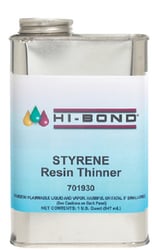

What Is Resin Reducer?
Resin reducer — sometimes called resin thinner or styrene reducer — is a chemical additive used to lower the viscosity of polyester and vinyl ester resins and gelcoats, making them easier to spray, brush, or infuse during marine and RV fiberglass work. Styrene monomer is the most widely recommended reducer because it is chemically compatible with the polyester and vinyl ester chemistry: all polyester and vinyl ester resins already contain styrene monomer as a component, so adding it as a reducer integrates into the curing reaction rather than simply evaporating or degrading the material.
By contrast, using incompatible solvents like acetone to thin gelcoat can break polyester adhesive bonds and reduce the final coat's strength and weatherability — making the choice of the right reducer critical to a successful repair or application.
Why Resin Reducer Matters for Boats and RVs
Fiberglass is the backbone of modern boat and RV construction. The structural core of a fiberglass hull is built from layers of fiberglass cloth saturated with resin, topped by a gelcoat layer — a pigmented polyester resin that provides the vessel's finished color, sheen, and moisture barrier. Over time, impacts, UV exposure, and osmotic stress can create cracks, chips, and surface damage that need professional-quality repair.
Gelcoat straight from the container is highly viscous — far too thick to pass through most spray guns without clogging or producing an uneven orange-peel texture. A properly measured addition of resin reducer thins the gelcoat enough for smooth, even spray application while preserving its curing chemistry, UV resistance, and finished hardness. For brush or roller applications, a small amount of reducer also improves flow and self-leveling, reducing brush marks in the cured finish.
Reactive vs. Evaporative Thinners
Not all reducers work the same way. There are two broad categories to understand when shopping:
- Reactive thinners (such as styrene monomer) chemically bond into the gelcoat or resin during the curing process, becoming a permanent part of the matrix. This preserves more of the material's original physical properties.
- Evaporative thinners dissipate out of the resin as it cures, leaving behind a product closer to the original formulation. These offer a different working-time profile and are sometimes preferred for specific spray setups.
Most marine professionals recommend keeping reducer additions conservative — typically no more than 5–10% by volume — to avoid compromising the gelcoat's physical strength, UV resistance, and long-term durability. Over-thinning can lead to a coat that is too thin, prone to spider cracking, and vulnerable to UV aging.
Key Considerations When Buying Resin Reducer
- Resin compatibility: Confirm the reducer is formulated for polyester or vinyl ester resins. Epoxy systems use different hardener systems and are not compatible with styrene-based reducers.
- Application method: Spray applications generally require more thinning than brush-on work. Choose a reducer appropriate for your equipment and technique.
- Volume needed: Since reducer is used in small percentages per batch, a single quart or pint goes a long way for most DIY patch and repair work.
- Ventilation and safety: Styrene-based reducers produce vapors that require adequate ventilation, proper respiratory protection, and gloves during use. Always work in a well-ventilated area and follow the manufacturer's safety guidelines.
- Storage: Keep reducer in tightly sealed containers away from heat sources and direct sunlight to maintain shelf life and prevent premature evaporation.
Where Resin Reducer Fits in Your Repair Workflow
Resin reducer is typically used at the gelcoat application stage — after structural fiberglass repairs have been made with layered cloth and catalyzed resin, and the surface has been prepared by sanding to the appropriate grit. Adding reducer allows the topcoat gelcoat to spray smoothly and lay flat, resulting in a professional finish that can be wet-sanded and buffed to a factory-like shine once fully cured.