



Resin Reducer
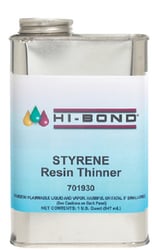

Professional Resin Reducer for Automotive Body Repair
Resin reducer is an essential solvent used in automotive body repair to thin and adjust the viscosity of polyester resins and fiberglass resins. When repairing rust-outs, cracks, or damaged body panels, achieving the proper resin consistency is critical for successful application and curing. A quality resin reducer allows technicians to control the flow and penetration of repair resins, ensuring optimal adhesion and a professional finish that can be sanded, shaped, and painted.
In professional body shops and DIY garage repairs alike, resin reducers serve multiple purposes beyond simple thinning. They're used to clean tools and mixing equipment between applications, prevent resin buildup on spreaders and brushes, and adjust working properties based on temperature and humidity conditions. The right reducer maintains the chemical integrity of the base resin while providing the workability needed for vertical surfaces, complex contours, and layered fiberglass cloth applications.
Understanding Resin Reducer Chemistry and Applications
Polyester resins cure through a chemical reaction with hardeners, creating a permanent, waterproof bond ideal for automotive structural repairs. However, straight from the container, these resins can be too thick for certain applications—particularly when saturating fiberglass mat or cloth, or when working in tight spaces. Resin reducer solvents modify the viscosity without compromising the cure chemistry, allowing the resin to flow into porous surfaces and around reinforcing materials more effectively.
Professional body technicians understand that proper reducer ratios affect cure time, final hardness, and sandability. Too much reducer can weaken the repair and extend cure times significantly, while insufficient thinning makes application difficult and may trap air bubbles that compromise structural integrity. Quality reducers are formulated specifically for compatibility with automotive repair resins, unlike generic solvents that may interfere with curing or cause adhesion problems.
Choosing the Right Resin Reducer for Your Repair Project
When selecting a resin reducer, compatibility with your specific resin system is paramount. Most automotive body repair resins are polyester-based, requiring reducers formulated for polyester chemistry. The reducer must evaporate at the proper rate—too fast and you lose working time, too slow and you extend cure times or trap solvent in the repair. Temperature also affects reducer choice, with different formulations optimized for hot, moderate, or cool working conditions.
Hi Bond offers resin reducer solutions designed for automotive body repair applications, providing consistent performance for both fiberglass and SMC panel repairs. Their formulation balances evaporation rate with working time, giving technicians the control needed for quality results whether performing small patch repairs or extensive panel reconstruction work.
Safety and Proper Handling of Resin Reducers
Resin reducers are powerful solvents that require proper safety precautions during use. Always work in well-ventilated areas, as the fumes can be harmful when inhaled in concentrated amounts. Protective gloves and safety glasses are essential, and a proper respirator is recommended for extended use or in enclosed spaces. Store reducers in tightly sealed containers away from heat sources and open flames, as these products are highly flammable. Following manufacturer guidelines for mixing ratios and application techniques ensures both optimal repair results and safe working conditions.