



Rigging Hose & Flanges
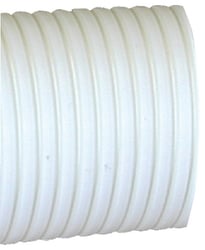

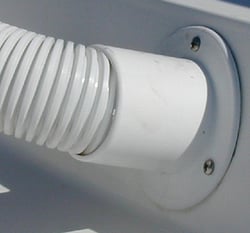
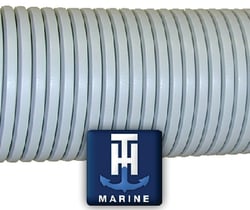
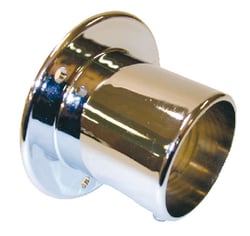
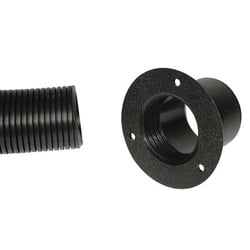
 Representative Photo, actual item may vary
What Are Marine Rigging Hose & Flanges?
When you rig an outboard motor, a tangle of control cables, electrical wiring, and fuel lines must make their way from the boat's console and hull to the engine. Rigging hose and flanges are the components that keep this bundle organized, protected, and neatly sealed where it exits the deck or transom. Without them, exposed cables are vulnerable to chafing, UV degradation, water intrusion, and dirt accumulation — all of which can lead to costly electrical failures or engine control issues on the water.
How Rigging Hose & Flanges Work Together
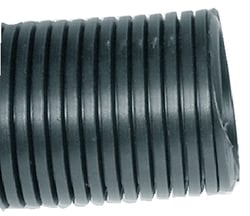
The system works in two complementary parts. The rigging hose — a flexible, corrugated tube — bundles cables and wiring into a single, manageable run from the engine to the boat interior. The flange then mounts at the deck penetration point, securing the hose and sealing the hull opening against moisture and debris. Together, they protect both the boat's structure and its electrical system at one of the most vulnerable points on any outboard-powered vessel.
Flanges are especially critical for outboard motor installations. As one marine authority notes, rigging flanges and seals are most important when wiring an outboard motor, since the wiring run passes through the hull and is directly exposed to the elements. A properly sealed hull penetration also prevents chafing that could wear through wire insulation over time — a safety hazard that's far easier to prevent than to fix.
What to Look for When Shopping
- Hose diameter compatibility: Most outboard applications use 2-inch (50mm) corrugated marine rigging hose. Verify your engine's requirements before selecting a flange.
- Material durability: Look for flanges made from UV-resistant, marine-grade materials such as polypropylene or ABS plastic that can withstand sun, salt spray, and temperature swings.
- Mounting flexibility: Some flanges feature textured backing that allows inverted mounting, which is useful on transom surfaces with unusual angles or tight clearances.
- Fuel port integration: Certain flange configurations include a dedicated fuel hose port, allowing the primer bulb to remain accessible even after wiring is fully routed.
- Kit vs. components: Rigging flange and hose kits bundle the flange and a length of hose together, simplifying sourcing and ensuring compatibility between components.
T-H Marine: The Trusted Name in Outboard Rigging
T-H Marine is the leading brand in this category, and for good reason. Founded in 1975, T-H Marine has spent five decades designing and manufacturing marine accessories that end up on virtually every type of recreational boat built in the United States — from bass boats to center consoles to pontoons. Their rigging hose has earned a reputation as the hose of choice for most OEM boatbuilders in the U.S., a testament to its durability, flexibility, and kink resistance. Their molded polypropylene flanges are internally threaded for secure hose retention and simple rigging adjustment, and are available in black, chrome, and white finishes to match a variety of boat aesthetics. Whether you're doing a factory-style rerig or refreshing worn components on an older outboard, T-H Marine's rigging hose and flange kits deliver a professional result with straightforward installation.