



Sanders
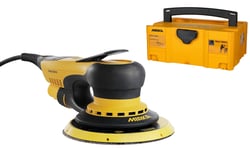

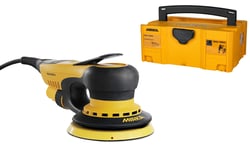
Mirka MID55020CAUS DEROS 5" Electric Random Orbital Sander 125mm Brushless
Why Sanders Are Essential for Marine & RV Maintenance
Whether you're prepping a fiberglass hull for a fresh coat of antifouling paint, refinishing a weathered RV exterior, or restoring gelcoat to its original gloss, a quality sander is one of the most indispensable tools in your maintenance arsenal. Surface preparation is the foundation of any lasting finish — and the right sander makes the difference between a result that looks professional and one that peels or fades within a season.
Marine and RV surfaces face a uniquely punishing combination of UV exposure, moisture, salt, and temperature swings. Sanding removes old coatings, levels surface imperfections, and creates the mechanical adhesion that new paint, varnish, or sealant needs to bond properly. As any experienced boater knows, skipping or rushing this step invites problems — from paint that bubbles and flakes to protective coatings that fail prematurely.
Types of Sanders for Marine & RV Use
Choosing the right type of sander depends on the task at hand. Here's a breakdown of the most common options and where each excels:
- Random Orbital Sanders (ROS): The workhorse of marine surface prep. The combination of rotation and oscillation produces a swirl-free finish and works exceptionally well on fiberglass hulls and RV sidewalls. After the portable drill, the random orbit sander is widely considered the second most popular power tool in a boater's toolbox, valued for its versatility across hull prep, interior woodwork, and gelcoat finishing.
- Dual-Action (DA) Sanders: Similar to random orbital sanders but capable of more aggressive material removal when needed. Dual-mode versions can switch between rotary and orbital action, making them ideal for tackling heavy paint buildup before transitioning to finish sanding.
- Detail Sanders & Palm Sanders: Compact and maneuverable, these are ideal for tight spaces — corners, trim, edges along the waterline, and narrow deck sections where a larger tool simply won't fit. A quarter-sheet palm sander, for instance, excels at working along masking tape lines and into square corners that orbital tools can't reach.
- Inline / Long-Board Sanders: Designed for large, flat areas and hull fairing work. Long-file style sanders help level filler on hull surfaces quickly and with a consistent, even touch — a favorite in professional boatyards and yacht production shops.
Grit Selection: Getting the Sequence Right
Grit selection is just as important as the type of sander. For heavy material removal — stripping bottom paint or leveling old coatings — coarse grits in the 40–80 range cut fast and efficiently. As you refine the surface, progressively finer grits (120, 180, 220+) reduce scratch depth. For final gelcoat finishing before compounding and polishing, very fine wet-sanding grits of 1,500–2,000 yield the smoothest results.
A critical rule of thumb: never skip grit stages. Jumping from 80 to 220 grit leaves deep scratches that show through paint and are difficult to correct later. Each successive grit should remove the scratch marks left by the previous one.
Wet vs. Dry Sanding
Marine maintenance often involves both wet and dry sanding techniques. Dry sanding removes material more aggressively and is best suited for the early stages of a project — stripping paint, leveling filler, and opening up gelcoat repairs. Wet sanding, which uses waterproof sandpaper and a steady flow of water, reduces dust, minimizes heat buildup, and yields a significantly finer finish. It is the preferred method for final surface prep before applying topcoats or for bringing gelcoat to a pre-polish smoothness.
Key Features to Look For
- Dust Collection: Marine sanding generates significant dust, including fine fiberglass particles that are a respiratory hazard. A sander with an effective dust port — compatible with a shop vacuum — keeps your work environment cleaner and safer.
- Variable Speed: Adjustable speed settings allow you to dial in the right aggressiveness for different materials, from stripping old antifouling paint to fine-finishing gelcoat.
- Ergonomics & Weight: Overhead and vertical hull work is physically demanding. A lightweight sander with comfortable grip options reduces fatigue on long jobs.
- Pad Attachment System: Most modern sanders use hook-and-loop (Velcro-style) backing pads for quick paper changes. Ensure your sandpaper and sanding discs match the hole pattern and attachment system of your sander.
Safety Considerations
Sanding fiberglass, antifouling paint, and marine coatings releases fine particulate matter that can be harmful when inhaled. Always wear a properly rated respirator or dust mask, safety goggles, and gloves. Work in a well-ventilated area whenever possible, and connect your sander to a dust extraction system to minimize airborne particles.