



Seacock & Valve Lubricant

Why Seacock & Valve Lubrication Matters
A seacock is a valve on the hull of a boat or ship that permits water to flow into the vessel — such as for cooling an engine — or out of the boat, such as for a sink drain or a toilet. These hull-mounted marine valves control water entering or exiting the boat through a thru-hull fitting, and they serve as a primary safety component, allowing rapid shutoff if a hose fails or a fitting is damaged. Given how critical that role is, keeping seacocks and valves in smooth working order is one of the most important aspects of boat maintenance.
The Role of Proper Lubrication
Applying a marine-grade lubricant annually helps keep valves moving freely, and testing functionality by opening and closing the seacock periodically ensures it doesn't seize. A seized seacock in an emergency situation — such as a ruptured hose below the waterline — can spell disaster. Best practices call for cycling all seacocks and valves monthly to prevent seizing, and periodically lubricating the ball mechanism with marine-grade grease where accessible and recommended by the manufacturer.
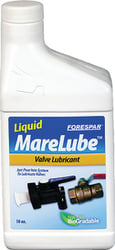
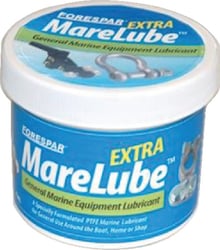
Not all lubricants are created equal for this application. There is a tendency to reach for silicone-based lubricants, believing them to be superior, but silicone's typically light viscosity means it can be easily washed off or out of the valve — a serious drawback in a constantly wet marine environment. The right choice depends on your seacock's construction: metallic ball valves, rubber cone valves, and composite valves each have specific lubrication requirements. Rubber cone valves call for a non-petroleum-based lubricant such as a Teflon-based product like MareLube.
Cone Valves vs. Ball Valves: A Lubrication Perspective
Traditional cone valves are extremely rugged and capable of being rebuilt over and over again — cone-style seacocks may be disassembled, lubricated, and reassembled repeatedly, with well-maintained units lasting 40 years or more. Ball valve seacocks, on the other hand, rely on Teflon seals and are generally lower maintenance, but they still benefit from periodic inspection and lubrication of accessible moving parts to prevent growth fouling and corrosion from causing them to stick.
Choosing the Right Marine Valve Lubricant
When shopping for seacock and valve lubricant, keep these considerations in mind:
- Valve material compatibility: Composite and rubber-component valves require non-petroleum-based lubricants, while metallic valves can tolerate marine-grade grease formulations.
- Water resistance: Look for lubricants that are water-insoluble and resist being washed out of the valve in a submerged or bilge environment.
- Biodegradability: Liquid formulations designed for hard-to-reach valves can be poured directly into the system through the valve tailpipe or hose; some are truly readily biodegradable and biorenewable, making them environmentally responsible choices for marine use.
- Application method: Specialized valve lubrication kits allow you to inject lubricant directly onto the valve's moving parts using a pre-loaded syringe and extension tube, making service easier even in tight bilge spaces.
Top Brands in Seacock & Valve Lubricant
Kohler Small Engine brings its reputation for precision engine and equipment chemistry to the marine plumbing category, offering lubricant solutions engineered for reliable performance in demanding, moisture-rich environments — qualities that translate directly to the rigors of below-waterline valve maintenance.