



Sending Units
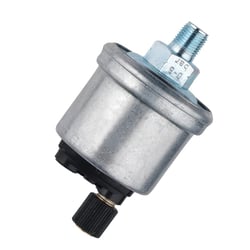
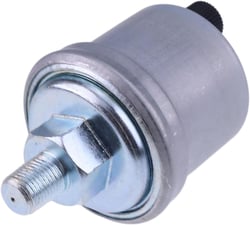
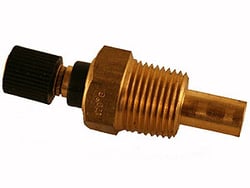

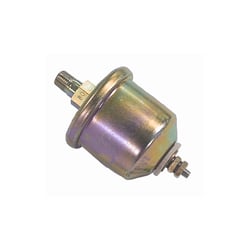
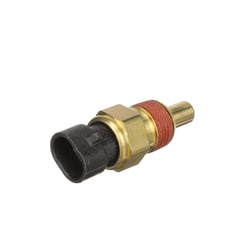

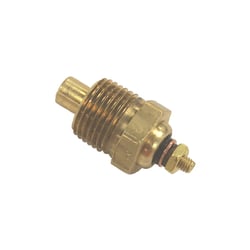

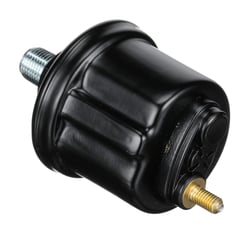
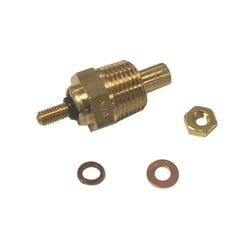
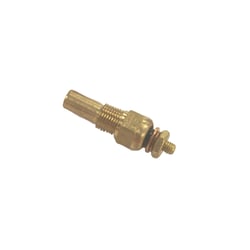
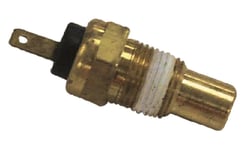
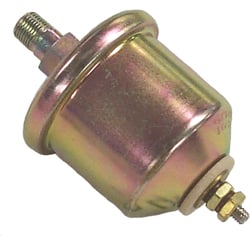
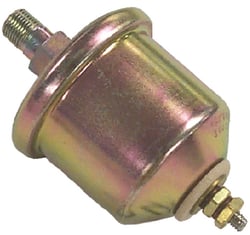
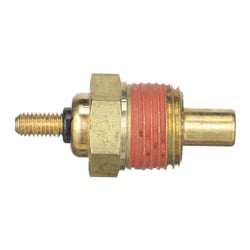
 Representative Photo, actual item may vary
Quicksilver 97258A1 Water Temperature Sender 1/2-14 NPT for MerCruiser Engines
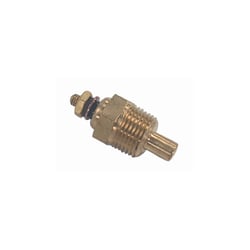
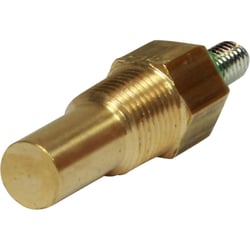

What Are Engine Sending Units?
A sending unit is the silent workhorse behind every gauge on your boat's or RV's dashboard. Sending units are sensors that translate real-world physical conditions — fuel level, oil pressure, coolant temperature, and more — into electrical signals your gauges can read and display. Without a functioning sender, your gauges are simply decorative. With one, they become critical safety instruments that help you manage your engine before small problems become costly breakdowns.
At their core, most sending units operate as transducers: they convert one form of energy into another. A fuel level sender, for example, uses a float attached to a rheostat-style arm that rises and falls with the fuel in the tank. As the float height changes, electrical resistance changes with it, and your fuel gauge interprets that resistance to show you how much fuel remains. Oil pressure senders work similarly, using a diaphragm in the engine's oil passage to detect pressure changes and transmit a corresponding resistance signal to the gauge. Temperature senders thread into the engine block or coolant passage and vary their resistance based on heat.
Why Sending Units Matter for Marine & RV Engines
In a marine or RV environment, reliable instrumentation isn't just about convenience — it's about safety. Running out of fuel offshore or pushing an overheating engine down the highway can result in dangerous, expensive situations. A high-quality sending unit ensures your gauges give you accurate, real-time data so you can react before conditions become critical.
Selecting the correct sending unit requires attention to a few key factors:
- Resistance range: Senders and gauges must be matched to the same resistance sweep (e.g., 240–33 ohms for fuel, 0–80 PSI range for oil pressure) or readings will be inaccurate.
- Thread size & mounting pattern: Temperature and pressure senders must thread into the correct NPT port size on your engine block or manifold.
- Tank depth & float arm length: Fuel senders must be sized to fit the depth of your specific tank with clearance for the float arm to move freely.
- Single vs. dual station: Boats with multiple helm stations require senders rated for dual-station setups to avoid skewed readings across gauges.
- Calibration: Always calibrate to your tank's shape and capacity for maximum accuracy.
Top Sending Unit Brands for Marine & RV
Dakota Digital is a respected name in precision instrumentation, offering a broad line of sending units engineered to integrate seamlessly with their own gauge systems. Their fuel level senders feature adjustable float arms to accommodate a wide range of tank depths, making them a popular choice for both custom builds and restoration projects in marine and RV applications.
VDO Gauges brings over a century of instrumentation expertise to the marine market. With a heritage dating back to 1920, VDO produces a comprehensive range of senders covering fuel level, oil pressure, water temperature, and more — in both single-station and dual-station configurations. Their senders are widely recognized for durability in demanding marine environments and pair directly with VDO's own gauge lines for verified accuracy.