



Shackles
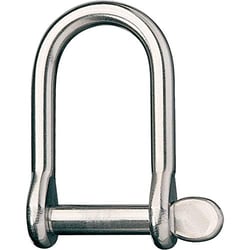

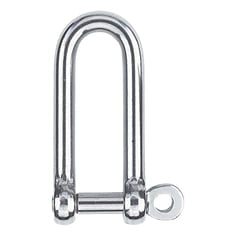

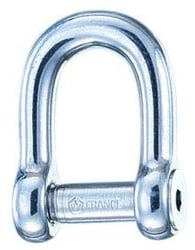
Wichard 1306W Self-Locking Allen Head Pin D Shackle 12mm 15/32" 316L Stainless Steel
 Representative Photo, actual item may vary
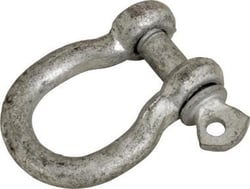

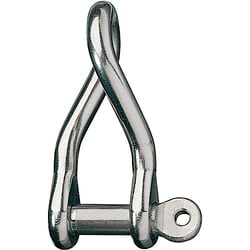
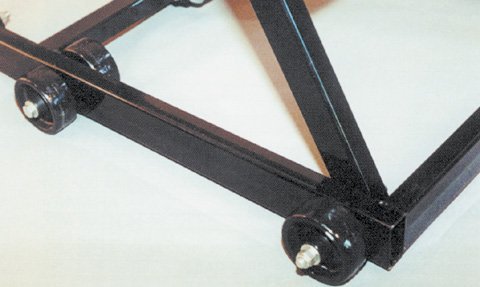 Representative Photo, actual item may vary
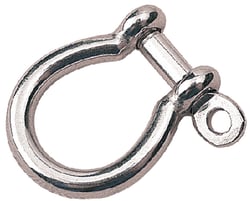
 Representative Photo, actual item may vary
 Representative Photo, actual item may vary
 Representative Photo, actual item may vary

 Representative Photo, actual item may vary

 Representative Photo, actual item may vary
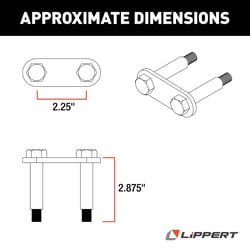
Lippert Components 125675 Standard 2.25 Inch Shackle Link Assembly for RV Trailer Suspension

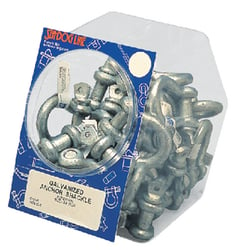
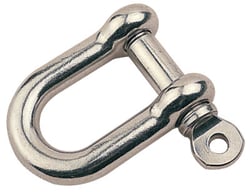
 Representative Photo, actual item may vary
 Representative Photo, actual item may vary
 Representative Photo, actual item may vary

What Are Shackles and Why Do They Matter?
Whether you're dropping the hook in a quiet anchorage or rigging a recovery setup on a remote trail, shackles are the unsung hardware holding everything together. Shackles are U-shaped metal connectors with a threaded or bolt-type pin that link chains, ropes, cables, straps, and anchors into a unified, load-bearing system. In the RV and marine world, a shackle failure isn't just an inconvenience — it can mean a drifting boat or a stuck vehicle with no way out.
Types of Shackles to Know
Not all shackles are built for the same job, and choosing the right style is as important as choosing the right size.
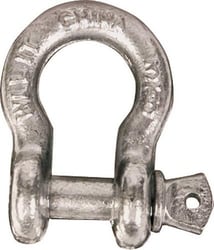
- Screw Pin Shackles: The most common marine style, featuring a threaded pin that's easy to install and remove — ideal for connections that need to be broken down periodically. Always seize the pin with wire or a locking compound to prevent it from backing out underway.
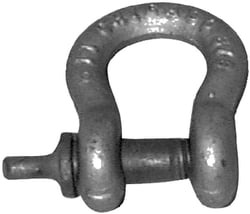
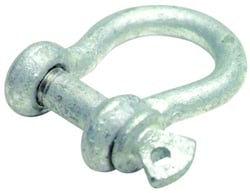
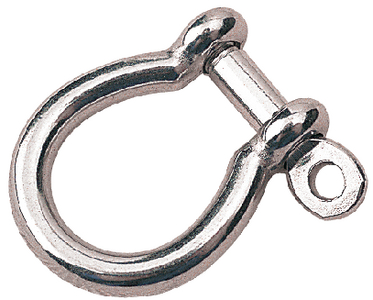
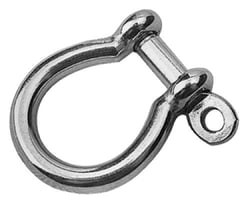
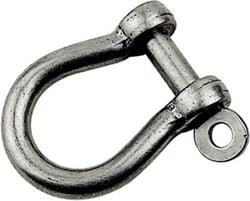
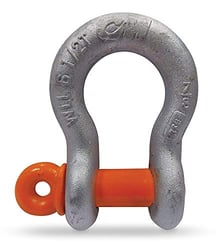
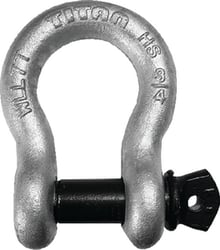
- Bow (Anchor) Shackles: Recognizable by their rounded omega-shaped body, bow shackles are designed to handle loads from multiple directions without deforming — a key advantage when an anchor swings at odd angles on the rode.
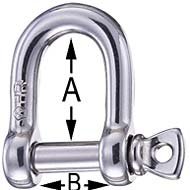
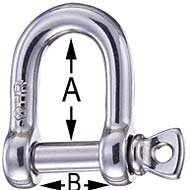
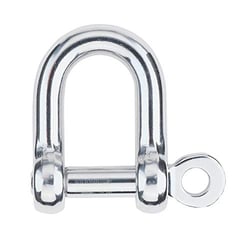
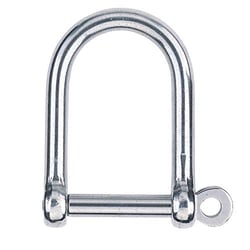
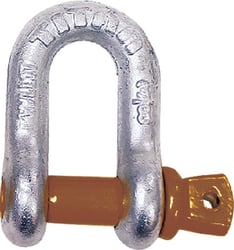
- D-Ring (Chain) Shackles: The narrower, D-shaped body is optimized for in-line pulling loads and is frequently used in vehicle recovery rigging, connecting straps, snatch blocks, and winch lines.
- Bolt-Type Shackles: Secured with a bolt-and-nut pin system for maximum security in permanent or high-stakes applications where the pin must never accidentally unscrew.
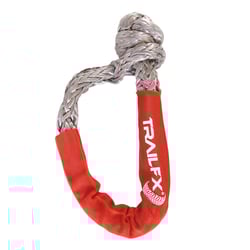
- Soft Shackles: Made from high-strength synthetic fiber, soft shackles are lightweight, won't damage bodywork if they snap back, and are a popular choice for modern winch rigging setups.
What to Consider When Buying Shackles
The most critical factor is the Working Load Limit (WLL) stamped on the shackle body — never exceed it. As a general rule, size your shackle one diameter larger than the chain you're connecting to, ensuring the shackle is never the weakest link in your ground tackle or recovery system. Side-loading — pulling at an angle rather than straight through the body — can reduce a shackle's effective capacity significantly, so always orient your shackle so the primary load runs in line with the body.
Material matters too. Galvanized steel shackles offer excellent economy and corrosion resistance for freshwater and light saltwater use. Stainless steel shackles deliver superior corrosion resistance for offshore and full-time saltwater environments, though forged versions are strongly preferred over cast for reliability. For off-road and recovery use, high-strength alloy steel and aluminum shackles engineered for dynamic loads are the go-to choice.
Routine inspection is non-negotiable: rinse shackles with fresh water after salt exposure, check for cracks, elongation, or deformation, and replace any shackle that shows signs of bending or heavy corrosion.
Top Shackle Brands
When it comes to shackles built for demanding use, Warn is a trusted name in both the RV and off-road recovery communities. Warn's Epic line includes a range of purpose-engineered shackles — from forged steel D-ring shackles with threaded pins and E-coat protective finish, to innovative designs like the Hyperlink and Sidewinder, and lightweight Spydura soft shackles — giving drivers a complete rigging toolkit for winch-based recovery situations.