



Solenoids
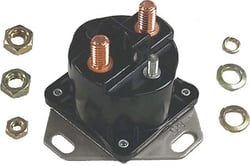

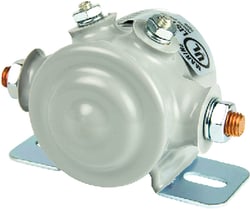


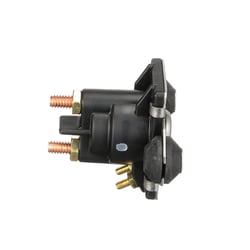

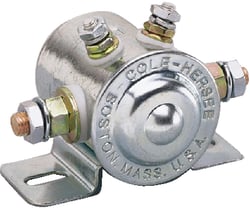
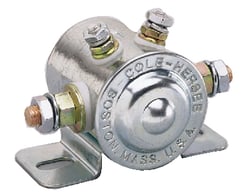

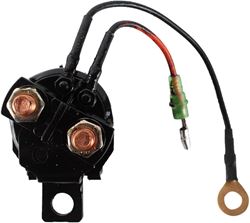
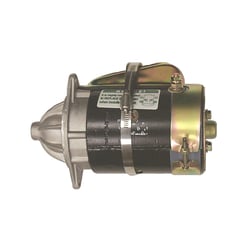
Sierra 18-5903 Marine Starter for Ford 302 & 351 CID MerCruiser OMC Volvo Pleasurecraft
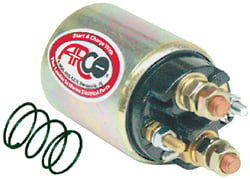
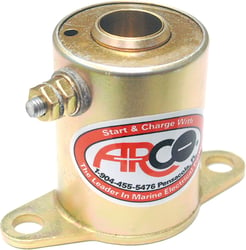
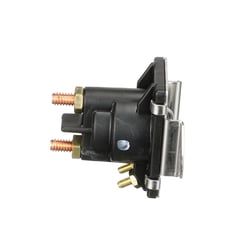
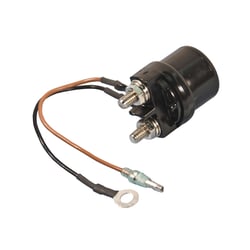
Quicksilver 8M0185622 Starter or Power Trim Solenoid for Mercury Mariner Outboards MerCruiser
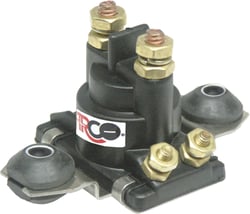
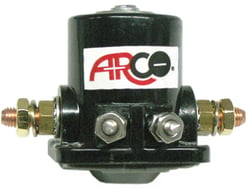
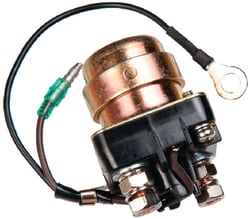
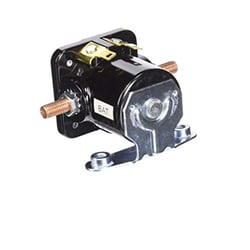

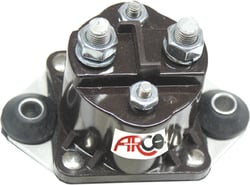
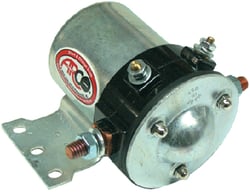
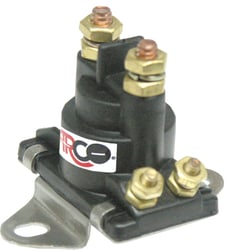
Arco Starting & Charging SW109 Solenoid for Mercury/Mercruiser - 12V Isolated Base
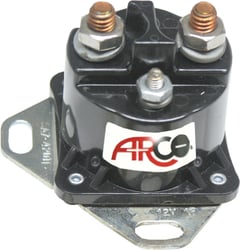
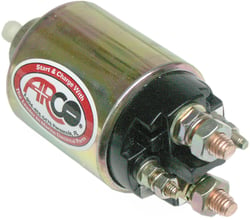
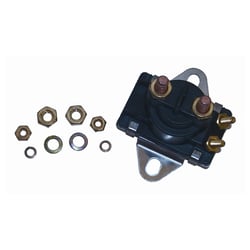
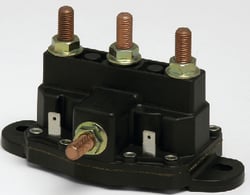
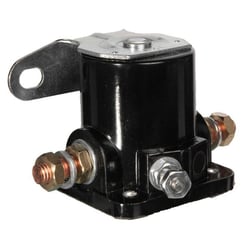
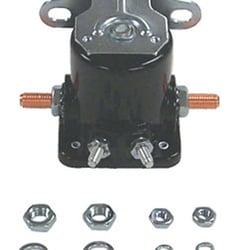
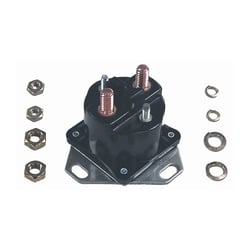
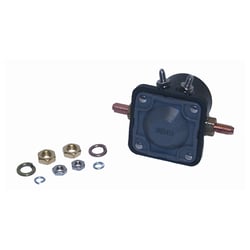
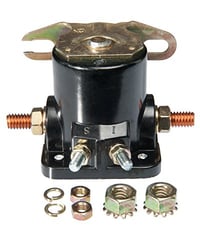
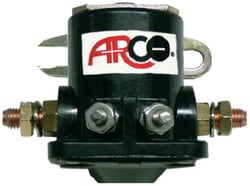
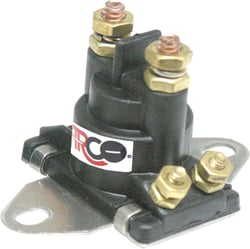
What Are Marine & RV Engine Solenoids?
A solenoid is one of those components that works quietly behind the scenes — until it doesn't. At its core, a solenoid is an electromagnetic switch: when electrical current flows through a tightly wound coil of wire, it generates a magnetic field that draws in a moveable plunger, either closing a high-current electrical circuit or actuating a mechanical device. In the context of RV and marine engines, solenoids perform some of the most critical functions aboard your vessel or motorcoach.
Marine and RV solenoids generally fall into a few distinct roles. The most familiar is the starter solenoid, which acts as a high-amperage relay between your ignition switch and starter motor. Because the starter motor demands enormous current to spin over an engine, running those heavy cables all the way to a helm switch isn't practical — the solenoid bridges that gap cleanly and safely. When you turn the key, a small control signal energizes the solenoid coil, which closes the heavy-duty contacts and delivers full battery voltage to the starter motor.
Beyond starting, solenoids also serve as tilt/trim relays on outboard and sterndrive applications, controlling the power trim motors that adjust your engine's angle. In RVs, solenoids appear as battery isolators and boost/emergency-start switches that connect chassis and house batteries for charging or for jump-starting when needed. Diesel-powered engines — both marine inboards and RV chassis engines — often incorporate fuel shutoff solenoids that physically actuate the injector pump stop lever to kill the engine remotely.
Continuous Duty vs. Intermittent Duty
Not all solenoids are interchangeable, even if they look the same on the outside. Arco Starting & Charging explains the key distinction well: continuous duty solenoids are wound with fine wire, draw low amperage, and are rated to stay energized for extended periods — making them ideal for tilt/trim applications. Intermittent duty solenoids, by contrast, use heavier wire and carry much higher amperage, but are only designed to be energized briefly — as in the moment it takes to crank a starter motor. Installing the wrong type can lead to premature coil burnout or contact failure.
Why Marine-Grade Solenoids Matter
It's tempting to substitute a generic automotive solenoid in a pinch, but marine and RV environments demand purpose-built components. Marine solenoids typically feature corrosion-resistant contacts and can be mounted in any orientation, whereas automotive versions are often designed for a single mounting position. In a sealed engine compartment where gasoline vapors can accumulate, using components built and rated for the marine environment is an important safety consideration.
Solenoid failure tends to be gradual: the internal contacts arc every time the circuit opens or closes, slowly pitting and burning the contact surfaces until the solenoid fails to close — or worse, welds shut. Recognizing warning signs like slow cranking, intermittent starts, or a clicking noise without engine turnover can help you catch a worn solenoid before it leaves you stranded on the water or the road.
Top Brand for Marine & RV Solenoids
Arco Starting & Charging is the dominant name in marine solenoids, with over 60 years of specialization in high-performance replacement charging and starting components. Their solenoid lineup covers an extensive range of applications — from MerCruiser and Mercury/Mariner outboards to Johnson/Evinrude, Yamaha, Volvo Penta, and OMC sterndrives — making it easy to find an exact-fit replacement rather than a generic substitute.