



Spreader Boots
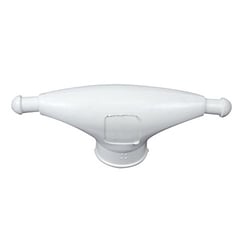

What Are Spreader Boots?
Spreader boots are protective covers fitted over the outboard ends of a sailboat's spreaders — the horizontal struts that project from either side of the mast to hold the shrouds away from the spar. Their primary job is sail protection. When a headsail or genoa sweeps across the spreader tip during a tack, even a small sharp edge or exposed seizing wire can cause significant chafing or an outright tear in the sailcloth. A well-fitted set of spreader boots places a smooth, soft barrier between the rigging hardware and your sails, helping you avoid expensive visits to the sailmaker.
Why Spreader Boots Matter
Spreaders play a critical structural role aboard any Bermuda-rigged sailboat. As riggers explain, spreaders are struts attached to the sides of a mast to hold the shrouds away from the mast
— increasing the angle at which the shrouds meet the spar and reducing the compression load on the rig. The outboard ends of those spreaders, where the shroud passes through or is seized in place, are exactly where rough metal edges can contact your sails. Without a boot or other protective cover, every tack sends your headsail sliding across that hardware.
The consequences go beyond sail damage. A compromised sail can lose its shape long before it suffers a visible tear, costing performance. In offshore sailing, a ripped headsail mid-passage is a genuine safety issue. Spreader boots are a small, inexpensive line of defense against a potentially big problem.
Types of Spreader Boots
Sailors have debated the ideal spreader protection for decades, and today several well-established options exist:
- Molded Rubber or Vinyl Boots: The most common style, these pre-formed shells snap or slide over the spreader tip and are secured with tape, zip ties, or molded recesses for clamps. Quality examples are made from EPDM rubber that is resistant to UV, salt water, and temperature extremes, providing durable protection while presenting a minimal frontal area to reduce windage.
- Leather Boots: A traditional and seamanlike choice, leather boots are hand-stitched around the spreader tip. They conform well to irregular shapes, tend to be non-marking against sail fabric, and — when not over-sealed — allow moisture to breathe rather than becoming trapped against the metal.
- Dacron / Padded Polyester Wraps: A more flexible option for spreaders with unusual cross-sections, padded polyester wraps use hook-and-loop or buckle closures to conform to a wide range of spreader shapes and sizes.
Key Considerations When Buying Spreader Boots
Choosing the right spreader boot comes down to a few practical factors:
- Size and shape of the spreader tip: Spreaders range from round tubular sections to flat aerofoil profiles. Measure the width and depth of your spreader at the tip before ordering — most boots are sold in small, medium, and large to accommodate a range of spreader dimensions.
- Material: Rubber and vinyl are durable and easy to install; leather provides a more traditional look and good breathability; padded polyester adapts to non-standard shapes.
- UV and weather resistance: All marine components must endure prolonged sun exposure, salt spray, and temperature swings. Look for boots specifically rated for UV resistance to ensure they don't crack or degrade prematurely.
- Moisture drainage: Sailors and riggers widely note that any spreader cover — rubber, leather, or tape — should allow water to drain rather than pool. Trapped moisture against aluminum or stainless steel fittings accelerates corrosion at a critical structural point.
- Ease of installation and inspection: Boots that can be removed without cutting allow for periodic visual inspection of the spreader tips and seizing wire — an important part of routine rig maintenance.
Whether you're prepping for an offshore passage or simply want to protect a new genoa through a season of coastal cruising, a quality set of spreader boots is one of the most cost-effective pieces of sailing gear you can carry aboard.