



Transmission Fluid


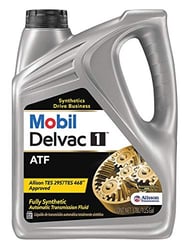
Mobil 122062 Delvac 1 Synthetic ATF Heavy Duty Automatic Transmission Fluid 1 Gallon
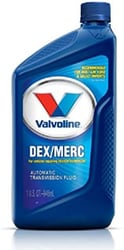
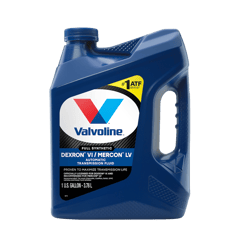
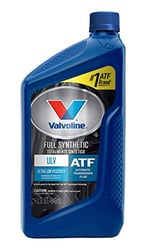
Valvoline 883572 Full Synthetic ATF Dexron VI Mercon LV Transmission Fluid 1 Gallon
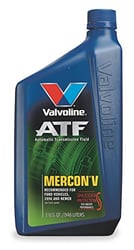
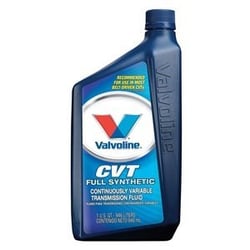
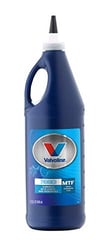
 Representative Photo, actual item may vary
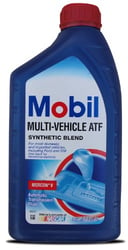
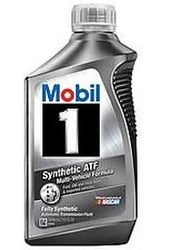
Mobil 126505 Multi-Vehicle ATF Full Synthetic Automatic Transmission Fluid 1 Quart
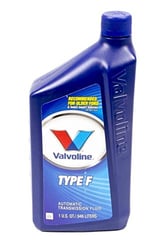
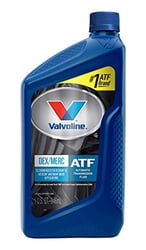
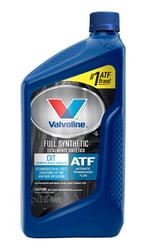
Valvoline 798153 ATF Automatic Transmission Fluid Dexron Mercon 1 Quart (Case of 6)
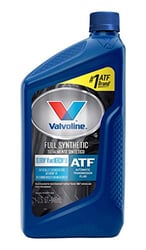
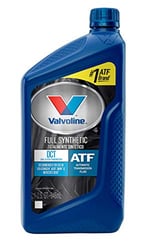
Valvoline 822405 Full Synthetic ATF DEXRON-VI Automatic Transmission Fluid 1 Quart (Case of 6)
 Representative Photo, actual item may vary
 Representative Photo, actual item may vary
Valvoline 887972 SynGard Full Synthetic ATF ES Automatic Transmission Fluid 1 Gallon
Why Transmission Fluid Matters for RV and Marine Engines
Transmission fluid is one of the most critical — and most overlooked — fluids in any RV or marine drivetrain. Transmission fluid is a specialized lubricant essential for the proper functioning of both automatic and some modern manual transmissions. It performs multiple tasks: lubricating gears and bearings to minimize wear, reducing friction between moving parts like the torque converter and clutch/brake bands for smooth gear changes, and sometimes acting as a hydraulic fluid to operate the transmission control system in automatics.
In the demanding world of RV travel and boating, transmission systems endure stress that far exceeds typical passenger vehicle use — sustained high-load towing, extended idle periods, and exposure to wide temperature swings. Marine transmissions operate under heavy loads, fluctuating RPMs, and constant hydraulic pressure. At the center of their performance and longevity is the quality and management of the lubrication system. Choosing the correct oil type, performing timely fluid changes, and understanding how to properly maintain oil levels are essential steps to protect your investment.
What Transmission Fluid Actually Does
ATF transmission fluid is very different from engine oil. It has more detergent and better oxidation additives, and is designed to keep hydraulic seals softer and includes anti-foaming additives to prevent air bubbles in the hydraulic system. In marine gearboxes especially, the oil is more than just a lubricant — it drives clutch performance, cools vital components, and protects high-torque gear assemblies.
Transmission fluid is enriched with additives to improve lubrication, minimize friction, and shield against wear and corrosion. Over time, heat and mechanical shear break down these additive packages, which is why regular fluid changes are so important — especially in marine applications where contamination from moisture or saltwater is a real possibility.
Choosing the Right Transmission Fluid
Not all transmission fluids are interchangeable. Marine transmissions from manufacturers like ZF/Hurth, Twin Disc, Velvet Drive, and Borg Warner each have specific fluid requirements that may call for ATF, motor oil, or a proprietary specification. Some transmission fluids — such as Type F — have no easy substitutes, as all other transmission fluids except Type F contain friction modifiers that can cause slipping and overheating in transmissions that specifically require it. Always consult your owner's manual or the transmission manufacturer's published specifications before selecting a fluid.
For RV powertrains — particularly those with Ford-based engines and transmissions — Motorcraft transmission fluids are engineered to meet exact Ford specifications. Modern Ford transmissions are highly sensitive to fluid type, and fluids such as MERCON LV, MERCON ULV, and MERCON SP are not interchangeable, even if they appear similar.
Top Brands for RV & Marine Transmission Fluid
Motorcraft is the top-selling transmission fluid brand in this category and for good reason. Motorcraft is Ford Motor Company's official parts and fluids brand. The Motorcraft transmission fluid lineup encompasses multiple formulations designed to meet diverse transmission requirements, ensuring optimal performance and compatibility for your specific application. From the widely used MERCON V — the most widely used formulation in the Motorcraft family — which meets Ford's MERCON V specification while providing compatibility with many other manufacturer requirements, offering excellent thermal stability, superior shift quality, and extended service life, to the MERCON LV, which supersedes MERCON V in newer Ford applications, providing enhanced low-temperature performance and improved fuel economy through its low-viscosity design — Motorcraft covers the full spectrum of Ford-powered RV drivetrain needs.
Key Considerations When Shopping for Transmission Fluid
- Match the specification, not just the viscosity: Always verify whether your transmission requires ATF, a motor oil grade, or a manufacturer-specific fluid like MERCON V or MERCON LV.
- Synthetic vs. conventional: Synthetic oil can offer high-temperature resistance in clean, enclosed transmission environments, but compatibility with older seals and gaskets should be verified first.
- Change intervals: Heat and oxidation degrade fluid over time. Oil doesn't last forever — even the best fluids break down under heat and pressure, and monitoring oil condition can help prevent catastrophic failure before it happens.
- Marine-specific concerns: In boats, watch for water intrusion in the fluid, which can appear as milky or foamy fluid and signals immediate attention.