



VHF Radios - Fixed Mount
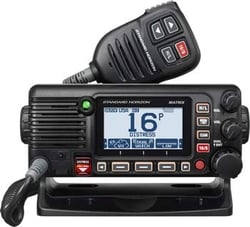
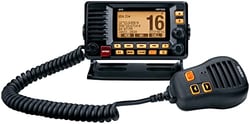
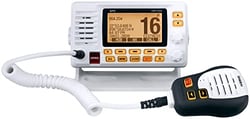
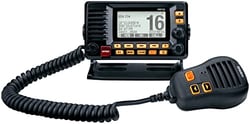
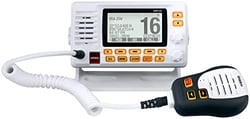
Standard Horizon GX2410GPS Matrix AIS/GPS/NMEA2000 Fixed Mount VHF Marine Radio


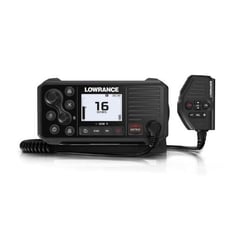
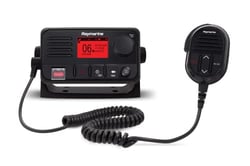
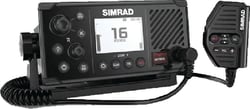
Lowrance 000-14472-001 Link-9 VHF Marine Radio with DSC and AIS Receiver

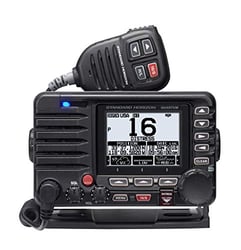
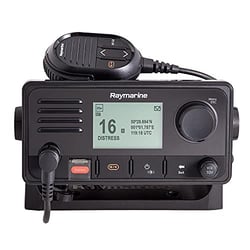
Standard Horizon GX6000 Quantum AIS Fixed Mount VHF Marine Radio with NMEA 2000
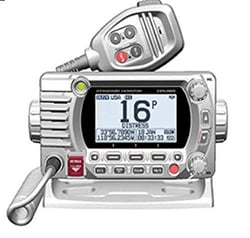
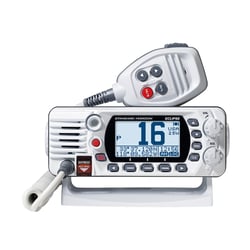
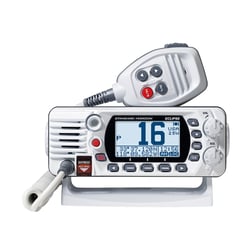
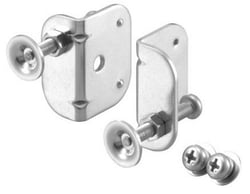
 Representative Photo, actual item may vary
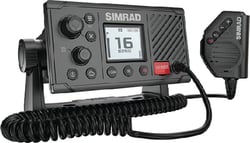
B&G Suspension 000-14492-001 V20S VHF Marine Radio with NMEA 2000 and GPS

 Representative Photo, actual item may vary





- 1
- 2
What Is a Fixed Mount VHF Radio?
A fixed mount VHF radio is the cornerstone of onboard marine communication. Unlike handheld units, a fixed mount radio is permanently installed on your vessel, drawing power directly from the boat's electrical system and connecting to an external antenna mounted as high as possible on the superstructure or mast. The result is a communication system with far greater reach and reliability than any handheld alternative.
VHF (Very High Frequency) marine radios operate in the 156–174 MHz band and are widely considered the most important safety tool on any vessel. Fixed mount VHF radios are the standard for ship-to-shore, ship-to-ship, and Coast Guard communication on both coastal and offshore waters. In an emergency, they are more dependable than a cell phone — cell coverage drops off quickly on the water, while a properly installed VHF keeps you in contact with rescue services, marinas, and fellow mariners.
Why Fixed Mount Outperforms Handheld
The performance gap between fixed mount and handheld radios comes down to power and antenna height. Fixed mount radios are legally permitted up to 25 watts of transmit power, and when paired with an external antenna mounted high on the vessel, they can reliably communicate 20 miles or more under good conditions. Handheld units are limited by battery life and a short antenna that sits close to the waterline, both of which hurt range at the moments you need it most.
Because they draw from the boat's battery bank rather than an internal cell, fixed mount radios can monitor Channel 16 — the internationally designated distress and hailing frequency — continuously, around the clock. This persistent watch capability is a practical safety advantage that no handheld unit can easily replicate.
Key Features to Look For
- Class D DSC (Digital Selective Calling): Allows you to transmit an automated distress alert — including your vessel identity and, when connected to GPS, your exact position — with a single button press. DSC is now a baseline requirement, not an upgrade.
- GPS Integration: Either built-in or via NMEA 0183/NMEA 2000 connectivity to an onboard chartplotter, GPS integration makes DSC distress alerts far more actionable for search and rescue.
- AIS Receiver: Advanced models include an AIS (Automatic Identification System) receiver that displays real-time vessel traffic data, helping with collision avoidance in busy waterways.
- Waterproof Rating: Look for IPX7 or IPX8-rated units capable of withstanding submersion, not just spray. Marine environments are harsh, and waterproofing is non-negotiable.
- NOAA Weather Alerts: All modern fixed mount radios include access to NOAA weather channels and automatic severe-weather alert tones, giving you advance warning of changing conditions.
- NMEA 2000 / NMEA 0183 Connectivity: Network connectivity allows your radio to share data with chartplotters, MFDs (Multi-Function Displays), and other onboard electronics for a fully integrated helm station.
Top Brands in Fixed Mount VHF Radios
Icom is widely recognized as the leader in the fixed mount VHF radio category. With deep roots in radio engineering, Icom's marine lineup features innovations like AquaQuake speaker drain technology, Active Noise Cancelling for clear audio in rough conditions, and NMEA 2000 connectivity across much of their range. Models like the M510 and M605 offer color displays, Wi-Fi smartphone integration, and optional integrated AIS receivers, making them a first choice for serious boaters and professional mariners alike.
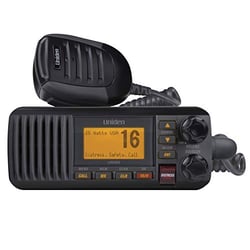
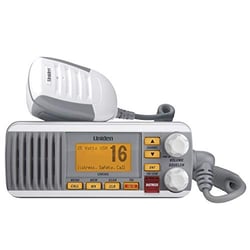
Uniden delivers capable fixed mount VHF radios at accessible price points without skimping on safety essentials. Their fixed mount lineup features IPX8-rated waterproofing, full Class D DSC compliance, NOAA weather alerts, and Triple Watch scanning, making them a solid choice for everyday recreational boaters.
Lowrance is a well-known name in marine electronics, recognized for their chartplotter and fishfinder integration expertise. Their VHF radio offerings fit naturally alongside other Lowrance electronics for boaters looking to build a cohesive, networked marine electronics suite.
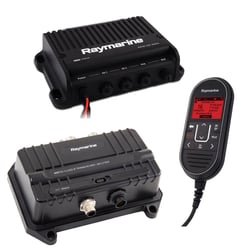
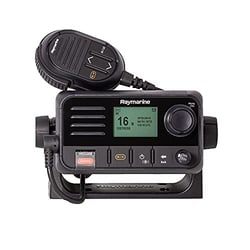
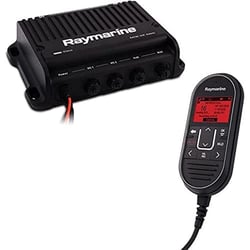
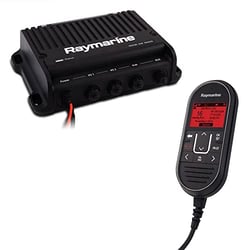
Raymarine brings a premium, systems-oriented approach to fixed mount VHF. Their lineup — including black-box designs like the Ray90 and Ray91 — is engineered for seamless integration with Raymarine chartplotters and MFDs, offering modular, space-saving installation options ideal for vessels with carefully designed helm layouts.