



Manifolds/Risers/Elbows
 Representative Photo, actual item may vary
Barr Marine CR2097772P Direct Replacement Exhaust Riser for Crusader Engines

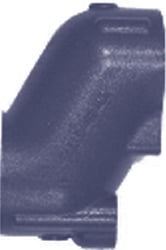
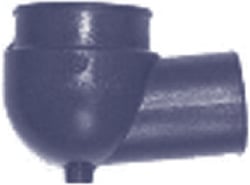
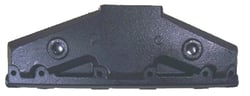

Barr Marine OMC13857656 Center Rise Exhaust Manifold for OMC/Volvo V6 4.3L
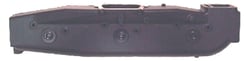
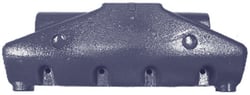
Barr Marine CR198243 Center Rise Exhaust Manifold for Crusader GM Small Block

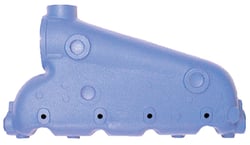
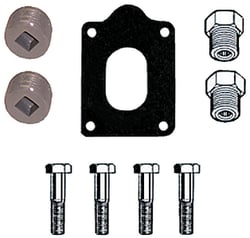

Barr Marine CM206674 Direct Replacement Exhaust Riser for MerCruiser V6 and V8 Engines
 Representative Photo, actual item may vary
What Are Marine Exhaust Manifolds, Risers & Elbows?
The exhaust system on an inboard marine engine is a surprisingly complex — and critically important — piece of engineering. Manifolds, risers, and elbows work together to safely route hot combustion gases away from the engine, mix them with cooling water, and discharge them overboard. Understanding how each component functions helps you make smarter maintenance decisions and avoid costly engine damage.
The exhaust manifold is bolted directly to the side of the engine block. As the pistons fire, waste gases are pushed through the exhaust valves and into the manifold, which collects them and channels them toward the riser. The riser (sometimes called an elbow due to its characteristic horseshoe shape) then connects the manifold to the exhaust hose, elevating the exhaust path above the waterline before gases exit the vessel. This elevation is no accident — it is a critical safeguard that prevents seawater from flowing back into the engine, which can cause catastrophic hydrolocking damage.
Risers and elbows are water-cooled components: raw water or heat-exchanger water circulates through them to keep surface temperatures manageable and to mix with the exhaust gases before they are discharged. This dual function — gas routing and thermal management — means these parts operate under extreme stress. The combination of high heat, constant moisture, and saltwater exposure accelerates corrosion and scale buildup inside the riser walls over time.
Why Regular Inspection and Replacement Matter
Marine manifolds, risers, and elbows are among the most wear-prone components on an inboard engine, and neglecting them is one of the most common causes of serious engine failures. Risers are double-walled, and when saltwater eats through the inner wall, it can enter the exhaust section and ultimately flow back into the engine's cylinders. In saltwater environments especially, these components have a finite service life and should be inspected regularly regardless of engine hours, since prolonged exposure and periods of inactivity can accelerate corrosion even on lightly used vessels.
When shopping for replacements, fit and material quality are the two most important factors. A manifold or riser that does not seal correctly against the engine can introduce exhaust leaks or cooling water intrusion. Look for parts engineered to meet or exceed original equipment manufacturer (OEM) specifications, and prefer cast iron construction, which provides the right balance of strength, heat dissipation, and durability for the marine environment.
Barr Marine — The Industry Standard in Marine Exhaust
Barr Marine by EDM is widely regarded as one of the leading manufacturers of replacement marine exhaust manifolds, risers, and elbows in the aftermarket. With roots in the marine industry stretching back to 1933, Barr has built its reputation on precision-fit, domestically sourced cast iron components designed as direct replacements for the most popular inboard engines, including MerCruiser, OMC, Volvo Penta, Crusader, Chrysler Marine, and Chris-Craft platforms. Their exhaust systems are CNC machined at their own facility and molded from their own tooling, ensuring consistent quality control. Barr Marine's industry-leading 3-year warranty on select products has set a benchmark that competitors have worked hard to match, making them a trusted choice for both professional marine technicians and dedicated DIYers who want reliable, long-lasting exhaust components.