



Battery Cable
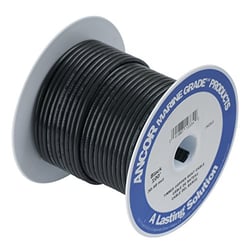

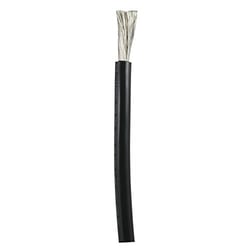
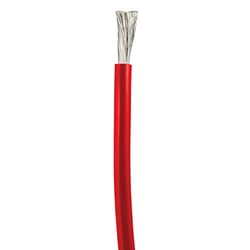
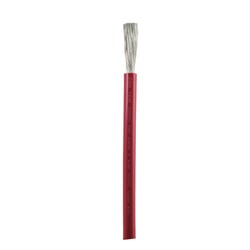
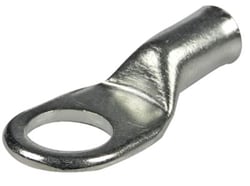

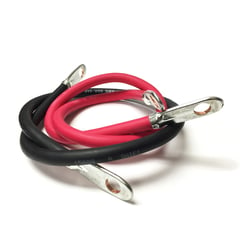

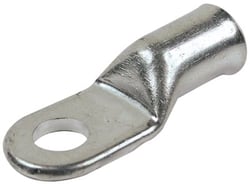
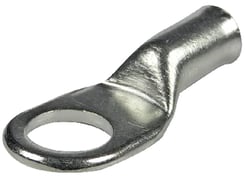


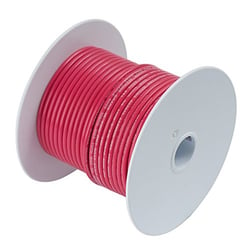
 Representative Photo, actual item may vary

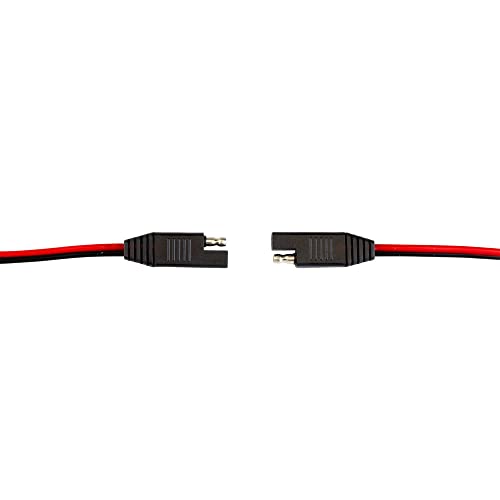 Representative Photo, actual item may vary
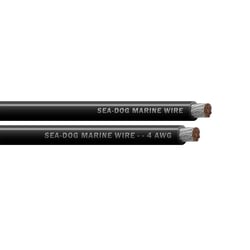
 Representative Photo, actual item may vary
 Representative Photo, actual item may vary
 Representative Photo, actual item may vary
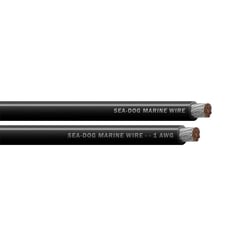
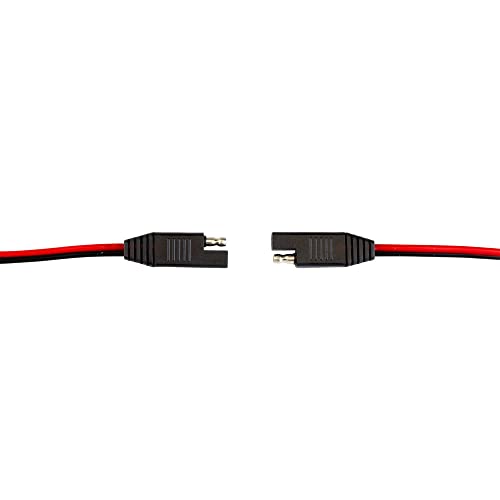 Representative Photo, actual item may vary
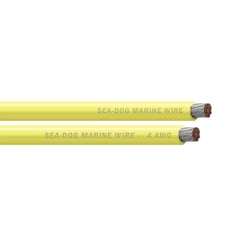
 Representative Photo, actual item may vary
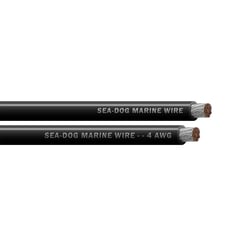
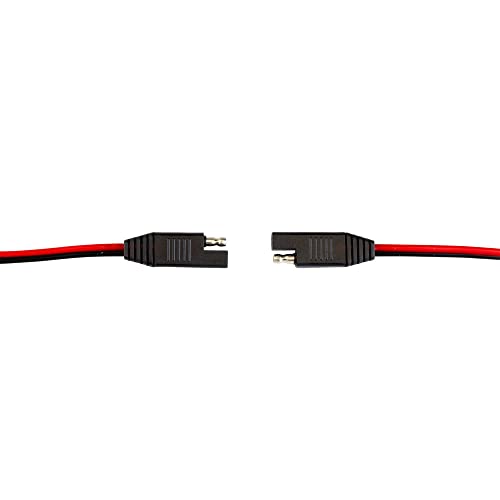 Representative Photo, actual item may vary
What Are Battery Cables and Why Do They Matter?
Battery cables are the heavy-gauge conductors that link your vehicle's battery to the starter motor, alternator, chassis ground, and other key electrical components. They carry some of the highest current loads in any electrical system — everything from the initial burst of amperage needed to crank a cold engine to the continuous draw powering your lights, ignition, and accessories. A failing or corroded battery cable doesn't just cause a slow start; it can trigger erratic electrical behavior, false fault codes, and total no-start conditions. Replacing a worn cable is one of the most cost-effective maintenance tasks you can perform.
Positive vs. Negative Cables: Understanding the Difference
Every battery has two cables: a positive (red) cable that routes power from the battery to the starter and fuse box, and a negative (black) cable that grounds the battery to the chassis and engine block. Both are equally important. A weak ground cable is a frequent and often overlooked cause of voltage drops, dim lighting, and charging system problems. When replacing one, it's good practice to inspect — and often replace — both at the same time.
What to Look For When Shopping Battery Cables
- Gauge (AWG): Heavier-duty engines require thicker cable to handle higher amperage without excessive resistance or heat buildup. Common gauges range from 4 AWG for smaller vehicles to 1/0 AWG for diesel trucks and marine applications.
- Length: Cables must reach their termination points with enough slack to avoid tension, but not so much that they create routing problems or vibration rub points.
- Terminal type: OE-style terminals ensure a secure, corrosion-free connection. Look for soldered or crimped lug terminals for marine and high-vibration applications.
- Jacket material: High-quality synthetic rubber or PVC jackets resist heat, oil, and moisture — critical in engine bay environments where temperatures fluctuate dramatically.
- Vehicle-specific vs. universal: Pre-molded, vehicle-specific cables ensure correct routing and terminal placement, while universal cables can be trimmed and terminated for custom applications.
Top Battery Cable Brands
Standard Motor Products (SMP) is one of the most trusted names in the automotive aftermarket. Established in 1919, SMP has built a century-long reputation as an independent manufacturer serving the automotive aftermarket, heavy duty, and OE markets. Their battery cables feature tough synthetic rubber jackets designed to resist heat, oil, and corrosive elements, and are built to meet or exceed strict OE quality requirements.
Genuine parts represent factory-original components sourced directly from vehicle manufacturers. When exact OE fitment and materials are non-negotiable — particularly for late-model vehicles under warranty or precision builds — Genuine battery cables deliver the closest possible match to what came off the assembly line.
For boaters and marine technicians, Sierra is a go-to source for dependable marine-grade battery cables. Sierra's cables feature soldered lug terminals on each end to accept a 3/8" stud, and are available in multiple gauges and lengths with red or black PVC jackets — purpose-built for the harsh, moisture-rich environment aboard a boat.
When to Replace Your Battery Cables
Inspect your battery cables any time you service the battery, notice slow cranking, or see visible corrosion at the terminals. Green or white powdery buildup at the terminal connection point is a sign of corrosion working its way into the cable strands. Cracks, fraying, or stiffness in the insulation jacket are clear indicators that replacement is overdue. Proactive replacement with a quality cable can prevent an unexpected no-start and protect sensitive electronics from voltage irregularities.