



Mounted Tire & Wheel Assemblies
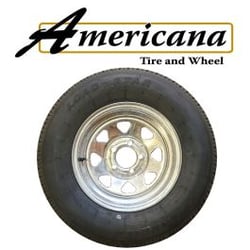
Loadstar Tires 32067 ST205/75R14 Radial Trailer Tire and Galvanized Rim Assembly

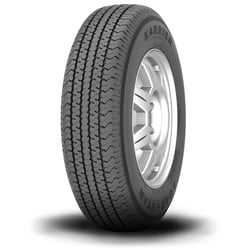
Loadstar Tires 32424 ST205/75R15 KR03 Radial Trailer Tire and Wheel Assembly Load Range D 5-Hole Black Modular
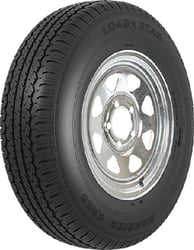
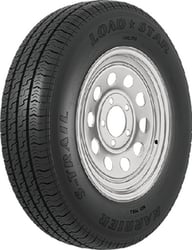
Loadstar Tires 31201 ST145/R12 Radial Trailer Tire and Wheel Assembly 8-Ply 5-Hole Silver Modular
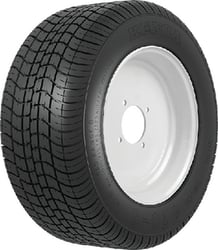
Loadstar Tires 3H430 Bias Trailer Tire and Wheel Assembly 205/65-10 Load Range D 5-Hole White
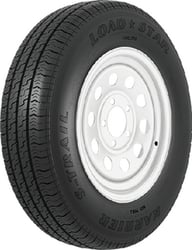
Loadstar Tires 31212 ST145/R12 Bias Tire and Wheel Assembly 5-Lug 8-Ply White Modular
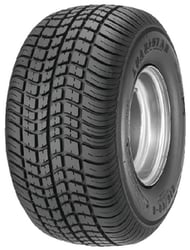

Americana Tire & Wheel 3H480 10" White Steel Wheel Rim with ST205/65-10 Bias Trailer Tire

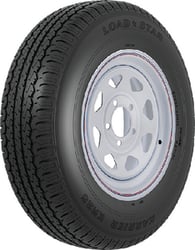
Loadstar Tires 32202 Radial Tire and Wheel Assembly ST215/75R-14 5 Lug C Load Range White Spoke
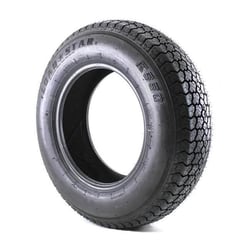
Loadstar Tires 3S040 ST175/80D13 Bias Trailer Tire with 13" Spoked Wheel - 4 on 4 - Load Range B
Loadstar Tires 3S030 ST175/80D13 Bias Ply Trailer Tire and Wheel Assembly Load Range B
 Representative Photo, actual item may vary
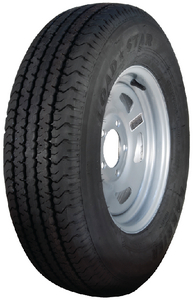 Representative Photo, actual item may vary
 Representative Photo, actual item may vary
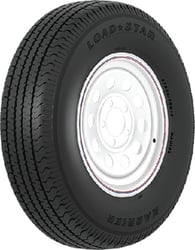
Loadstar Tires 32406 ST205/75R15 Tire and Wheel Assembly 5 Lug White Modular Rim
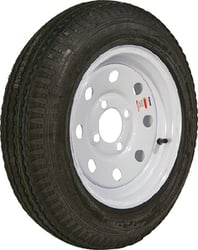
Loadstar Tires 30791 Bias Tire and Wheel Assembly 530-12 K353 6-Ply 4-Hole White Modular
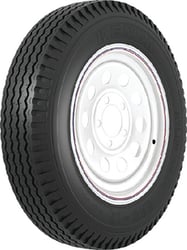
Loadstar Tires 30831 K353 Bias Tire and Wheel Assembly 530-12 5 Lug 6 Ply White with Stripe
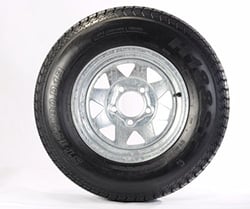
Americana Tire & Wheel 3S160 ST175/80D13 Trailer Tire & Wheel Assembly Galvanized 5 Lug
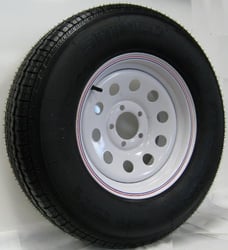
Americana Tire & Wheel 30831 5.30-12 Bias Trailer Tire Mounted on 12" Mod Stripe Wheel
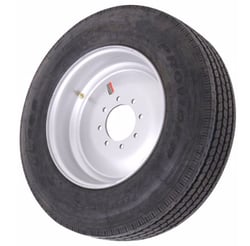
Taskmaster A215H/8H19BV ST215/75R17.5 Provider Radial Trailer Tire and Wheel Assembly 8 on 6.5

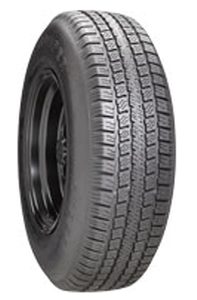 Representative Photo, actual item may vary
Taskmaster ADB225R645SMEM Diamondback ST225/75R15 Trailer Tire and Wheel Assembly
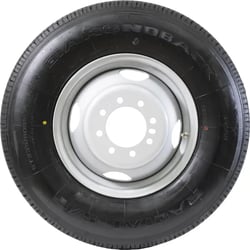
Taskmaster ADB16R477HDM ST235/80R16 Diamondback Radial Trailer Tire & Wheel Assembly
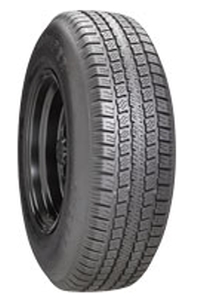 Representative Photo, actual item may vary
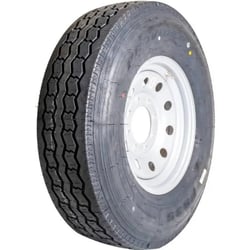
Taskmaster A16RGSMMHD44 Provider ST235/85R16 Trailer Tire and Wheel Assembly 14-Ply
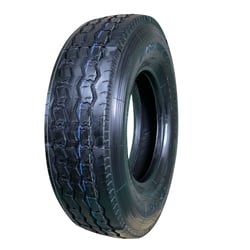
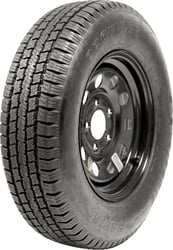
Taskmaster A15R45BMM Provider ST205/75R15 Radial Trailer Tire and Wheel Assembly
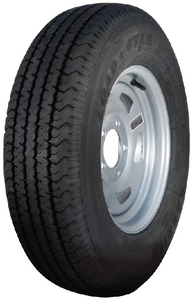 Representative Photo, actual item may vary
Loadstar Tires 32612 ST225/75R15 Trailer Tire and Wheel Assembly 5 Lug Modular Rim Load Range E
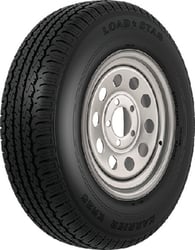
Loadstar Tires 32220 ST205/75R15 Trailer Tire and Wheel Assembly 5-Lug Silver Modular
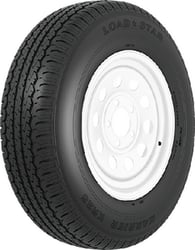
Loadstar Tires 31991 ST185/80R-13 Radial Trailer Tire and Wheel Assembly 5 Lug White Modular
What Are Mounted Tire & Wheel Assemblies?
A mounted tire and wheel assembly is exactly what it sounds like: a trailer tire that has already been professionally mounted onto a matching wheel, inflated, and — in many cases — bead-balanced before it ever reaches your door. For anyone towing a boat to the lake, hauling gear with a utility trailer, or rolling down the highway with an RV in tow, these ready-to-install units eliminate the guesswork of pairing tires to rims and can dramatically cut down on installation time at the trailhead or marina.
Why They Matter for Trailering
Trailer tires operate under fundamentally different stresses than passenger-car tires. They bear static load for long periods, endure high sidewall flex during towing, and are often parked in sun and weather between uses. A mismatched tire-and-wheel combination — wrong bolt pattern, incorrect load range, or incompatible bead diameter — can compromise safety on the road. Pre-mounted assemblies are engineered as a matched set, so the load rating, sizing, and fit are all confirmed before the package ships.
Key factors to evaluate when shopping this category include load range (B through E, with higher letters indicating more ply layers and greater weight capacity), tire construction (bias-ply vs. radial), bolt pattern (must match your trailer hub exactly), and wheel material (galvanized or painted steel for corrosion resistance, aluminum for lighter weight). For marine and RV applications in particular, a hot-dip galvanized or corrosion-resistant wheel finish is worth prioritizing, since exposure to water and salt accelerates rust on uncoated steel.
Top Brands in Mounted Tire & Wheel Assemblies
Loadstar Tires is one of the most recognized names in the trailer tire segment, built on Kenda's decades of engineering expertise. The flagship Loadstar K550 bias-ply tire features a flat tread profile designed to improve towing stability and long tread life, and every tire is tested to meet or exceed U.S. Department of Transportation safety standards.
Americana Tire & Wheel is the North American distribution arm of Kenda, with over 50 years of experience serving the towable trailer, RV, marine, and utility industries. Their pre-mounted assemblies pair Loadstar and Karrier-branded tires with a wide selection of steel and aluminum wheels, many featuring a hot-dip galvanized finish that is especially well-suited to boat trailer use in wet environments.
Taskmaster is a family-owned company founded in 1985 and headquartered in Mount Pleasant, Texas, focused exclusively on the towable trailer market. Taskmaster differentiates itself by applying automotive-grade processes — including tire match-mounting and balancing — specifically to trailer assemblies, targeting a smoother, vibration-free towing experience across product lines like the Provider ST and Strider.
Carlstar brings broad industry experience to the trailer tire segment, offering both bias and radial ST-rated tires in a variety of load ranges suited to utility, RV, and marine trailer applications. Their assemblies are a reliable choice for trailerers seeking a well-established brand with wide fitment coverage.
Hi Run rounds out the category with value-focused tire and wheel assemblies that cover common trailer sizes, making them a practical option for customers who need a straightforward replacement without extensive lead times.
Bias-Ply vs. Radial: Which Should You Choose?
Bias-ply trailer tires feature overlapping rubber plies at 30–45 degree angles, creating stiff, interdependent sidewalls that handle heavy loads and resist sway — an advantage on utility and boat trailers that spend time sitting loaded. Radial trailer tires, by contrast, use steel belts beneath the tread and offer cooler running temperatures and a smoother ride over longer distances, making them popular on RV trailers and high-mileage hauls. Both construction types are well-represented in this category, so matching the tire type to your typical towing pattern is the most important decision you'll make before purchasing.