



Antifouling Paint
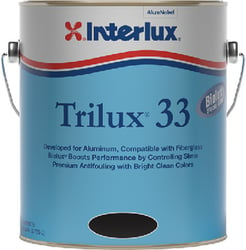

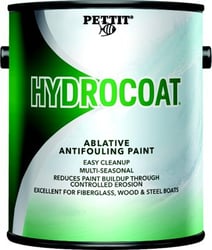

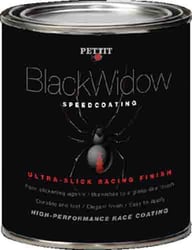
Pettit Paint 1186906 Black Widow 1869G Racing Finish Antifouling Bottom Paint Black Gallon 2-Pack
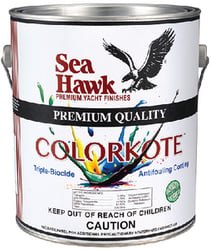
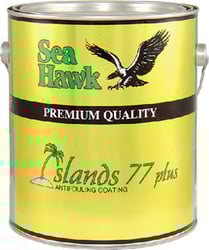
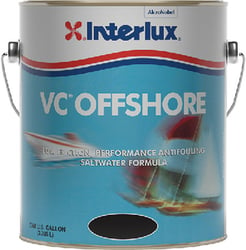
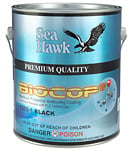
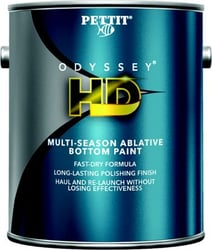
 Representative Photo, actual item may vary
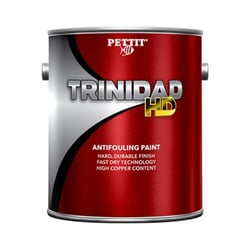
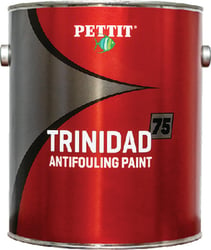
Pettit Paint 1107906FD Trinidad 75 Hard Antifouling Bottom Paint Special Black Gallon
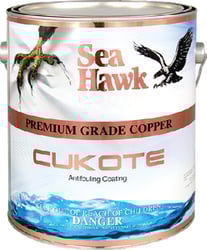
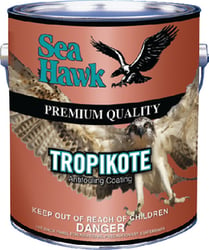
Seahawk Paints 3445QT Cukote Self-Polishing Antifouling Bottom Paint Black Quart
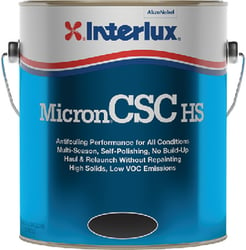
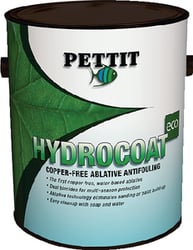
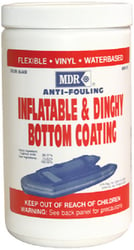
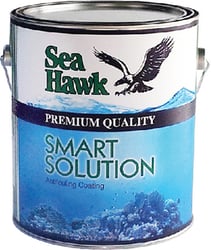
Seahawk Paints 4710/GL Smart Solution Metal-Free Antifouling Bottom Paint White Gallon
Seahawk Paints 4705/QT Smart Solution Metal-Free Antifouling Bottom Paint Black Quart
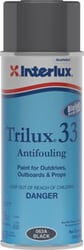
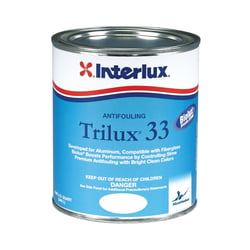
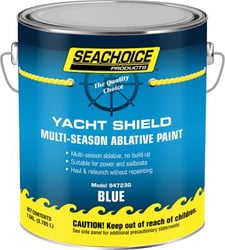
Seachoice YPM169/1 Yacht Shield Multi-Season Ablative Antifouling Paint Blue 1 Gallon

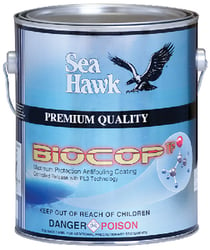
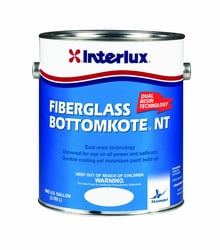
Interlux Paint YBB359/QT Fiberglass Bottomkote NT Antifouling Bottom Paint Green
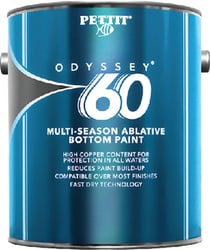
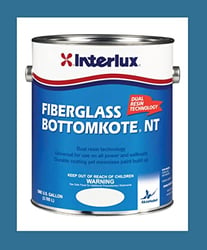
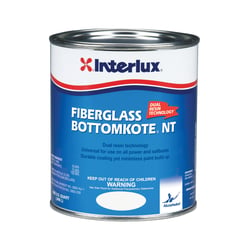
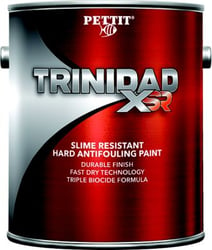
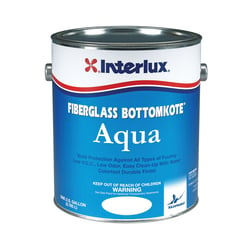
 Representative Photo, actual item may vary
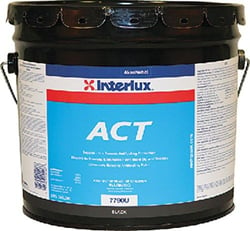
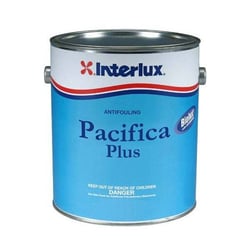
Interlux Paint 5608663 Pacifica Plus Copper-Free Ablative Antifouling Paint Red Gallon
Interlux Paint 5608661 Pacifica Plus Copper-Free Antifouling Bottom Paint Blue Gallon
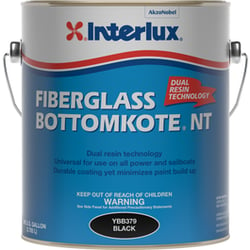
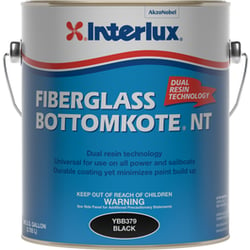
Interlux Paint 5608671 Fiberglass Bottomkote NT Antifouling Paint Green Gallon
 Representative Photo, actual item may vary
 Representative Photo, actual item may vary
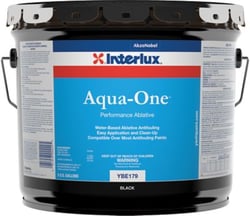
Interlux Paint YBE1793 Aqua-One Water-Based Ablative Antifouling Paint Black 3 Gallon
 Representative Photo, actual item may vary
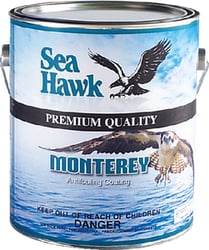
Seahawk Paints 4701/GL Smart Solution Metal-Free Ablative Antifouling Paint Bright Red Gallon
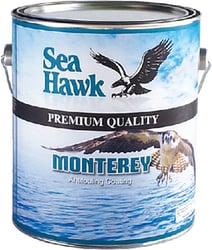
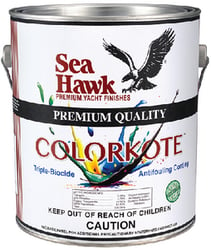
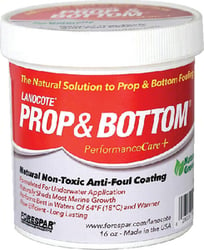
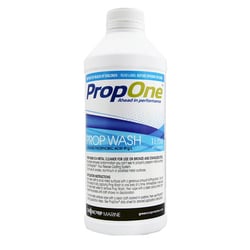
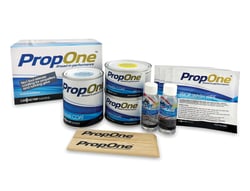
 Representative Photo, actual item may vary
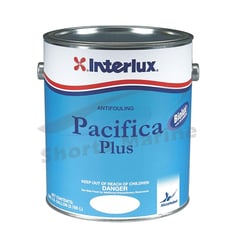
Interlux Paint YBB263/1 Pacifica Plus Copper-Free Ablative Bottom Paint Black 1 Gallon
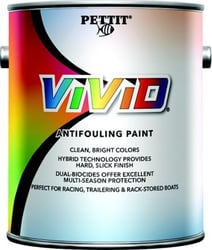
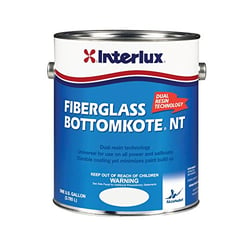
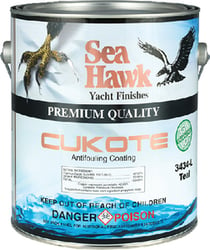
- 1
- 2
What Is Antifouling Paint and Why Does It Matter?
Any boat owner who has hauled their vessel out of the water after a season knows the unwelcome sight of barnacles, algae, zebra mussels, and other marine organisms clinging to the hull. This biological buildup — collectively known as biofouling — is more than an eyesore. It increases drag, reduces fuel efficiency, accelerates hull corrosion, and can cause serious long-term structural damage. Antifouling paint, also called bottom paint, is the primary line of defense against this threat.
Applied to the underwater portion of a boat's hull, antifouling paint works by releasing biocidal compounds that deter or kill organisms before they can take hold. Different formulations are engineered for different environments: hard ablative paints suit high-speed powerboats, while softer ablative (self-polishing) paints are ideal for sailboats and slower vessels that sit in the water for extended periods. Choosing the right type depends on your hull material, the body of water you sail in, how often the boat is used, and local environmental regulations.
Key Considerations When Shopping for Antifouling Paint
- Hull material: Aluminum hulls require copper-free formulas to prevent galvanic corrosion, while fiberglass and wood hulls can typically accept copper-based paints.
- Water type: Freshwater and saltwater environments harbor different fouling organisms, and some paints are specifically optimized for one or the other.
- Ablative vs. hard: Ablative paints wear away gradually, always exposing a fresh biocidal layer, while hard paints build up over seasons and can be scrubbed without losing effectiveness.
- Regulatory compliance: Some regions restrict or ban certain biocides such as tributyltin (TBT). Always verify that the product you choose is legal in your area.
- Application layers: Most antifouling paints require a properly prepared surface and a compatible primer for maximum adhesion and performance.
Top Antifouling Paint Brands
Seahawk Paints has earned a loyal following among both recreational and commercial boaters for its wide range of bottom paint formulations. Seahawk offers solutions tailored to specific hull types and water conditions, making it one of the most versatile choices in the category.
Interlux Paint is one of the most recognized names in marine coatings worldwide, with decades of experience developing antifouling technology. Their product lineup spans everything from easy-application ablative paints for weekend sailors to high-performance hard bottom paints for racing and heavy-use vessels.
Pettit Paint is a long-standing name in American marine finishing, trusted by boaters for generations. Pettit's antifouling paints are known for their reliable protection and broad compatibility with common hull materials.
MDR rounds out the category with targeted marine maintenance products that complement a complete bottom paint regimen, helping boaters keep their hulls in top condition between haul-outs.
Getting the Most from Your Bottom Paint
Proper surface preparation is just as important as the paint itself. Sanding, cleaning, and priming the hull before application ensures strong adhesion and maximizes the product's protective lifespan. Always follow the manufacturer's recoat windows and launch times, and plan your application around your local boating season for best results.